Peacebuilding often receives attention when tensions have already escalated. By then, trust may be weakened, communities may be divided, and grievances may have hardened into conflict. Mediation and reconciliation remain essential, but sustainable peace requires something earlier: relationships and capacities that help communities manage differences before they become crises.
Peacebuilding must begin before peace is under threat:
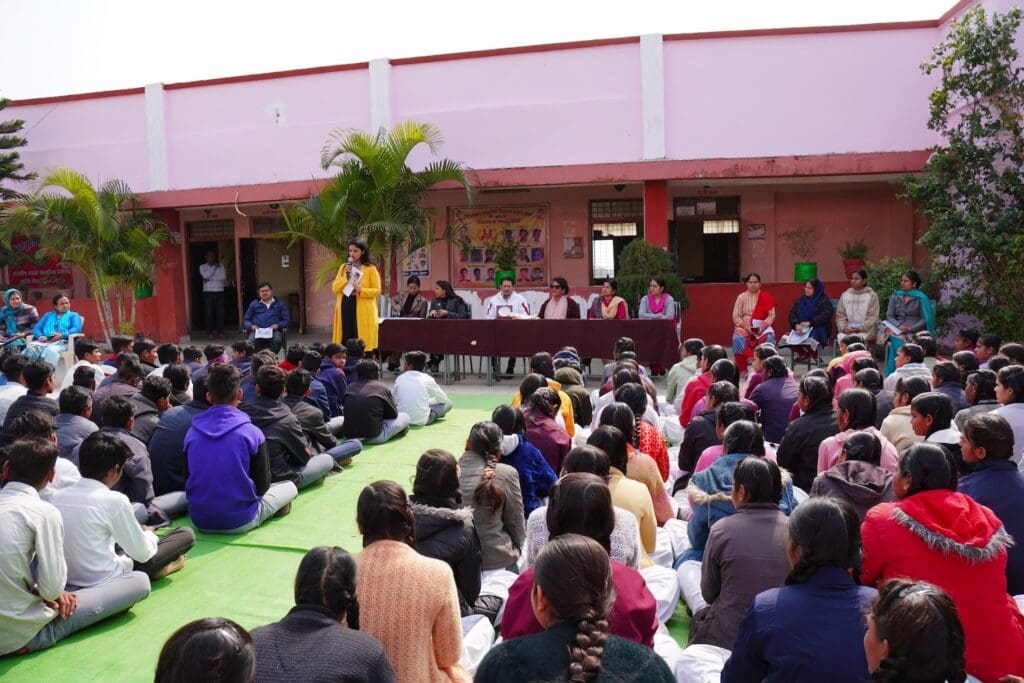
Facilitators and students during an engaging PeaceHub session.
This principle is central to the Global Peace Foundation’s (GPF) approach. GPF works with community members, faith leaders, educators, young people, families and local authorities to build trust, strengthen social cohesion and develop community capacity to address sources of conflict. Its community-driven peacebuilding model starts with dialogue and shared values, helping diverse stakeholders build relationships before they are tested by crisis. That preventive work matters because trust cannot be manufactured in an emergency.
When people have already worked together, listened to one another, and developed a sense of shared responsibility, they have a stronger foundation for navigating disagreement. GPF’s PeaceHub Campaign reflects this approach by bringing community groups together to explore the roots of conflict, develop dialogue skills, and identify practical ways to address problems locally. Communities that complete the program become local resources for peacebuilding and problem-solving. The goal is to build capacity while communities still have the space to build it.
Peace is built through everyday relationships:
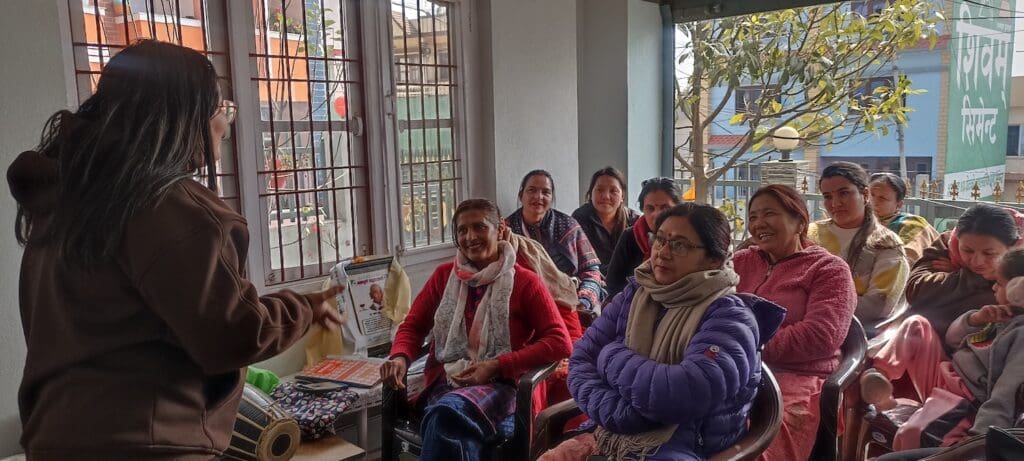
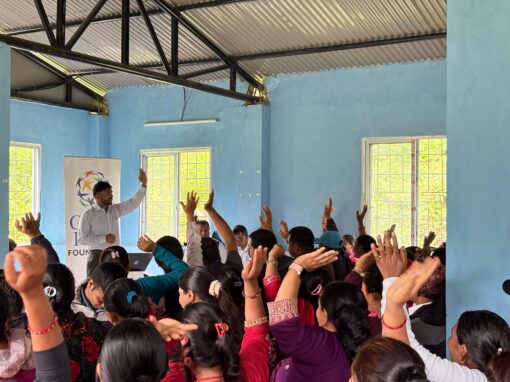
Women in Nepal attend a capacity-building workshop hosted by Global Peace Foundation.
The foundations of peace extend beyond formal peace processes. They are formed in families, schools, faith communities, and neighborhoods through repeated interactions. GPF’s Women and Families in Peacebuilding work starts from the premise that peace begins in the home. Families are where children first learn values, relationships, responsibility, and ways of responding to disagreement. GPF therefore supports women and families as active participants in peacebuilding, recognizing their influence on communities and wider society.
This is prevention at its most fundamental. A child who learns empathy, responsibility, and respect is developing capacities that later shape how they participate in school, work, and community life. A family that learns constructive communication is better equipped to manage disagreement. A community where people regularly cooperate across social or religious differences has more resources to draw upon when tensions emerge. These everyday relationships may never make the news. Yet they form part of the infrastructure that allows peace to hold.
Education can prepare societies for conflict before it arrives: The same principle applies to education. GPF’s Transforming Education initiative places character, relationships, and creative capacity at the center of learning. It aims to help schools cultivate young people who can contribute to peaceful and prosperous societies, while strengthening educators as leaders in that process. This makes education a long-term investment in social resilience. Young people need more than knowledge to navigate a world shaped by polarization, technological disruption, and social division. They need the ability to communicate across differences, work with others, think creatively, take responsibility, and make ethical decisions.
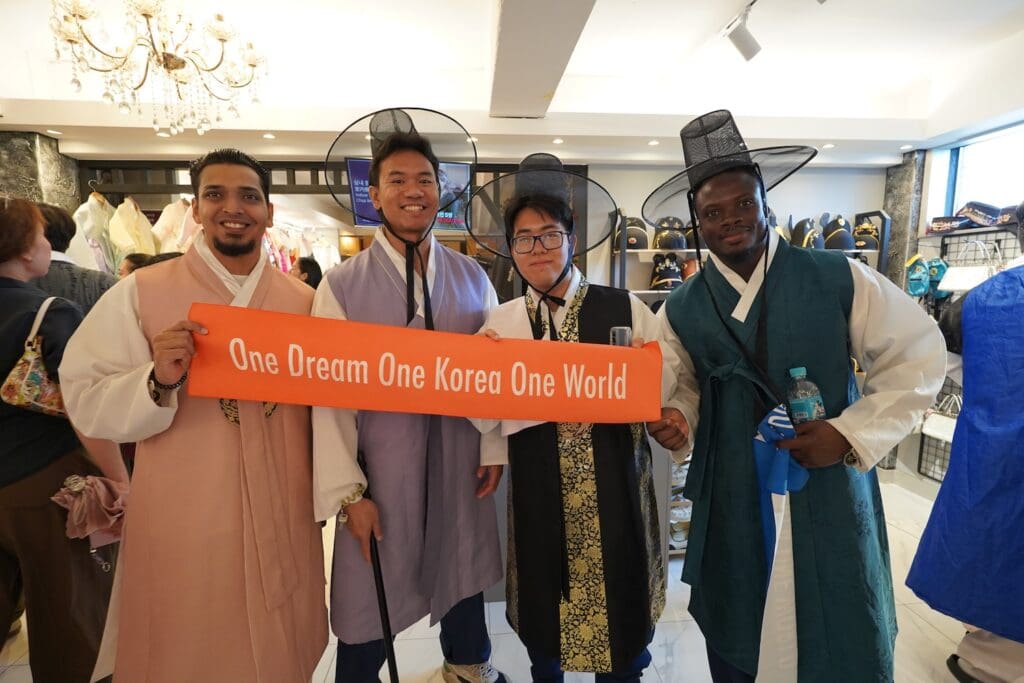
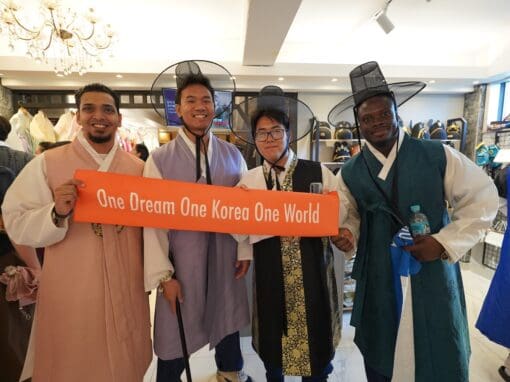
International youth participate in a summer camp hosted by Global Peace Foundation.
GPF’s youth leadership programs take this further by equipping young people with peacebuilding skills and opportunities to lead. Its recent work across countries shows young people putting these values into practice through volunteerism, environmental action, community service, and initiatives that bring people together. When young people participate in solving problems before they become crises, they develop ownership of the communities they are helping to build.
Prevention requires participation:
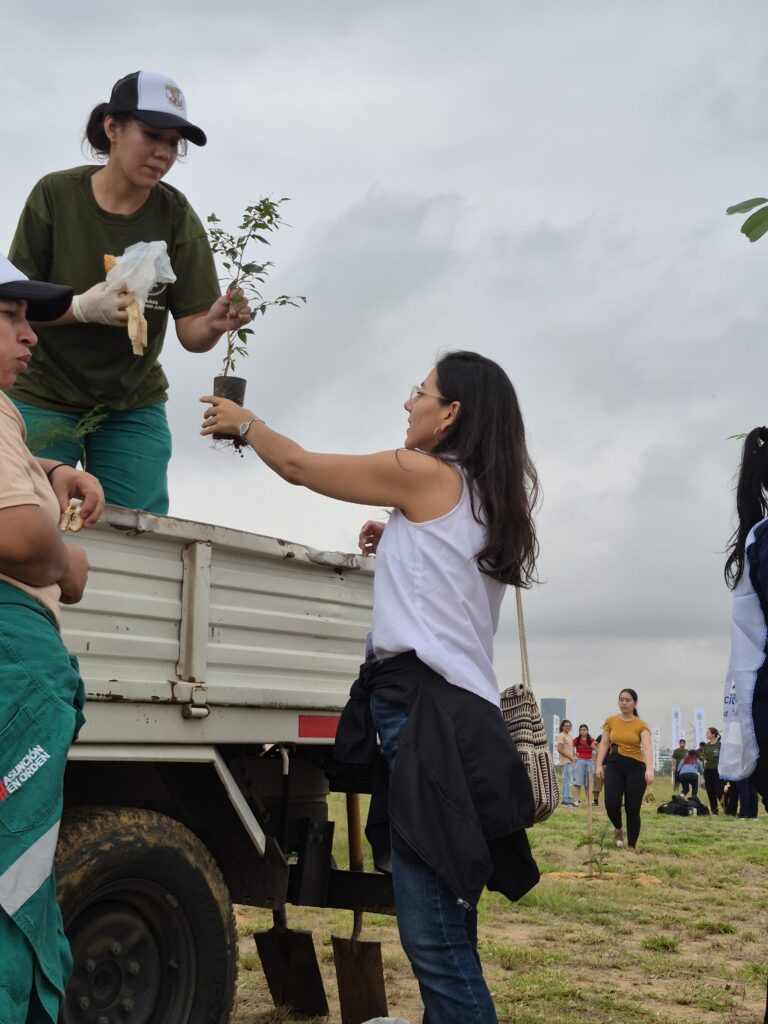
GPF Paraguay plants trees at Plantatón, held at the Linear Park of Asunción’s Costanera Norte
Effective prevention also depends on who gets to participate. GPF’s community-driven approach deliberately brings together stakeholders who may rarely share the same space: community members, faith leaders, local officials, and other local actors. The purpose is to create dialogue, strengthen trust, and develop shared approaches to local challenges.
This matters because communities are often the first to see tensions developing. Local leaders know where relationships are deteriorating. Families understand pressures affecting young people. Teachers see changes in student behaviour. Faith leaders often have influence across social networks. Young people experience emerging frustrations directly.
Peacebuilding that engages these actors before crisis can draw on this knowledge and strengthen local capacity to respond early. GPF’s broader work reflects this interconnected approach. Community-driven peacebuilding, transforming education, women and families, youth leadership, development and service, and community safety all contribute to the same objective: stronger people, stronger relationships, and stronger communities capable of addressing challenges together.
The real investment is in capacity:
The most effective peacebuilding may therefore be the work that prevents communities from reaching the point where violence becomes the only visible outcome of unresolved tensions. That requires investing before the emergency: in trust before mistrust takes hold, dialogue before positions harden, youth leadership before frustration turns into disengagement, and family and community relationships before division becomes entrenched.
Peace agreements can stop fighting. Institutions can establish rules. Mediation can resolve disputes. But lasting peace also depends on whether people have learned how to live, work, and solve problems together. That capacity has to be built long before it is needed.
Peace needs investment before crisis demands it. Peacebuilding begins before crisis, through relationships, shared values, education, service, and leadership that strengthen communities to face differences together. Support peacebuilding that builds this capacity early by helping the Global Peace Foundation build trust, empower local leaders, transform education, strengthen families, and equip young people to become active peacebuilders. Discover GPF’s peacebuilding work and join the effort to build peace before crisis.