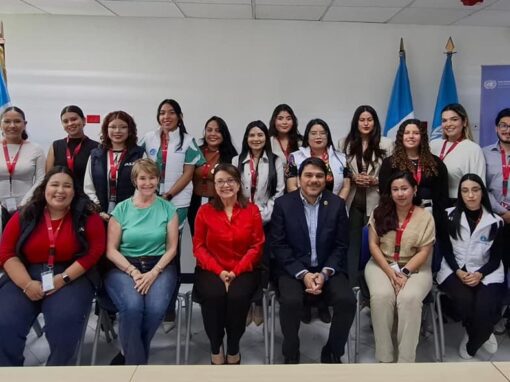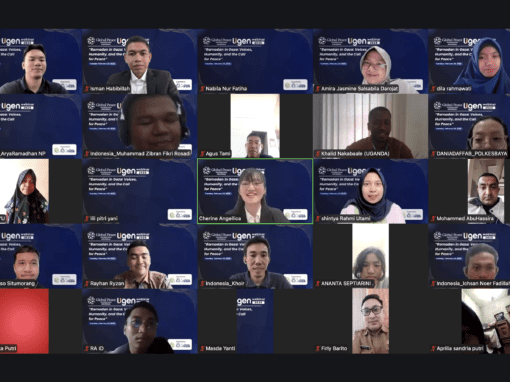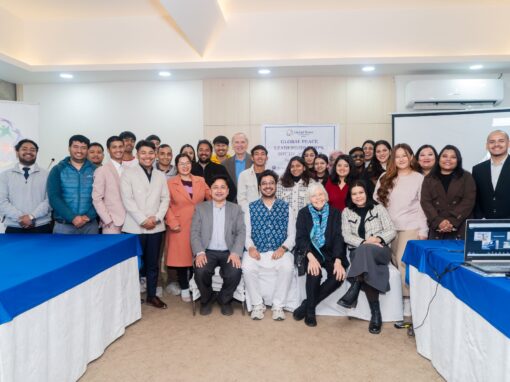
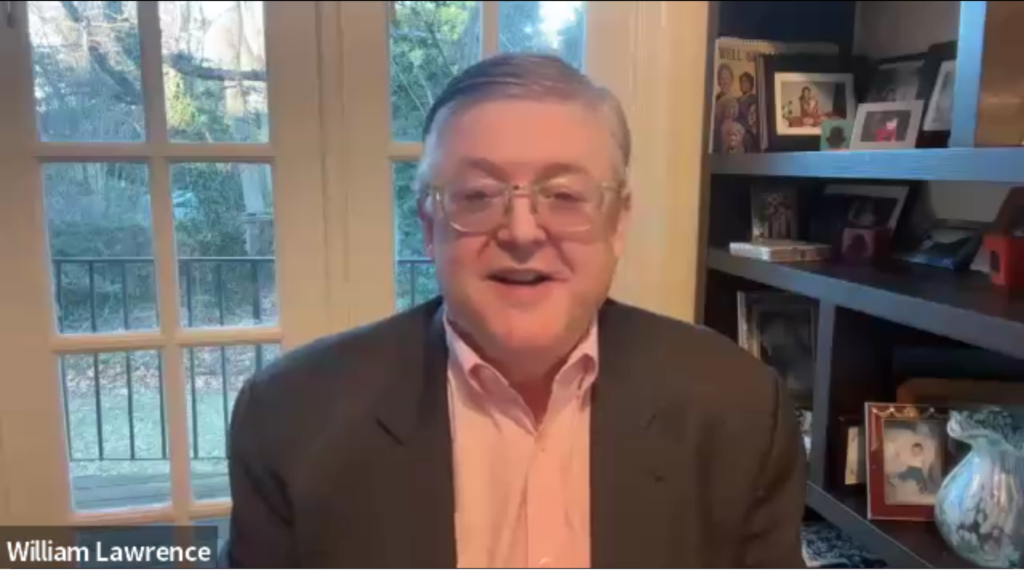
The January Global Network Call featured speaker Dr. William Lawrence
What does it truly take to build lasting peace in a world shaped by conflict, diversity, and rapid change?
This question set the tone for a thought-provoking Global Peace Leadership Corps (GPCorps) Global Network Call that took place in January 2026, where young leaders from across the world gathered to learn from Dr. William Lawrence, a seasoned diplomat with over four decades of experience in international relations, peacebuilding, and cross-cultural engagement. Drawing from his work across government, academia, non-governmental organizations, and the private sector, Dr. Lawrence offered deeply practical insights into the realities of building sustainable peace.
Peace is Built on Trust, Not Fear
At the core of Dr. Lawrence’s message was a simple yet profound principle: sustainable peace is built on trust, not fear. While coercion and force may produce short-term stability, they rarely lead to enduring peace. True peace emerges from mutual understanding, shared benefit, and the pursuit of “win-win” outcomes.
Trust-building, he emphasized, is neither quick nor transactional. It requires time, patience, and genuine human connection. In one striking example from his time as a diplomat in 2006–2007, a stalled negotiation between the United States and Libya was transformed by a simple, personal gesture: a signed university football jersey presented to a Libyan negotiator. That moment of emotional connection broke barriers of distrust and led to agreement, highlighting the human dimension of diplomacy.
The Power of Culture in Peacebuilding
Culture, Dr. Lawrence explained, is not static. It is dynamic, evolving with history, generations, and lived experiences. Misunderstanding culture, or reducing it to rigid categories, often leads to flawed analysis and missed opportunities for connection. From music and film to sports and language, cultural engagement can serve as a powerful bridge between people. Dr. Lawrence shared how his own background in music opened doors in diplomatic spaces, creating unexpected pathways for dialogue and trust.
“After my time in Peace Corps and my graduate studies in international affairs, I worked in music and film, first part-time and then full-time as an Arab music producer, including work on about seven films on Arab world themes. Engaging in music and culture, and having knowledge of music and culture, is a big door opener in international relations. I can’t tell you how often in the Arab world my background in music, my knowledge of music and my engagement in it, has opened doors for me as a diplomat, a professor, an analyst, and a private sector representative,” he said.
He also emphasized the importance of understanding local cultural expressions, art, storytelling, and social practices, as a way of gaining deeper insight into political and social dynamics. These “granular” understandings often reveal the underlying motivations that shape conflict and cooperation.
Rethinking Governance and Democracy
Challenging conventional thinking, Dr. Lawrence argued that there is no such thing as an “ungoverned space.” Wherever people exist, systems of governance, formal or informal, are present. The real issue lies in poor or unaccountable governance. Similarly, democracy should not be viewed as a fixed destination, but as an ongoing process. It cannot simply be taught or imposed; it must be practiced, experienced, and continually refined.
Reflecting on global movements such as the Arab Spring and emerging youth-led protests, he highlighted a growing global demand for inclusivity, accountability, and participation. These movements, though complex, signal a deeper shift in how societies envision leadership and governance.
The Complexity of Change
Dr. Lawrence also addressed a more nuanced reality: the relationship between peace and conflict is not always straightforward. While nonviolent approaches are ideal, many historical transformations have involved a mix of peaceful and violent dynamics. Rather than simplifying these realities, he called for a more honest understanding of how change occurs, one that prioritizes minimizing harm while addressing the root causes of injustice and instability.
Listening as the First Step to Healing
When it comes to rebuilding trust, especially in traumatized communities, Dr. Lawrence’s advice was clear: begin by listening.
Peacebuilding requires creating space for people to share their pain, experiences, and grievances. Without addressing underlying trauma, efforts to rebuild relationships or institutions often fall short. Sharing an example from his diplomatic work in Tunisia, he cited unresolved trauma from past regimes as a hindrance to efforts to improve relations between government and civil society. This highlighted the critical role of truth, reconciliation, and emotional healing in building a culture of peace.
The Transformative Power of Exposure
Another key message was the importance of exposure, seeing the world beyond one’s own context. Travel, engagement, and immersion in different cultures deepen understanding and challenge assumptions. For young leaders, this exposure is not just enriching; it is essential. Understanding others requires stepping into unfamiliar spaces, listening to diverse perspectives, and embracing complexity.
Leading with Values
In his closing reflections, Dr. Lawrence stressed that leadership is ultimately about alignment between values and actions. For youth movements and emerging leaders, maintaining moral and ethical credibility depends not only on what they advocate, but how they live. He encouraged young leaders to practice integrity, accountability, and inclusivity in their daily lives and organizations. By embodying these values locally, they can inspire meaningful change globally.
Dr. Lawrence’s message is both timely and urgent, reflecting the approach of the Global Peace Foundation (GPF), which advances a values-based model of peacebuilding rooted in our shared humanity and the belief in One Family under God. Through initiatives like the Global Peace Leadership Corps, GPF is intentionally cultivating moral and innovative leaders equipped with character, cross-cultural understanding, and a commitment to service.
Learn more about the Global Peace Foundation’s approach to peacebuilding.