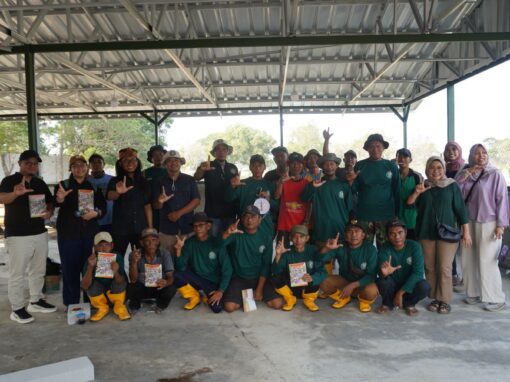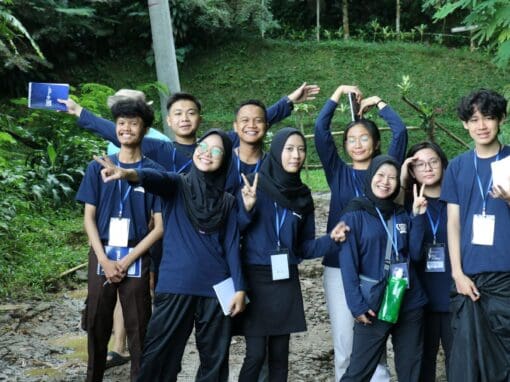
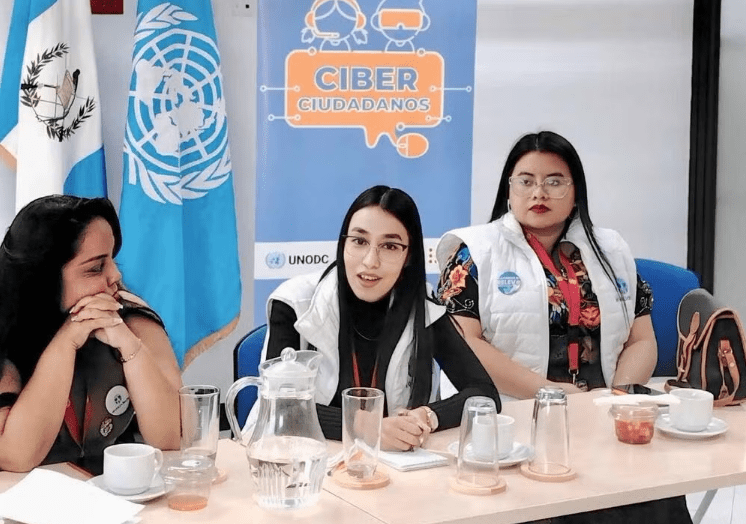
Photos courtesy of UNFPA Guatemala
An initiative supported by UN agencies and regional partners advances youth capacities to counter online violence and promote peaceful digital citizenship.
As digital spaces increasingly shape democratic participation, strengthening youth leadership in these environments has become a strategic priority for building peaceful and resilient societies. In this context, the Global Peace Foundation in Central America, through its partner Fundación Esquipulas, participated in a high-level training workshop led by the Fondo de Población de las Naciones Unidas in Guatemala under the project Cyber Citizens: Youth Building Peace.
The workshop, titled “Digital Citizenship, Prevention of Online Violence and Cybercrime in Democratic Contexts,” brought together emerging youth leaders to strengthen their capacity to navigate and respond to key challenges in digital ecosystems, including disinformation, hate speech, and cyberviolence—issues that increasingly affect democratic integrity worldwide.
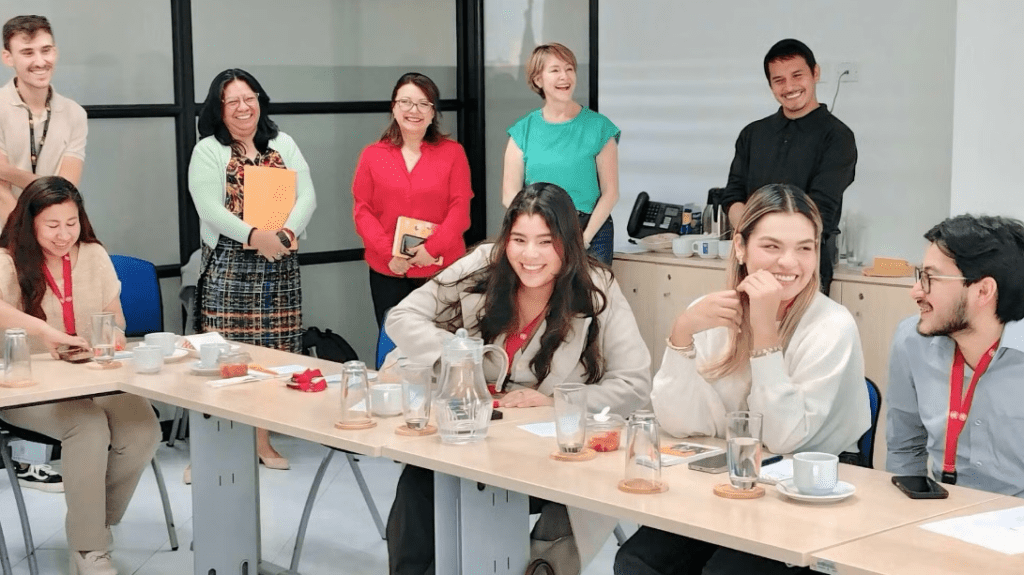
Photos courtesy of UNFPA Guatemala
Participants explored the role of the internet as a civic space, examining how digital platforms can either reinforce or undermine democratic processes. Particular attention was given to the disproportionate impact of online violence on young people, especially young women, and the growing risks associated with digital political violence.
The training emphasized a practical, solutions-oriented approach. Through collaborative exercises, participants identified priority challenges within their digital environments and designed actionable initiatives to prevent online violence, counter disinformation, and promote responsible and informed participation.
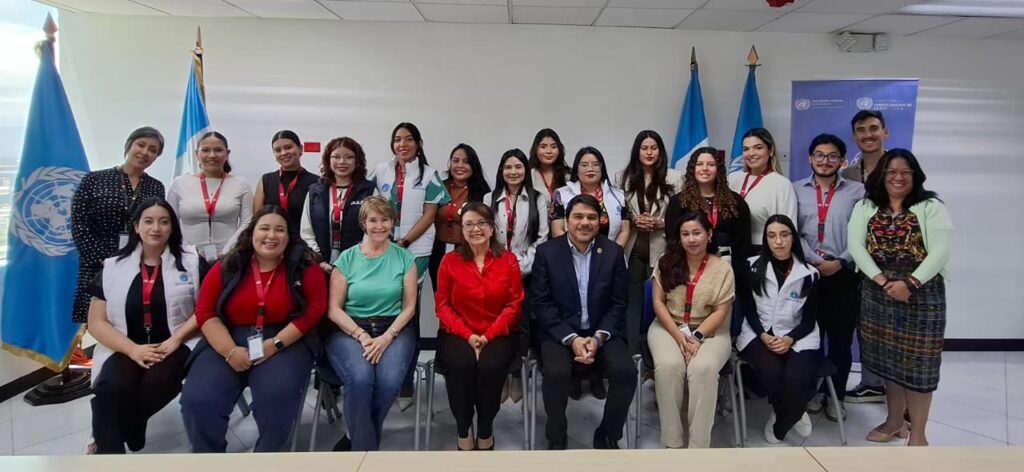
Photos courtesy of UNFPA Guatemala
This initiative reflects a broader strategy aligned with the mission of the Global Peace Foundation to empower youth as agents of peace and transformation. By strengthening digital citizenship, programs like this contribute to building a new generation of leaders capable of engaging constructively in both online and offline democratic spaces.
As democratic systems face increasing pressure from digital threats, initiatives that combine youth leadership, civic education, and peacebuilding are essential. Strengthening digital citizenship is no longer optional—it is a critical pathway to sustaining democratic values and social cohesion in the 21st century. In this way, youth leadership development becomes part of the broader work of building communities rooted in dignity, responsibility, and peace.