Restoring Dung Nikyob Cultural Festival participants
For 15 years, silence lingered over Kaninkon Chiefdom in Southern Kaduna, Nigeria, where the Dung Nikyob cultural festival, once a vibrant expression of identity and unity, had disappeared from community life. Its absence was not voluntary. Beginning in 2011, persistent insecurity and identity-based conflict forced the suspension of the festival, leaving behind more than a gap in celebration. A generation grew up without witnessing the traditions that once brought people together, and in that silence, mistrust and fragmentation quietly took root.
The years that followed were marked by deepening tensions, culminating between 2016 and 2018 in a period of heightened communal conflict involving the Kaninkon and neighboring Dangoma communities. At the height of this crisis, the need for a different approach became clear; one that would go beyond managing conflict to restoring relationships and dignity. It was in this context that Global Peace Foundation (GPF) Nigeria intervened, introducing its One Family Under God framework to guide a community-driven peacebuilding process.
Restoring Dung Nikyob Cultural Festival participants
Rather than relying solely on external mediation, the initiative focused on empowering local actors. Peace and Reconciliation Committees were formed, made of volunteers who understood the nuances of their community and were committed to rebuilding trust from within. These committees became a constant presence, facilitating dialogue, addressing grievances, and supporting trauma healing. Over time, what began as a fragile ceasefire evolved into a more stable and cooperative coexistence, sustained not by relationships.
Yet even as peace gradually took hold, the community recognized that something essential was still missing. The absence of the Dung Nikyob festival continued to symbolize a deeper loss; the erosion of cultural identity and shared heritage. Traditionally observed within a 25-year ritual cycle, the festival was not due to return for years. But waiting, the community realized, was no longer an option. Restoring the festival became a deliberate step toward consolidating peace and reaffirming who they were.
Restoring Dung Nikyob Cultural Festival participants
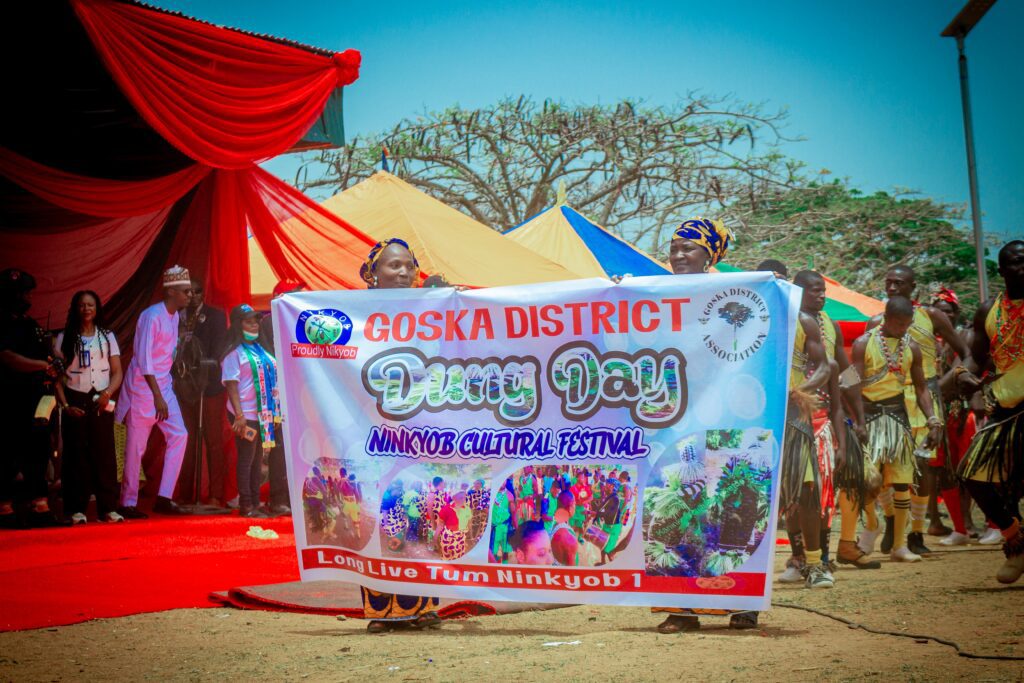
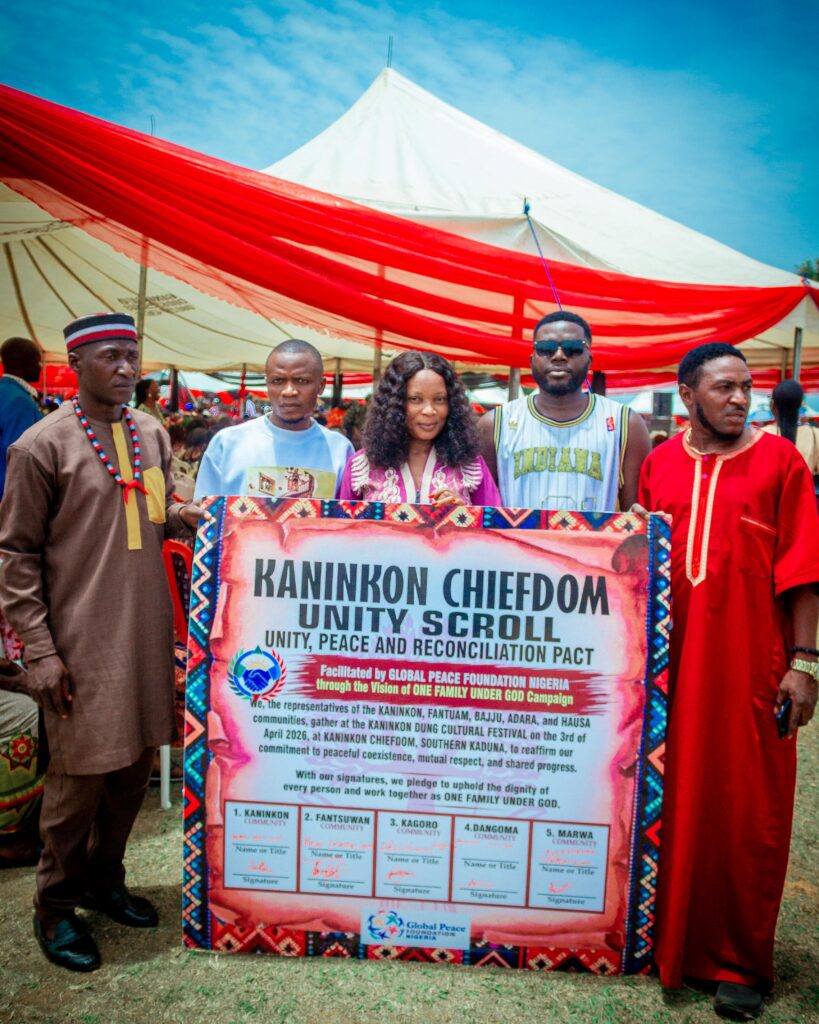
On April 3, 2026, that decision came to life. At Unguwan Fari, the Dung Nikyob festival was revived in a gathering that brought together political leaders, traditional authorities, and community members in a powerful display of unity. The presence of figures such as Senator Emmanuel La’Farma and Senator Sunday Marshal Katung, alongside district heads and traditional leaders from different religious backgrounds, signaled a shared commitment to peace and cultural renewal. Their participation strengthened the idea that safeguarding heritage and fostering stability are deeply interconnected.
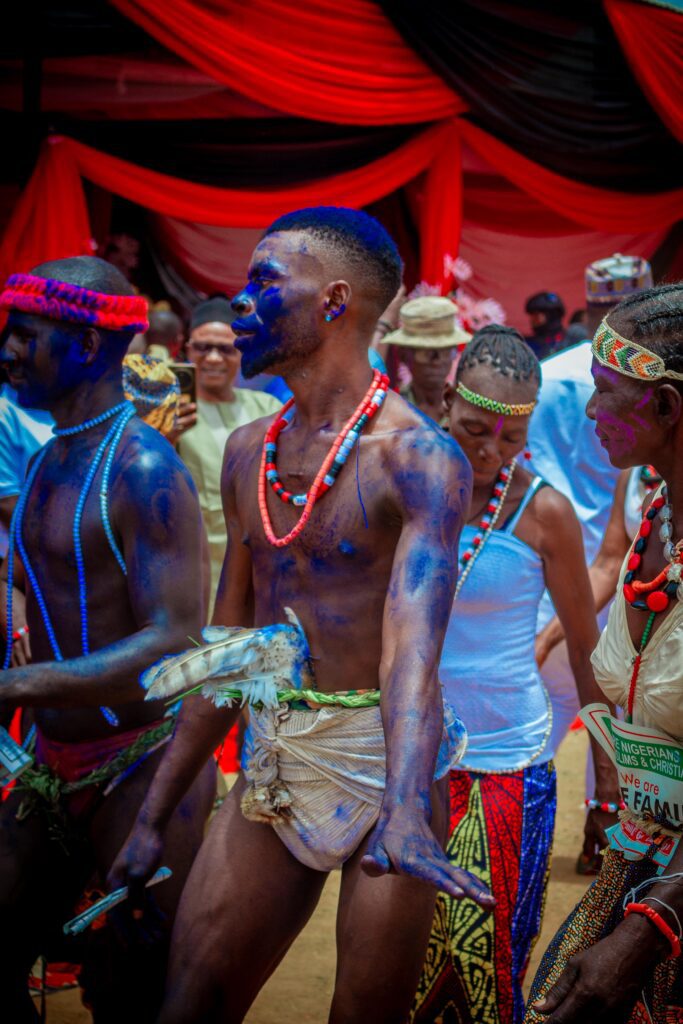
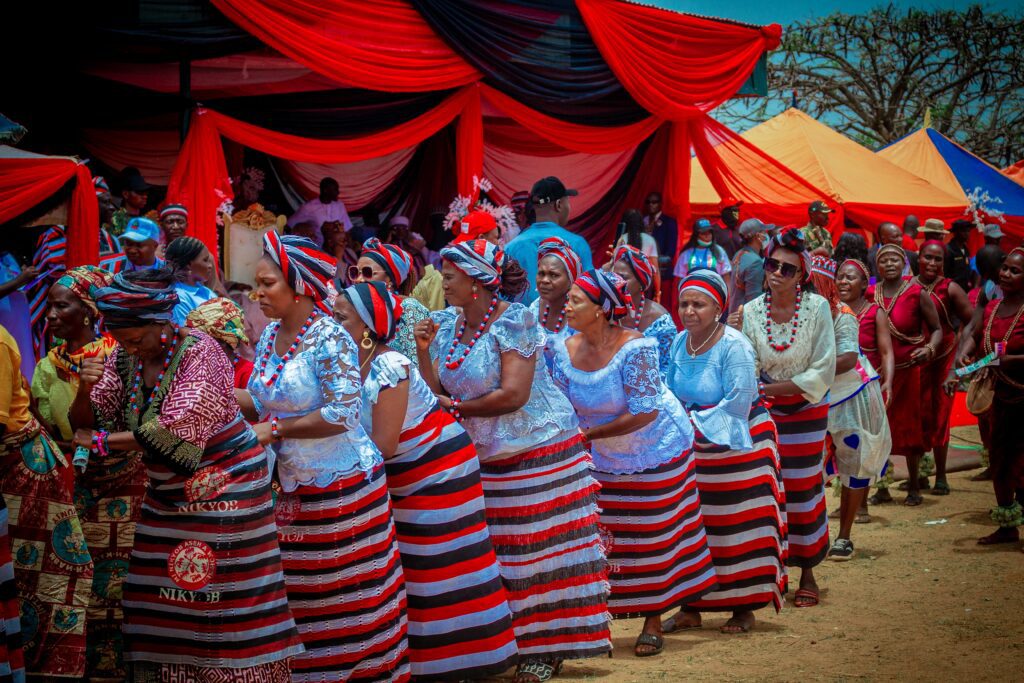
What unfolded that day was more than a return to tradition. Cultural groups from neighboring communities joined the celebration, transforming the festival into a broader expression of inter-ethnic solidarity. The revival of the Dung Nikyob cultural festival became a symbol not only of Kaninkon’s resilience but also of the possibility of reconciliation across divides. It sent a clear message that the community was no longer defined by conflict, but by its capacity to come together and move forward.
The resurgence of the festival stands as a powerful example of what sustained, community-driven peacebuilding can achieve. It reflects a shift from temporary solutions to lasting transformation, where peace is embedded in everyday interactions and reinforced through shared cultural experiences. By bridging the years between conflict and celebration, the people of Kaninkon demonstrated that rebuilding trust requires both patience and bold action.
Restoring Dung Nikyob Cultural Festival participants
Today, as the drums of Dung Nikyob sound once again, they carry rhythm and echo a renewed sense of identity, a strengthened social fabric, and a collective commitment to co-existence. The Peace and Reconciliation Committees continue their work, ensuring that the progress made is not undone and that dialogue remains an integral part of community life.
To explore more about how Global Peace Foundation supports communities like Kaninkon in building sustainable, locally led peace, visit: GPF’s work in Community-driven Peacebuilding