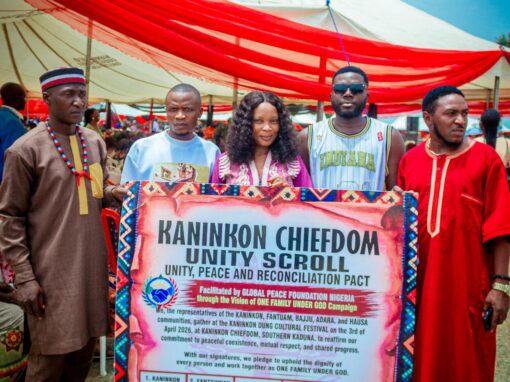
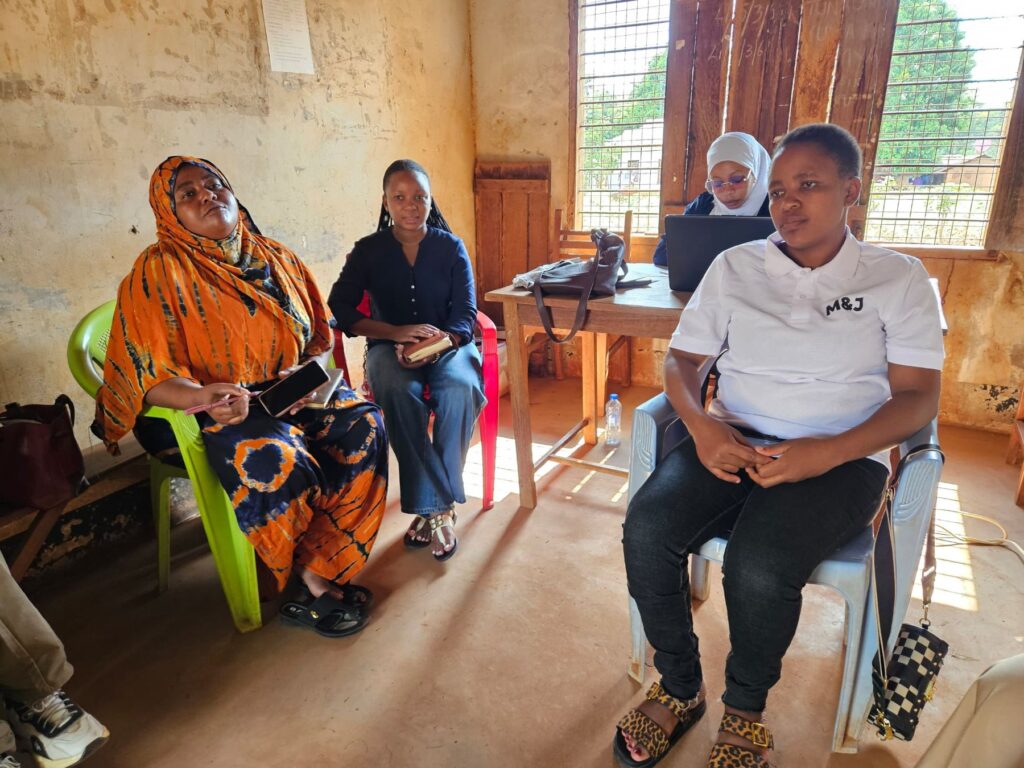
Participants of the EKN Project monitoring visit
In January 2026, Global Peace Foundation (GPF) Tanzania implemented and monitored a range of peacebuilding initiatives across southern Tanzania, including community engagement on conflict prevention and gender-based violence prevention, strengthening of local peace structures, and youth dialogue on ethical participation during the national election period. Monitoring findings showed increased knowledge of nonviolent conflict resolution, stronger collaboration between communities and local leaders, and growing participation of women and youth in peace and development processes.
Among these efforts, the community peacebuilding initiative under the EKN Project in Nachingwea District stands out for the clear transformation it has catalyzed. The project focused on strengthening community policing through sensitization, structured reporting mechanisms, and improved communication between citizens and law enforcement. At the outset, many community members viewed security as solely the responsibility of the police. Fear, lack of information, and distrust in the police force discouraged reporting. Crimes and disputes were often handled privately, and silence was common even when incidents affected the wider community.
The intervention deliberately addressed this gap by improving both awareness and communication channels. Community policing sensitization sessions clarified the concept of shared responsibility for safety. Residents learned that cooperation with police is not only a right but also a civic duty that strengthens collective security. This shift in understanding laid the foundation for behavioral change.
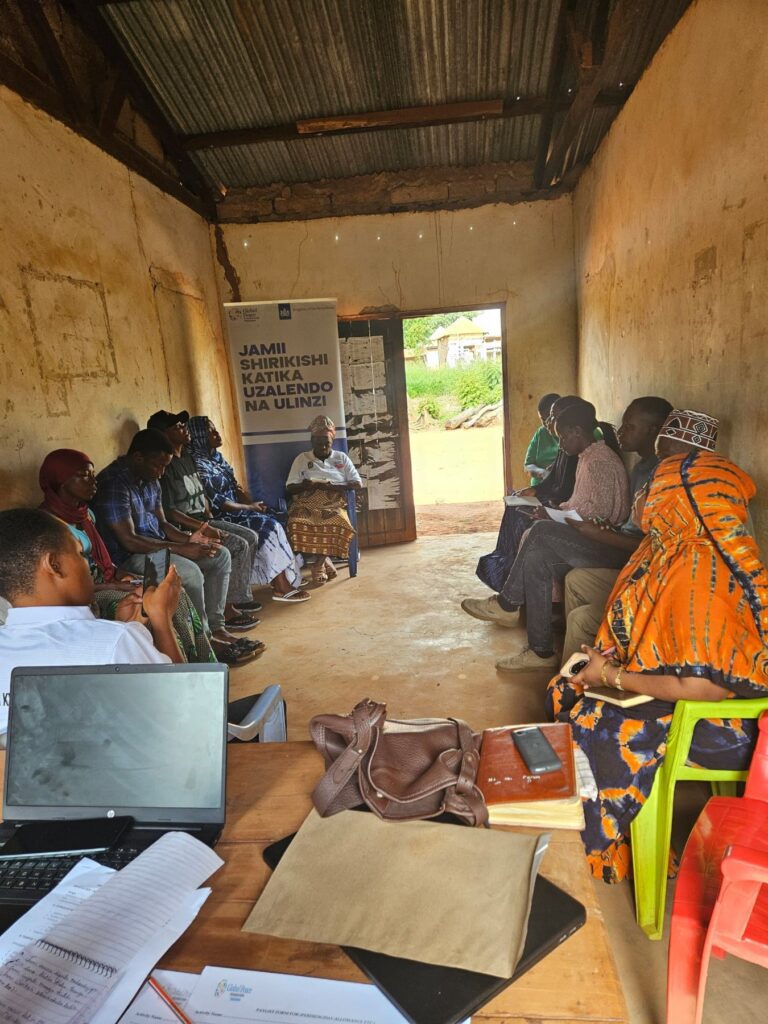
Participants of the EKN Project monitoring visit
A key driver of this transformation has been the strategic use of radio. Community policing radio programs created a consistent and accessible platform for public education. Through interactive call-in segments, listeners asked questions, shared experiences, and discussed how community policing addresses crime, family disputes, and local security concerns. Radio dramas portraying dialogue between citizens and police officers reflected everyday realities and modeled constructive engagement. These programs demystified reporting procedures, explained citizens’ rights, and reduced fear associated with interacting with security authorities.
This improved communication has tangible outcomes. Community members report greater confidence in reporting incidents and seeking guidance from authorities. Rather than viewing police as distant enforcers, residents increasingly see them as partners.
Radio has functioned both as an information tool and as a trust-building mechanism, reinforcing transparency and accountability in public safety processes.
Mobile phone communication has further strengthened collaboration and improved information flow. The use of direct calls and WhatsApp groups connecting community mobilizers, ward leaders, and police has accelerated incident reporting and response. Information that once moved slowly or not at all now reaches decision-makers in real time. Leaders receive structured daily reports from streets and villages, enabling coordinated follow-up. Youth and women’s groups are mobilized quickly when community action is needed.
This enhanced connectivity has had practical outcomes. Incidents are reported more promptly. Police response is faster. Leaders perform their duties more effectively due to timely and accurate information. Most significantly, community members describe a shift in mindset: they no longer distance themselves from criminal situations but instead see themselves as protectors of one another. Shared responsibility for safety is becoming embedded in community norms.
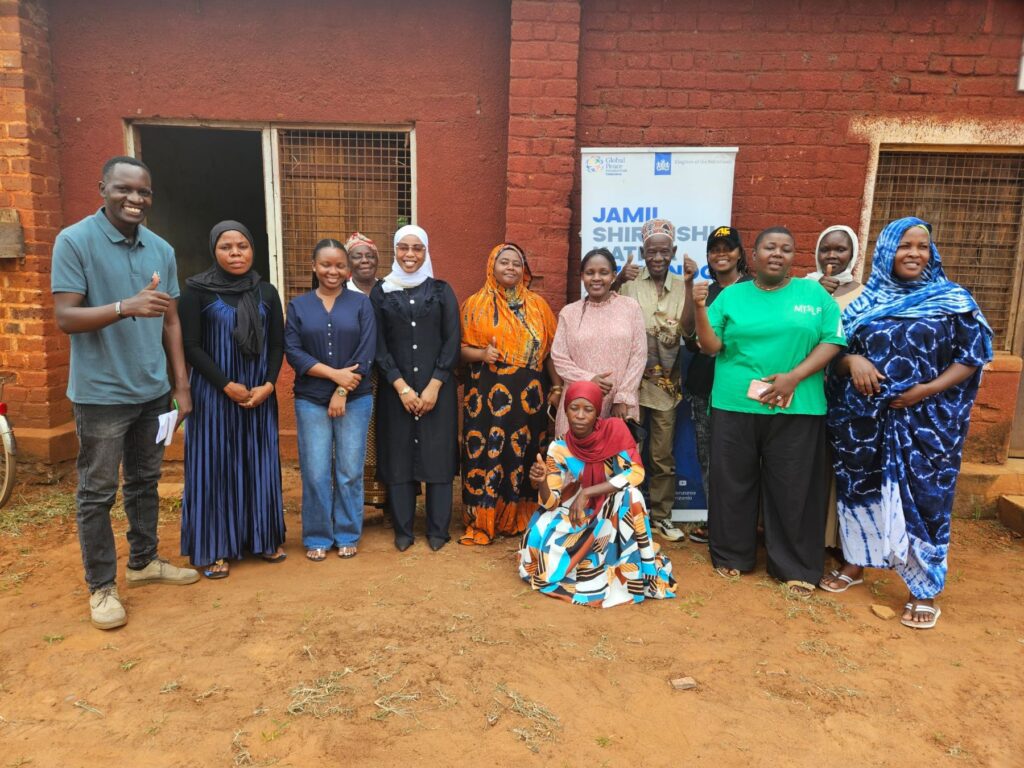
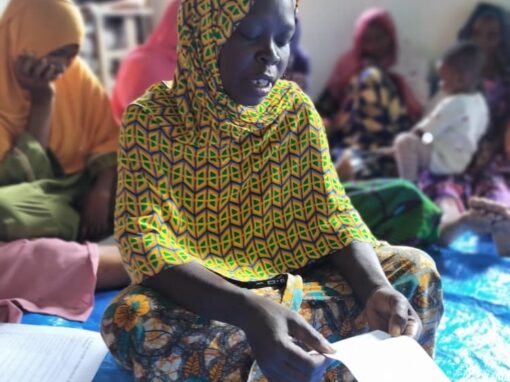
Participants of the EKN Project monitoring visit
The EKN Project demonstrates that technology does not replace human relationships in peacebuilding. Instead, when used strategically and locally, it strengthens those relationships. Radio programs create shared spaces for dialogue and learning. Mobile phones enable coordination and accountability. Together, these tools support openness, participation, and collective action.
This transformation reflects the broader community-driven peacebuilding approach advanced by the Global Peace Foundation. This approach centers on empowering local actors, strengthening trust between citizens and institutions, and fostering shared values that sustain peace. In Nachingwea District, the integration of grassroots engagement with accessible communication technologies has strengthened teamwork, improved information flow, and built confidence between communities and law enforcement. The result is a more resilient local security ecosystem where peace is understood as a responsibility shared by all.
Learn more about Global Peace Foundation peacebuilding initiatives in Tanzania.