Dialogue can bring people together. Its value, however, depends on what follows. A conference can bring presidents, policymakers, faith leaders, young people, and civil society representatives into the same room, but lasting peacebuilding requires those relationships to continue beyond the event.
Across the Global Peace Foundation’s (GPF) convenings, dialogue has been used to build networks, identify shared priorities, and create opportunities for collaboration. The Latin American Presidential Mission, Indo-Pacific Peace Forum, International Forum on One Korea, and Ubuntu initiatives demonstrate different ways that convening can connect discussion with practical action.
From the Meeting Room to Shared Purpose
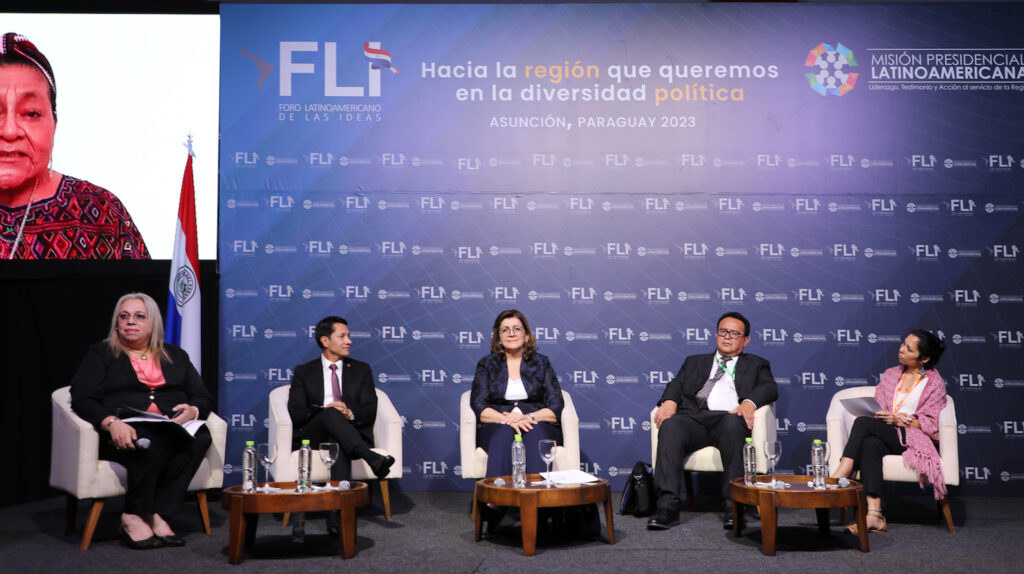
International experts discussed the challenges of peace, education, and culture in Latin America.
Peacebuilding often brings together people with different forms of influence. Political leaders have institutional experience. Faith leaders have community trust. Young people bring new perspectives and networks. Civil society organizations often have direct experience with local challenges.
A well-designed convening can connect these strengths around shared priorities. The 2023 Latin American Forum of Ideas in Paraguay brought former presidents and national leaders together to discuss democracy, prosperity, regional cooperation, and peace. The forum demonstrated how dialogue among experienced political leaders can create space for continued engagement around regional challenges. The important point is not simply that influential people were brought together. It is that the convening created a platform where different experiences and perspectives could inform a common discussion.
Collaboration Starts with Common Ground
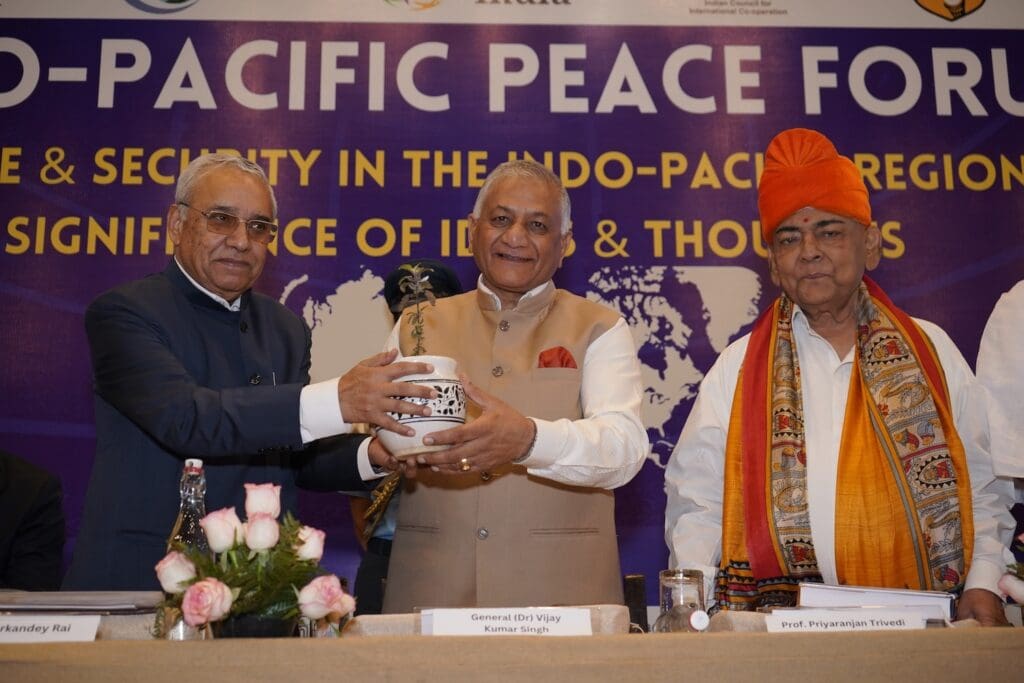
Dr. Markandey Rai (left) presents gifts to speakers at the Indo-Pacific Peace Forum 2025.
Dialogue becomes more useful when participants can identify an area where they can work together despite their differences. The Indo-Pacific illustrates this approach. The region brings together diverse political systems, cultures, and strategic interests. Complete agreement is unlikely, but cooperation can begin around specific challenges. At the 2025 Indo-Pacific Peace Forum, more than 250 experts, diplomats, policymakers, social workers, and youth leaders examined regional peace and security through diplomacy, development, and cooperation. A 2024 GPF India Forum similarly brought together leaders, diplomats, scholars and defense experts to explore approaches to peace and security in the region.
These forums show why dialogue does not need to eliminate differences before collaboration can begin. Participants can disagree on wider political questions while identifying specific areas of shared interest, from youth and women’s leadership to environmental cooperation and regional security.
Connecting Policy with People

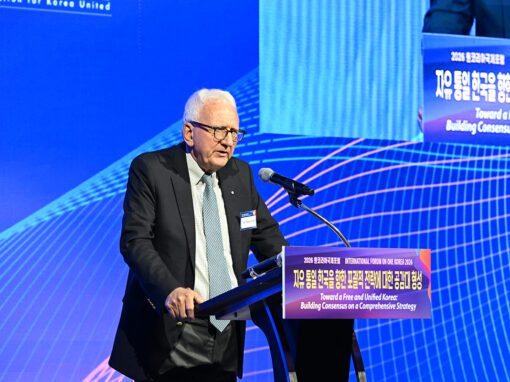
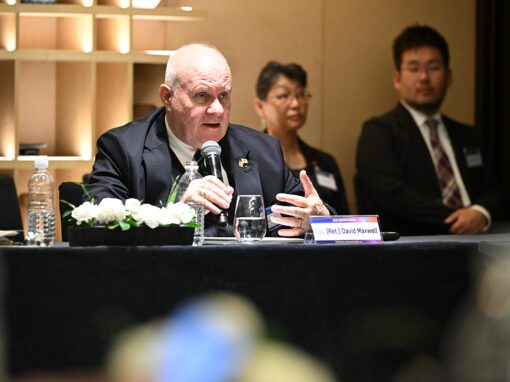
International Forum on One Korea
Peacebuilding also requires connections between policy discussions and communities.
The International Forum on One Korea provides an example. GPF’s One Korea forums bring together policymakers, scholars, civil society leaders, North Korean escapees, young people, and diaspora communities around questions concerning the future of the Korean Peninsula. The 2024 International Forum on One Korea brought together participants from more than 30 countries and connected policy discussions with wider civil society engagement. The 2025 Forum expanded discussions to areas including environmental cooperation, peace initiatives, youth leadership and diaspora engagement. More recently, the 2026 Capitol Policy Forum brought policymakers, experts, civil society leaders and North Korean escapees together to examine a freedom-centered approach to Korean unification.
These engagements connect different levels of peacebuilding. Policy ideas can inform institutions, while civil society and community actors can translate those ideas into advocacy, education and public engagement.
From Ubuntu Dialogue to Networks
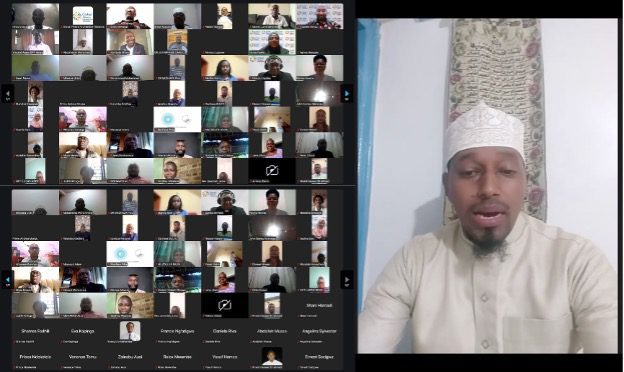
Participants of the Regional Interfaith Dialogue on Preventing and Countering Violent Extremism (PVE)
The GPF Ubuntu initiatives offer a further example of dialogue developing into continued cooperation. Ubuntu provides a framework for discussing human dignity, responsibility and community. GPF’s 2026 Ubuntu Africa Interfaith Virtual Summit brought together more than 430 participants from 56 countries, including faith leaders, traditional authorities, policymakers, youth and civil society representatives. The emphasis was on applying shared values through ethical leadership, interfaith cooperation and community action.
This was reinforced by a Regional Interfaith Dialogue in East Africa, which resulted in the launch of a regional faith-based network. Participants committed to sharing good practices, coordinating community initiatives and developing local peacebuilding leadership.
Here, dialogue produced something that could continue after the meeting: a network with areas of cooperation and shared responsibilities.
What Makes Dialogue Lead to Action?
Across these examples, several elements stand out.
- A shared objective: Participants need a clear issue around which they can work together.
- Specific areas of cooperation: Broad commitments to peace need to lead to practical priorities.
- Relationships that continue: Networks, partnerships and follow-up engagements help maintain momentum.
- Clear roles: Participants need to understand how they can contribute after the convening.
- Visible outcomes: A new partnership, policy recommendation, network, campaign or community initiative provides a tangible indication of progress.
These elements turn a convening from a one-time exchange into part of a longer peacebuilding process.
The Real Test Begins After the Event
The measure of dialogue should extend beyond attendance, speeches, or the number of issues discussed. A stronger measure is whether participants leave with shared priorities, new relationships, and a reason to continue working together.
That is the progression GPF’s convenings seek to support:
Dialogue → shared understanding → common priorities → collaboration → action → sustained engagement.
Dialogue does not require complete agreement to produce cooperation. People with different perspectives can still identify shared interests and work together where their goals overlap.
The real question after a peacebuilding convening, therefore, is not only what was discussed. It is what participants are prepared to do together next. That is where dialogue begins to create lasting impact.