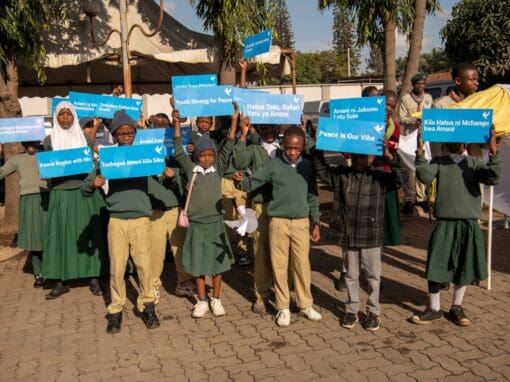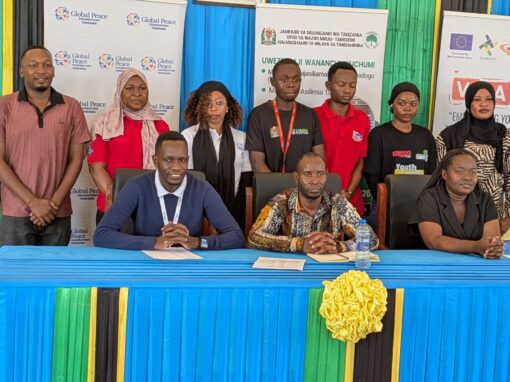
Young people can play a vital role in preventing conflict, strengthening communities, and addressing environmental challenges. The United Nations Development Programme (UNDP) and its partners recognize these contributions in their Guidance Note on Youth, Climate, Peace and Security, which emphasizes the importance of supporting young people as partners in responding to interconnected challenges of climate change, peace, and security.
Investing in young people is central to the peacebuilding work of the Global Peace Foundation (GPF). In Kenya, GPF supports leadership development and environmental programs that create opportunities for young people to contribute to their communities. A 2019 UNDP Kenya commentary reported that approximately 75 percent of Kenya’s population was under age 35, underscoring the importance of including young people in efforts to build peace and resilience.
Three initiatives in 2026 illustrate this approach through leadership training, rehabilitation and reconciliation, and environmental stewardship.
Youth Leadership: Preventing Violent Extremism
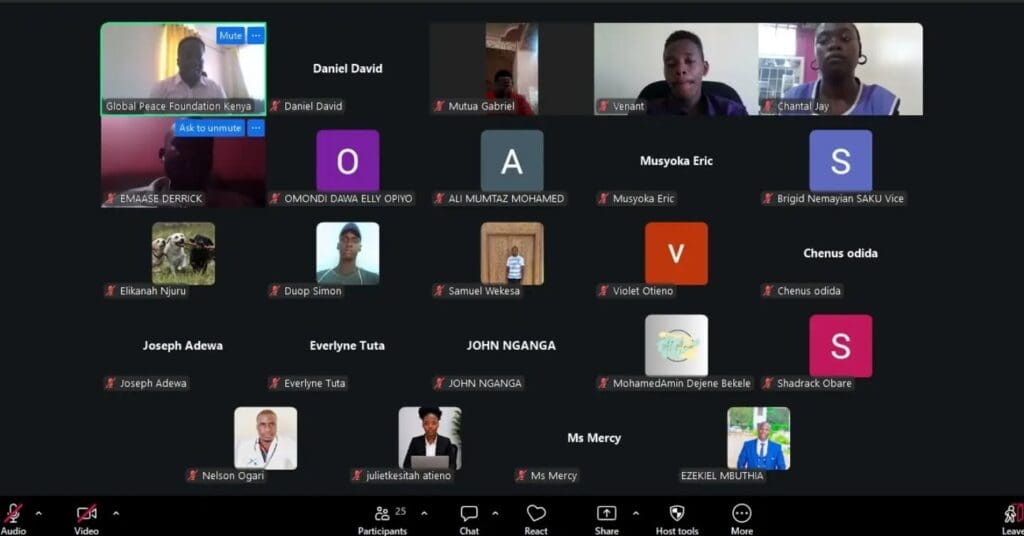
Screenshot from the “Prevention of Youth Radicalisation and Violent Extremism (PCVE)” training
In August 2026, GPF Kenya conducted training titled “Prevention of Youth Radicalisation and Violent Extremism (PCVE)” for more than 100 participants in the President’s Fellowship under the Chandaria Leadership Training Program. A needs assessment involving 49 respondents found that 73 percent had received no previous training on preventing violent extremism.
Facilitated by Vincent Ayako, youth leadership development and environment program manager, the session explored the drivers and stages of radicalization, early warning signs, prevention strategies, and the role of ethical leadership in strengthening community resilience.
Participants discussed factors that can increase vulnerability, including unemployment, social exclusion, peer pressure, misinformation, and limited access to positive role models. They were encouraged to apply their learning through community dialogue, peer mentorship, youth awareness activities, sports, and responsible online engagement.
“The training has given me a deeper understanding of what radicalisation means and, importantly, the difference between forms of extremism… This knowledge has helped me better understand experiences I have witnessed within my own community…”
–Nabwire Justine, President’s Fellowship–Chandaria Legacy Award Cohort 6 fellow and founder of the Ongoza Mtoto Initiative
By helping emerging leaders recognize vulnerabilities, encourage inclusion, and promote constructive engagement, the training supports the relationships and skills that underpin community peacebuilding.
Conflict Resolution: Creating Opportunities for Rehabilitation and Renewal
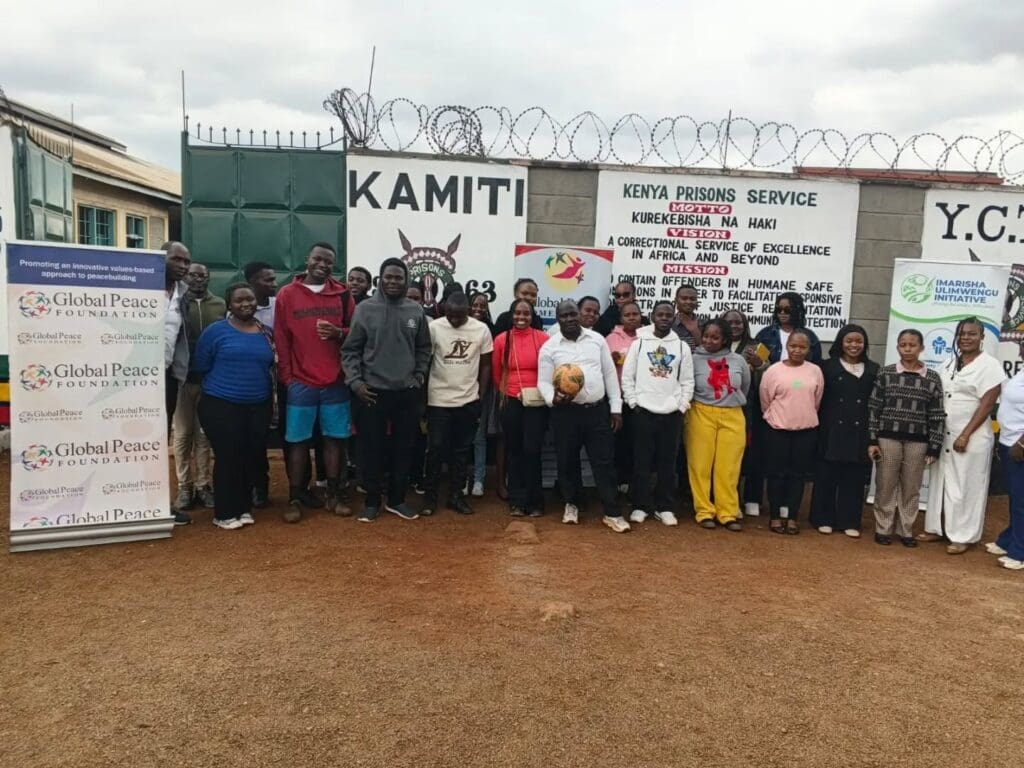
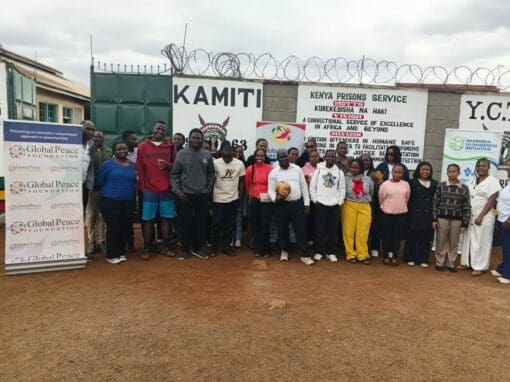
GPF Kenya at the Youth Correctional Training Centre at Kamiti Maximum Prison for International Day of Peace.
On September 21, 2026, GPF Kenya marked the International Day of Peace at the Youth Correctional Training Centre at Kamiti Maximum Prison. Organized with the Kenya Prisons Service and other partners, the event engaged 125 young men aged 17 to 21 through a Youth Peace Dialogue Forum and a football tournament.
Guided by the theme “Invest in Peace – For Everyone, Everywhere, Every Day,” participants reflected on forgiveness, personal responsibility, unity, volunteerism, and peaceful conflict resolution. Dialogue and sport created opportunities for positive interaction and for considering how past choices need not define future possibilities.
The event emphasized character development, hope, and constructive reintegration into society. It extended peacebuilding beyond preventing conflict to supporting rehabilitation, reconciliation, and personal transformation.
Environment: Growing Environmental Responsibility
GPF Kenya’s youth development work also includes environmental sustainability. In Kisumu County, the organization conducted a site readiness assessment at Lela Senior School in preparation for the Chandaria Tree Nursery.
The assessment found that the school met the requirements to host and sustainably manage the nursery. The initiative gained support from the school’s environment club, teachers, board of management, parents, and the wider community. Kisumu County Deputy Governor Dr. Mathews Owili also welcomed the project and pledged support, including potential market opportunities for seedlings.
Estimated to cost KES 1.5 million, the planned nursery is expected to produce approximately 100,000 seedlings annually: 60 percent indigenous trees, 30 percent fruit trees, and 10 percent exotic trees. It aims to support biodiversity, landscape restoration, and climate resilience while offering students, teachers, and community members opportunities to participate in conservation.
The program report estimates approximately 1.55 percent tree cover in Kisumu County. Planned as the 26th Chandaria Tree Nursery across 21 counties, the project would contribute to Kenya’s ambition to grow 15 billion trees by 2032.
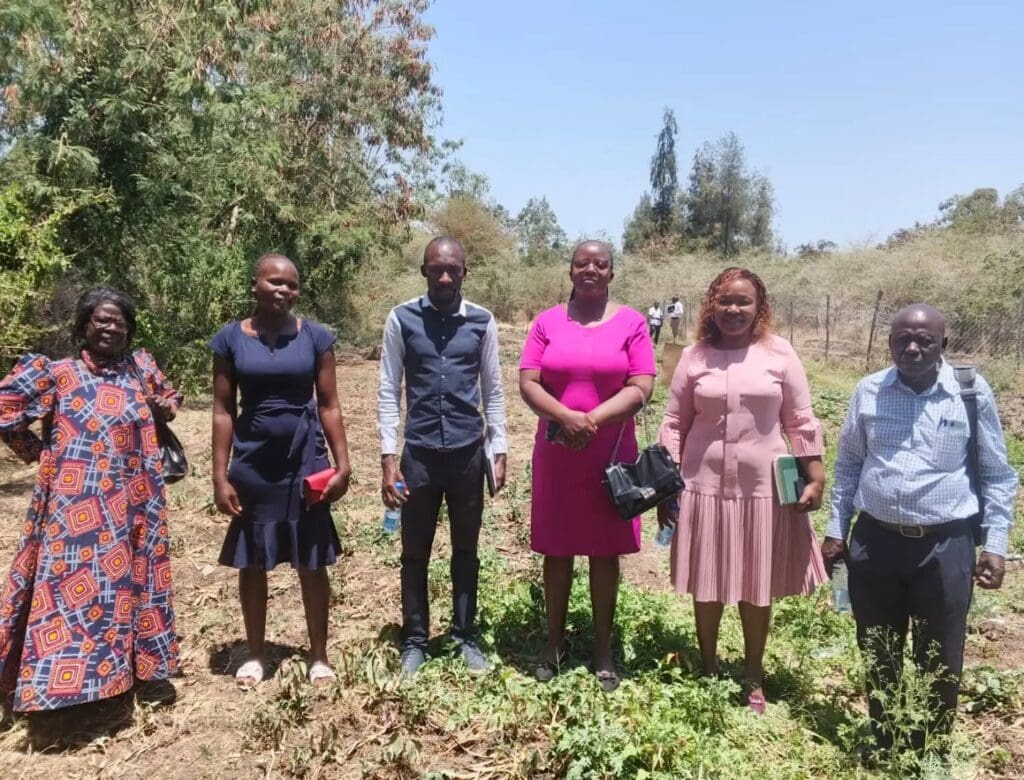
Readiness assessment at Lela Senior School in preparation for the Chandaria Tree Nursery
One Vision, Multiple Pathways to Peace
These initiatives address different challenges but share a practical understanding of peacebuilding: lasting progress depends on people developing their capabilities, practicing responsibility, and contributing to the greater good.
Leadership training helps young people recognize and respond to risks of violence. Dialogue and sport offer space for reflection and renewal. The planned nursery could give students and communities hands-on opportunities to practice environmental stewardship.
Together, these efforts show how GPF Kenya is supporting young people to lead with purpose, serve their communities, and contribute to a more peaceful, resilient, and sustainable future.