I always dreamed of being a writer. As a young girl, I imagined myself writing stories that people would read, remember, and perhaps carry with them long after turning the last page. I did not know then where that dream would take me, or that the desire to tell stories would eventually lead me into community development and peacebuilding.
One of the memories that has stayed with me is the day my father gave me a book by Kenyan author Dr. Mutahi Miricho. I became so curious about the person who had written it that I wanted to meet him. For me, the book was more than something to read. It opened a door into a world I wanted to understand and become part of. Years later, I did meet the author who had inspired me. That experience remains a special part of my journey as a writer.
In my second year of secondary school (Form Two), I wrote a short story called Disability Is Not Inability. I could not have imagined that it would later be published by the Jomo Kenyatta Foundation as an educational book. At that age, I was pursuing something I loved. I had no idea that writing would become one of the ways I would contribute to the lives of other people.
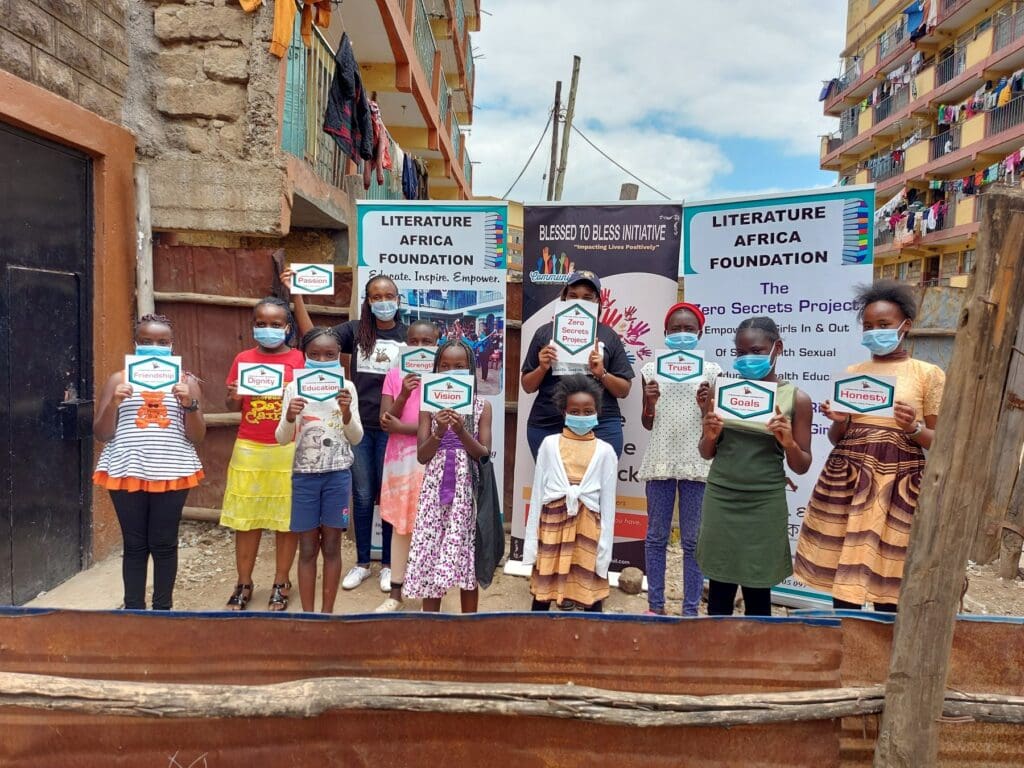
Wairimu with Literature Africa Foundation
As I grew older, I began to think about the children who had little access to books, educational resources, and opportunities to discover their own abilities. I knew what a book had meant to me, and I wanted other young people to experience the possibilities that education could open up for them. In 2015, I founded the Literature Africa Foundation. The idea was to expand educational and economic empowerment opportunities for young people in Kenya, particularly those whose circumstances limited their choices. What had started as a personal dream gradually became a commitment to working with communities.
Through the foundation, we pursued initiatives involving reading, community libraries, educational materials, mentorship, and youth development. We also explored ways to connect education with practical opportunities, including through the Somo2Kazi Program, an initiative that sought to help young people connect learning with careers and employment.
Building the foundation taught me that caring about a cause and finding ways to address it are two different things. There were ideas to develop, people to engage, resources to find, and programs to sustain. The needs we encountered were often interconnected. A young person might need educational support, but also guidance, encouragement, or access to opportunities that could help turn their education into a livelihood.
I found myself looking beyond the immediate activity to the circumstances surrounding it. What was making it difficult for a young person to move forward? Who else was affected? What resources were already available in the community? How could we develop a response that reflected people’s actual needs?
These questions changed how I approached my work. I learned that communities are made up of people with knowledge, experiences, relationships, and ideas of their own. To work effectively with them, you have to listen, learn, and be willing to adjust your plans.
My work with Literature Africa Foundation remained focused on education and opportunity, but it also brought me closer to the social challenges affecting young people and families. I began to appreciate how exclusion, limited opportunities, and the difficulties people face in their daily lives can influence their relationships and their sense of belonging.
I did not set out to become a peacebuilder when I founded the organization. I was following my interest in writing, education, and community development. Yet, these experiences were shaping the questions I would later explore more deliberately through peacebuilding.
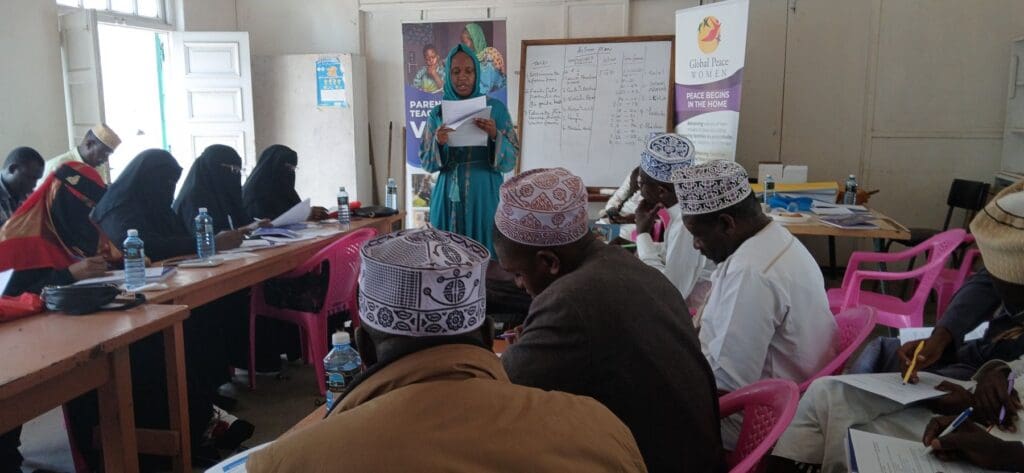
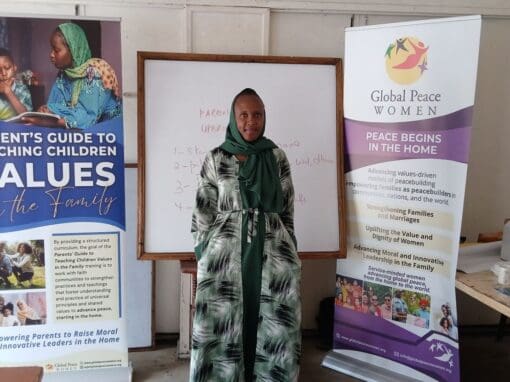
Wairimu with Global Peace Women
A significant turning point came in 2020, during the COVID-19 pandemic. My neighbor, Eva, had learned about my community work and introduced me to Global Peace Women (GPW). Through Eva, I connected with Dr. Soonok Kang, then president of GPW, and later joined the Global Peace Women Leadership Academy.
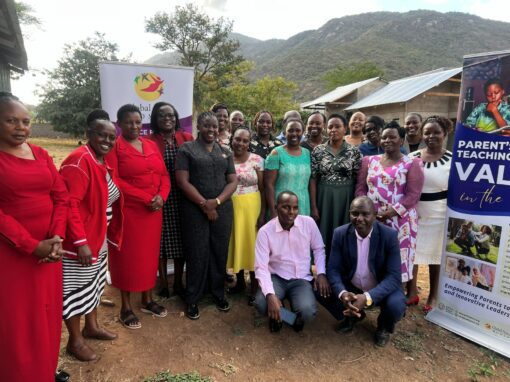
The academy introduced me to new ways of developing and managing community projects. I strengthened my skills in proposal writing, budgeting, project planning, monitoring, and evaluation. These lessons helped me think more carefully about how an idea becomes a program, how progress can be assessed, and how an organization can learn from its work. As part of this experience, I developed and implemented My Body, My Health, My Life, a project supporting teenage mothers in Dandora, Nairobi. The initiative included mentorship, menstrual hygiene education, and mental health education. It addressed issues that can affect young mothers’ confidence, well-being, and ability to make informed decisions about their lives.
Working on such initiatives made me think about what meaningful support looks like to the people involved. Teenage mothers may be navigating difficult circumstances while also facing judgment from others. They need access to information and services, but they also need to be treated with dignity and given room to speak about their experiences.
For me, this was an important part of learning to work with communities. The work required attention to the circumstances people faced and respect for their ability to participate in decisions affecting them. It also reinforced the importance of relationships, mentorship, and creating opportunities for people to learn from one another.
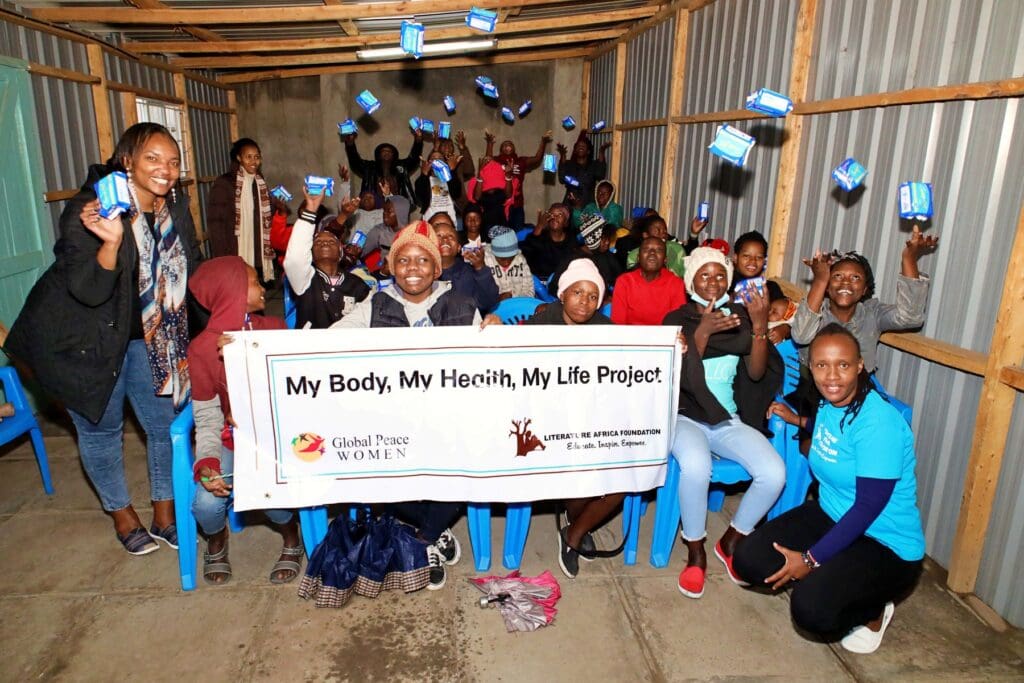
Wairimu with My Body, My Health, My Life project
My involvement with GPW helped me connect these experiences to peacebuilding. I began to understand more clearly how the way people are treated, whether they have opportunities to participate, and whether their concerns are heard can affect their relationships with others and their place in society.
Peacebuilding became a way of looking at questions I had encountered throughout my work. How do we address the tensions that arise when people feel excluded? How can communities work together when they have different needs and priorities? What helps people rebuild trust, resolve disagreements, and take responsibility for the well-being of others?
I am still exploring these questions. My experiences have not given me a single answer, because every community has its own circumstances. They have, however, taught me to listen to the people involved, understand the issues before proposing solutions, and recognize that lasting progress requires participation and commitment.
Today, my work with the Global Peace Foundation continues this journey. It gives me an opportunity to draw on my experience in community development while engaging with peacebuilding initiatives that bring people together across differences and encourage them to take responsibility for the well-being of their communities. I continue to learn from this work, asking how the principles I have encountered over the years can be applied in different settings and how communities can develop their own responses to the challenges they face.
Sometimes I think about that young girl who wanted to become a writer. She wanted to put stories into the world. She could not have known that the journey would take her beyond writing books and into the lives of young people, women, and communities working through everyday challenges.
I still want to tell stories. But today, I am also interested in listening to the stories people carry, understanding the circumstances that shape their lives, and exploring how communities can find ways forward together. My journey into peacebuilding has grown out of that long connection between stories, people, and the opportunities we create for one another.
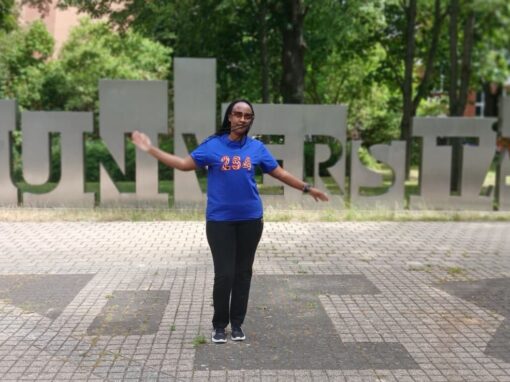
For more about my move from Kenya to Germany to pursue a master’s degree in peace and conflict studies at Otto von Guericke University Magdeburg, read the first article in this series: Why I Left Kenya to Study Peace.