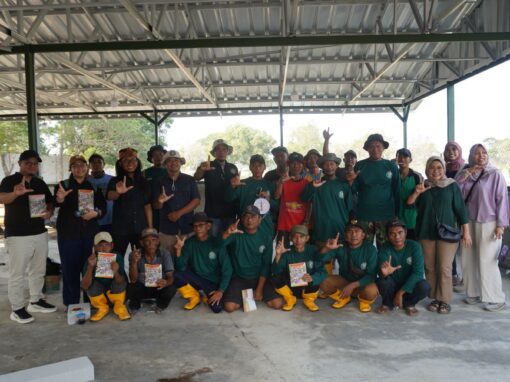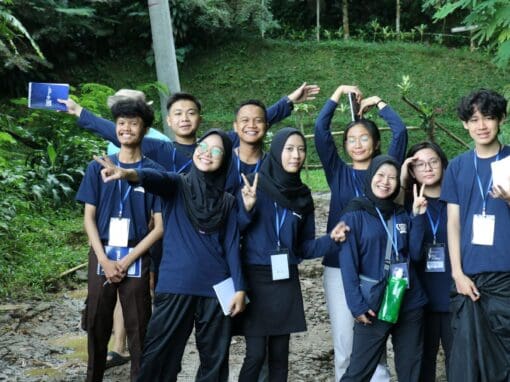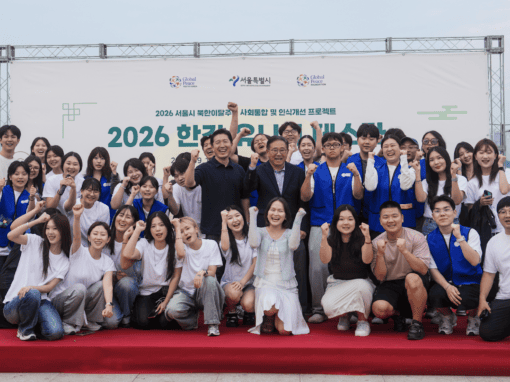
One of the most enduring foundations for peace is a shared commitment to the common good. Whether standing up for a social cause or caring for the environment, peace takes root when people take shared ownership. Across the Global Peace Foundation (GPF) family, young people are putting this principle into action through environmental stewardship.
Environmental stewardship and peacebuilding are deeply connected. When people come together to protect the environment we all depend on, relationships are strengthened. Service becomes a bridge, shared responsibility becomes common ground, and environmental action cultivates trust, cooperation, and civic leadership.
From riverbanks and forests to homes and public spaces, GPF youth are working with communities to care for the environment we all share. In doing so, they help build bonds across differences, strengthen trust and cooperation, and nurture a sense of collective responsibility rooted in the vision of One Family under God.
Here are some environmental initiatives led by or engaging GPF youth around the world.
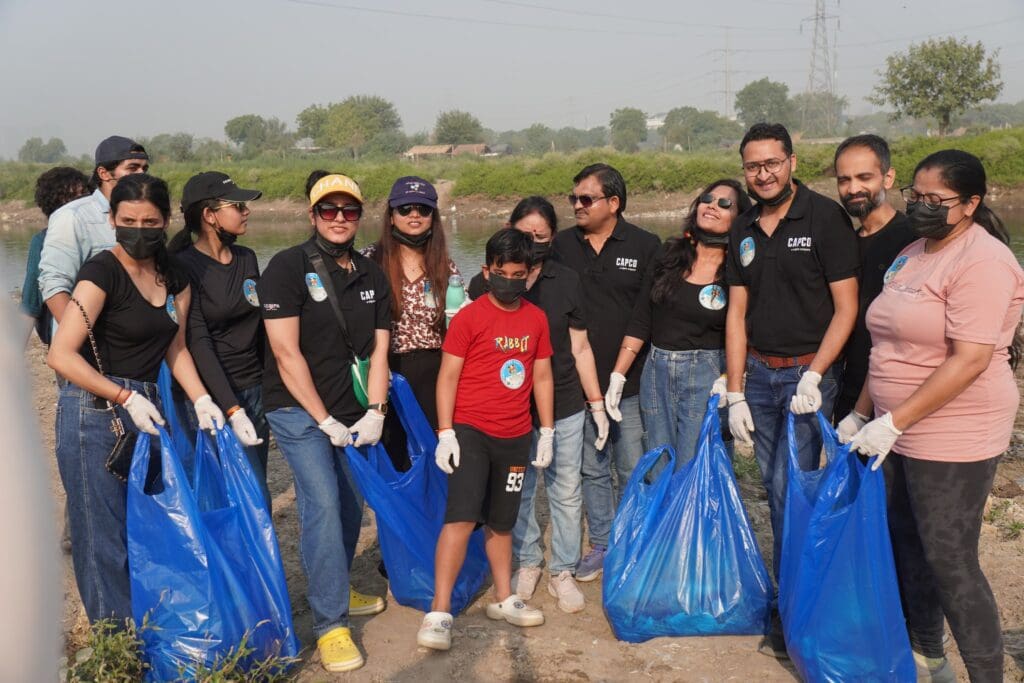
Volunteers during a cleanup drive on India’s Yamuna River.
1. From Restoring Rivers to Restoring Relationships
In India, GPF youth are helping revive the Yamuna River, one of the country’s most significant rivers. Voicing the Yamuna 3.0, a campaign by GPF India, aims not only to clean and restore the river, but also to raise awareness about river conservation and encourage shared ownership among communities. The initiative shows how collective environmental action can bring people together for long-term stewardship.
Read more: https://globalpeace.org/article/voicing-the-yamuna-gpf-india-calls-for-river-revival/
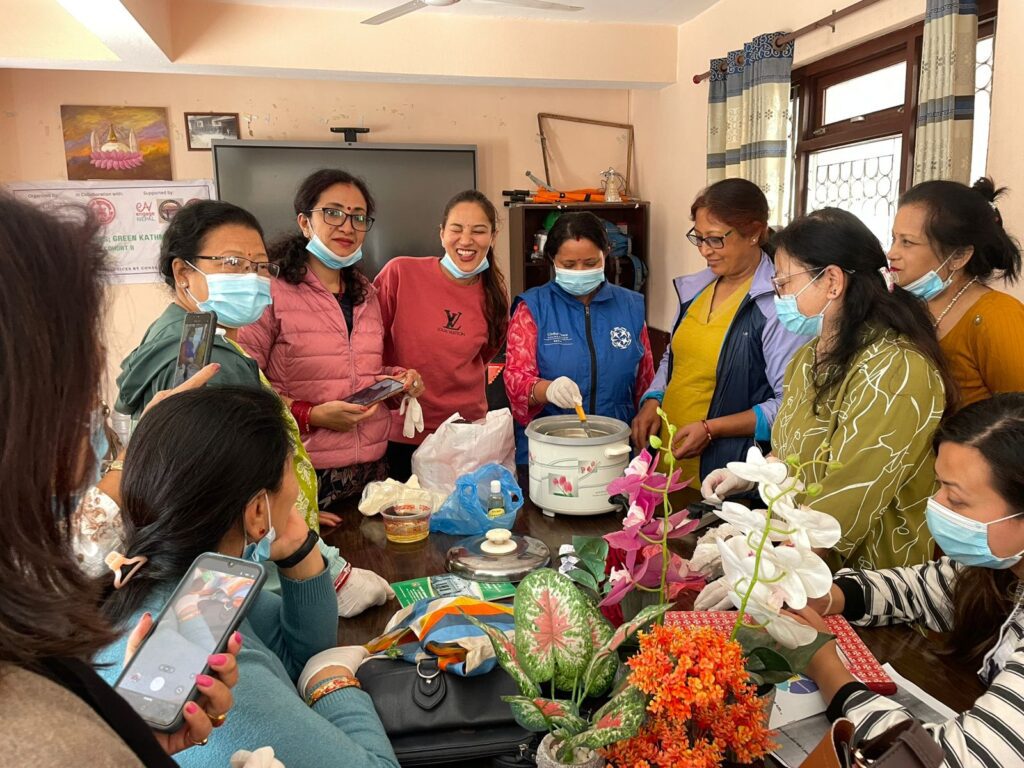
Green Homes: Green Kathmandu Training on Making Soaps, Liquid Soaps, and Sanitizers
2. Environmental Peace Starts at Home
In Nepal, environmental action is taking root in homes and neighborhoods through small, everyday practices. Through initiatives such as Project Sparsha, Green Homes: Green Kathmandu, and WASH programs, youth, women, and local communities are learning about sanitation, sustainable household practices, and caring for their neighborhoods. These efforts show that stronger, more peaceful, and more resilient communities are built not only through infrastructure, but also through grassroots action.
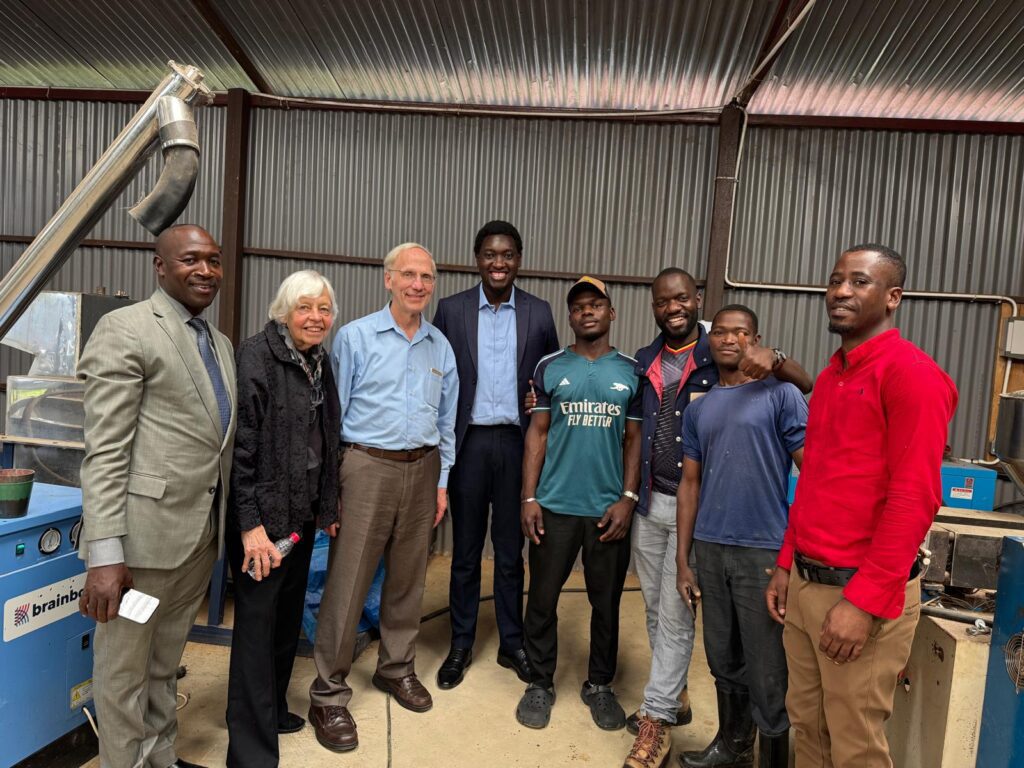
GPF Uganda in partnership with Waste Plus
3. Environmental Peacebuilding as a Model for National Transformation
In Uganda, young people are advancing environmental stewardship through values-based leadership, youth empowerment, and cross-sector collaboration. Through initiatives such as Waste Plus and Good Forests, GPF Uganda is bringing youth to the forefront of environmental peacebuilding. These efforts demonstrate how environmental action can support broader goals for community resilience and national transformation.
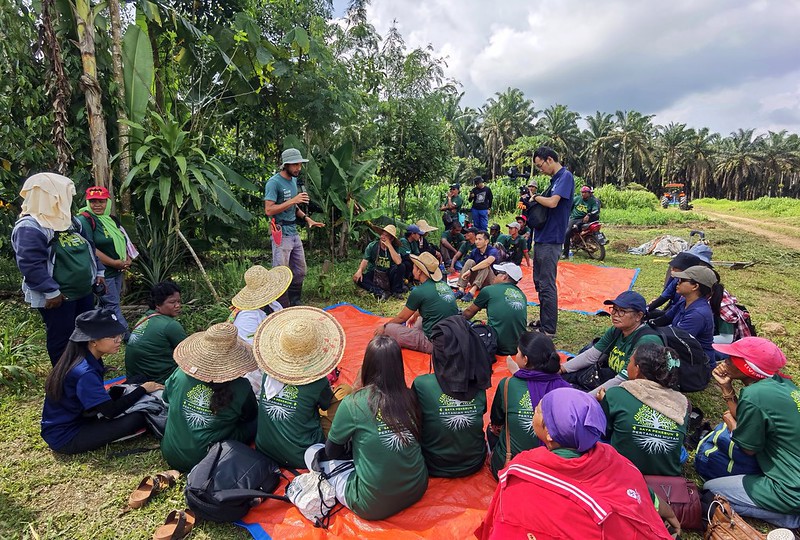
Orang Asli famers learning about syntropic farming at A Little Wild, Kota Tinggi
4. Nurturing Communities Through Food Security
In Malaysia, initiatives such as The Lost Food Project are helping revitalize land, livelihoods, and local communities. With goals to restore ecosystems, equip communities with regenerative practices, support food security, and improve market access, youth are helping advance practical solutions that strengthen resilience and community well-being.
Read more: https://globalpeace.org/article/tackling-the-food-insecurity-crisis/
Across these initiatives, young people are at the center. Whether restoring a river in India, promoting sustainable practices in Nepal, advancing environmental leadership in Uganda, or supporting food security in Malaysia, GPF youth are showing how environmental action can strengthen communities.
Environmental peacebuilding is not only about protecting nature. It is also about bringing people together through shared responsibility, cooperation, and service. As environmental challenges continue to grow, the world needs young people who are ready to take responsibility and lead with purpose. GPF and its chapters remain committed to providing youth with the space to learn, grow, and become leaders for peace.
Support GPF’s Youth Leadership Development efforts: https://globalpeace.info/youth-leadership-development