Melisiana Adofu
In many rural communities, the journey toward sustainable livelihoods is often marked by trial, error, and limited access to the right knowledge and support systems. For Melisiana Adofu from Chuno Ward in Tanzania’s Mtwara Region, this journey was all too familiar, until a targeted intervention by the Global Peace Foundation (GPF) helped change her story.
A Cycle of Loss and Limited Knowledge
Before participating in the program, Melisiana faced persistent challenges in her efforts to build a stable livelihood. Poultry farming, which she relied on for income, was unpredictable and often unsuccessful. Frequent chicken deaths meant repeated financial losses, leaving her discouraged and uncertain about the future.
Beyond economic struggles, there was also a gap in understanding the value of community collaboration. Like many others in her context, Melisiana worked largely in isolation, without fully recognizing how collective effort and shared learning could strengthen both individual and community outcomes.
Reflecting on her experience, she shared: “Before the project, I did not have practical development skills, and my poultry farming activities frequently failed because chickens kept dying. I also did not fully understand the importance of cooperation within the community.”
Gaining Skills, Confidence, and a New Perspective
Through GPF Tanzania’s dialogue sessions and training programs, Melisiana was introduced to practical skills that directly addressed her challenges. She received training in improved poultry farming techniques, enabling her to better manage her livestock and significantly reduce mortality rates.
However, the program went beyond technical training. It emphasized personal development, mindset change, and the importance of community cooperation. Melisiana learned that sustainable progress is not only about individual effort but also about working together, sharing knowledge, and supporting one another. She also gained skills in peer education and community facilitation, equipping her as a beneficiary and a contributor to wider community transformation.
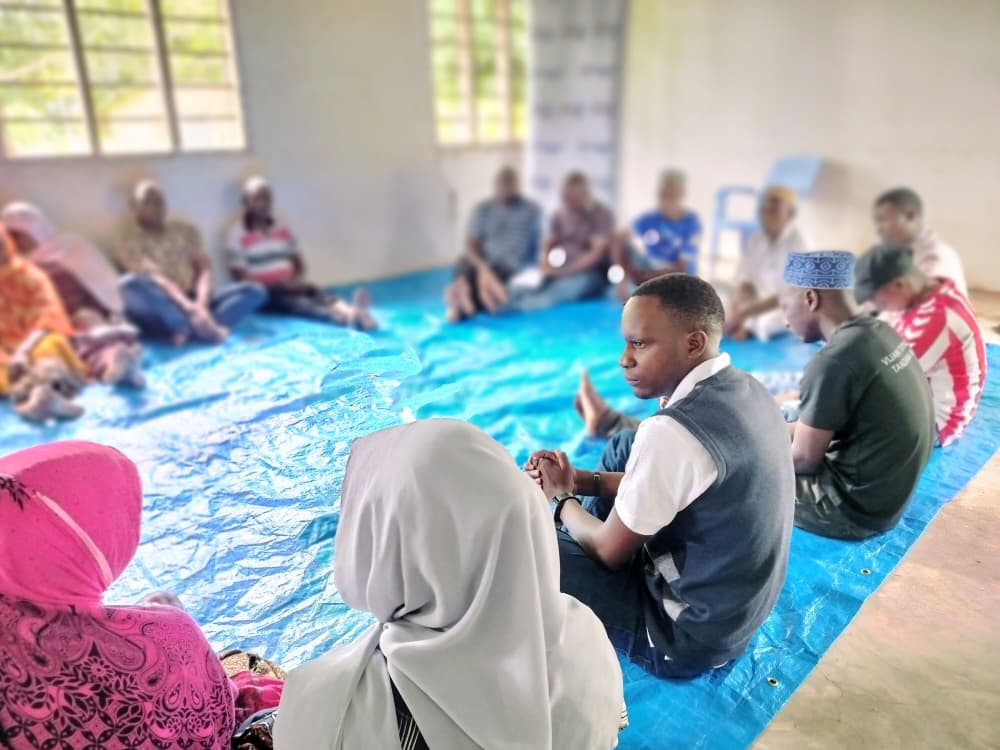
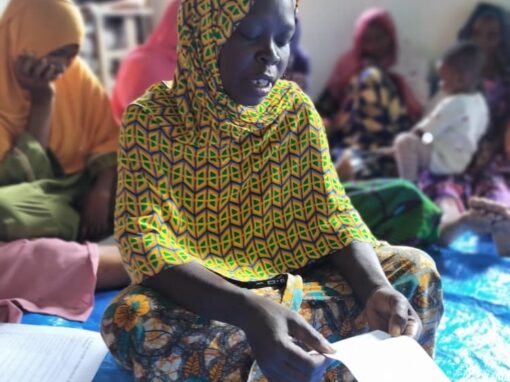
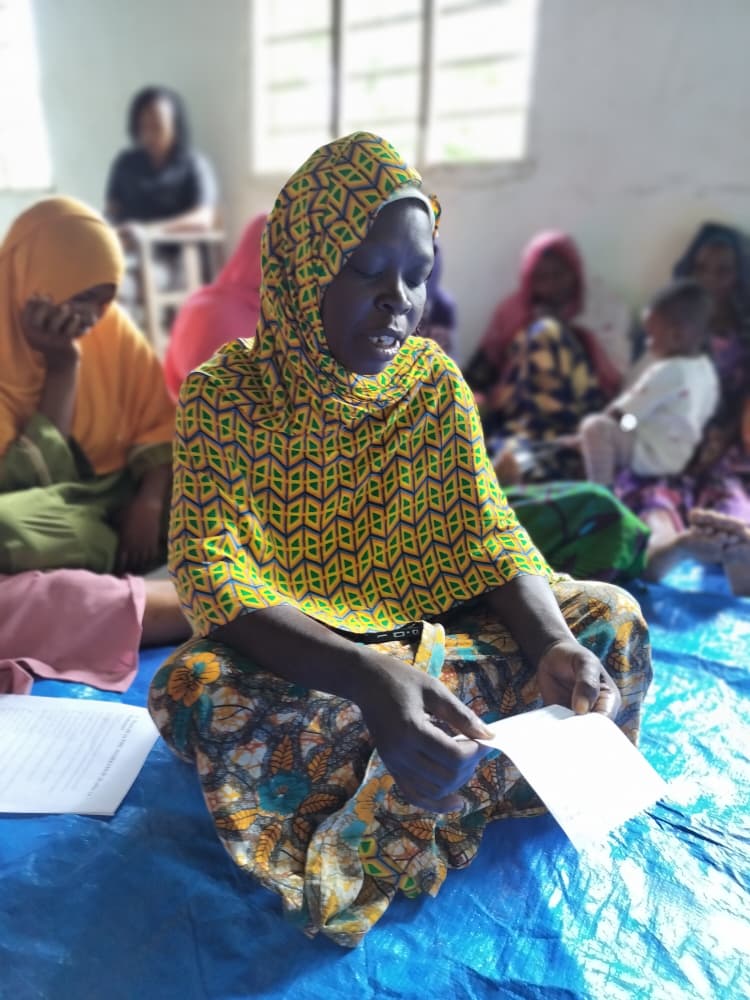
Participants of GPF Tanzania’s dialogue sessions and training programs
Building a Sustainable Livelihood
With her new knowledge, Melisiana began to see tangible improvements. Her poultry farming became more stable and productive, reducing losses that had once held her back. She also diversified her income by introducing fruit tree planting, creating an additional and more resilient source of livelihood.
These changes marked a shift from survival to sustainability. Instead of reacting to repeated setbacks, Melisiana was now proactively managing and growing her economic activities.
Strengthening Community Cooperation
Perhaps even more significant was the transformation in how Melisiana viewed her role within the community. Through the program, she developed a deeper understanding of cooperation, collective responsibility, and interdependence.
She began actively engaging with others, sharing her knowledge, offering guidance, and supporting fellow community members in improving their own livelihoods. In doing so, she became a local resource person and a catalyst for change.
Her efforts extended beyond her own household, reaching approximately 50 community members through training, advisory support, and peer learning. This ripple effect demonstrates how one empowered individual can contribute to broader community resilience and cohesion.
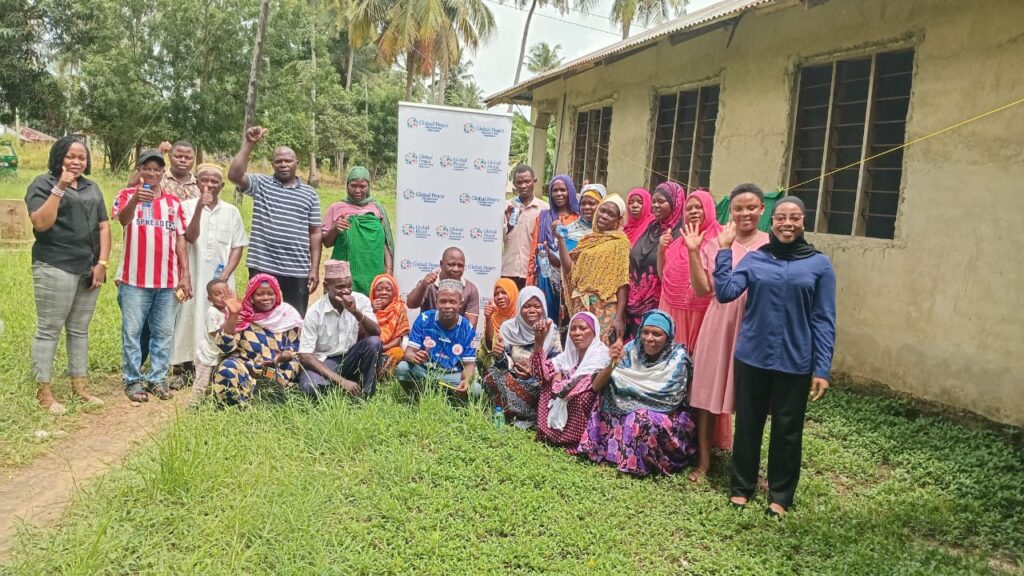
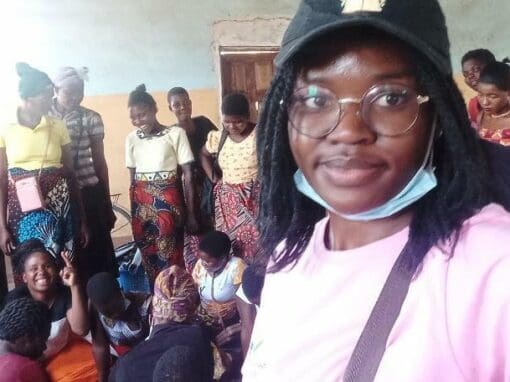
Participants of GPF Tanzania’s dialogue sessions and training programs
A Story of Transformation and Possibility
Melisiana’s journey is a powerful example of how integrated interventions, combining livelihood skills, personal development, and community engagement, can create lasting impact. Her transformation reflects more than improved income; it highlights a shift in mindset, confidence, and social responsibility. By embracing both knowledge and cooperation, she has moved from working alone to building alongside others, strengthening both her own future and that of her community.
Looking ahead, Melisiana advocates for continued training opportunities, increased awareness of social issues such as gender-based violence, and access to small capital for women to expand their economic activities. Her vision highlights the importance of sustained support in unlocking the full potential of individuals and communities and is a reminder that sustainable development is about empowerment, connection, and shared growth. When individuals are equipped with the right skills and inspired to work together, transformation becomes both possible and scalable.