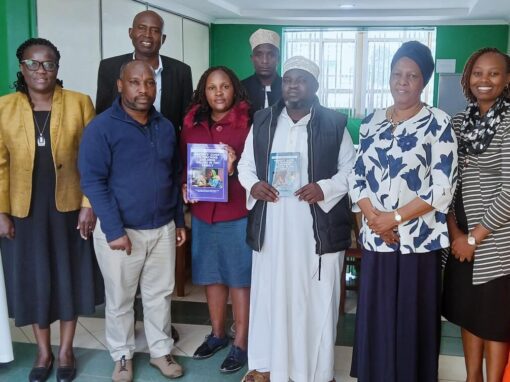
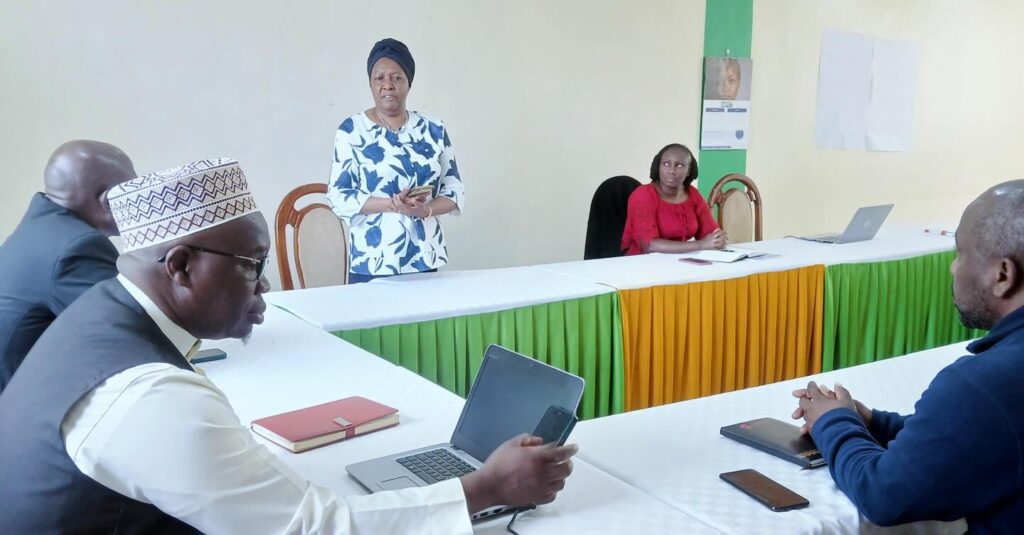
Participants at the Stakeholders Project Review Meeting
Global Peace Women (GPW), in collaboration with Global Peace Foundation (GPF) Kenya, Scripture Union of Kenya, and the Muslim Centre for Peace and Reconciliation, convened a high-level Stakeholders Project Review Meeting at Scripture Union of Kenya to assess progress and chart the future of the Parents’ Guide to Teaching Children Values in the Family initiative.
Bringing together faith leaders, trainers, and development practitioners committed to restoring the central role of the family in shaping values-driven societies, the meeting reaffirmed a shared conviction that lasting peace and sustainable development begin in the home.
During the meeting, parents were spotlighted as the most important stakeholders in education and in developing models and innovative leaders. “The family is where you mold the product that we hand over to the teachers,” shared Mr. Daniel Juma, GPF Africa regional representative and GPF Kenya country director. This understanding expands education beyond academics to include moral, spiritual, emotional, and social development, dimensions that are best nurtured within the home. Anchored in this vision, the guidebook responds to a clear and growing need identified through monitoring and evaluation: parents are seeking practical, accessible tools to intentionally pass on values to their children.
This initiative traces its roots to the 2024 Global Peace Leadership Conference held in Nairobi, where a call was made for an African renaissance rooted in the enduring strengths of family and faith. Inspired by this vision, and guided by the conviction that “peace begins in the home,” a multi-faith working group came together to develop a resource that empowers parents as primary educators of character. As shared in the GPW International President Hanako Ikeno’s message during the review, the process has been both challenging and deeply rewarding, marked by collaboration, faith, and a shared commitment to future generations.
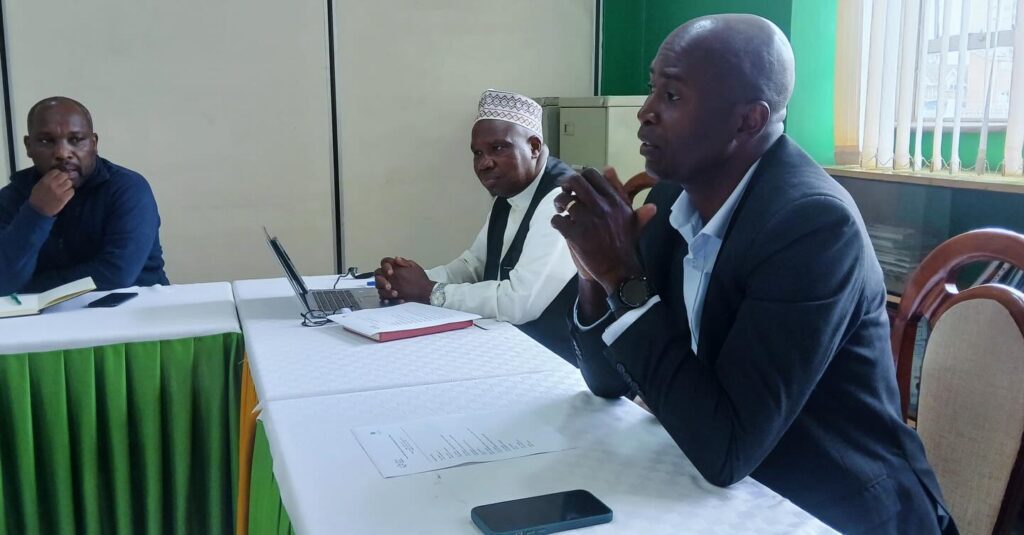
Participants at the Stakeholders Project Review Meeting
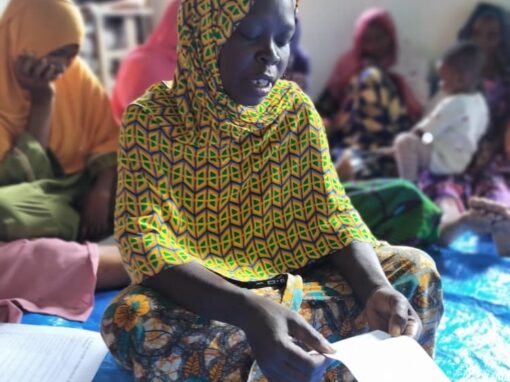
Over the past year, significant strides have been made. More than 240 Trainers of Trainers (TOTs) have been equipped, with over 5,500 parents already reached through community-based training. Faith leaders have played a pivotal role, leveraging existing structures such as churches, mosques, madrassas, and community gatherings to extend the program’s reach. In both Christian and Muslim contexts, the guidebook has proven highly relevant, bridging traditional parenting approaches with practical, values-based methodologies that resonate with contemporary family realities.
Stories from the field reflect both impact and innovation. Trainers have embraced volunteerism, creatively integrating values education into everyday community life, from organized workshops to informal settings such as weddings and funerals. The emergence of champions like Caroline Muthoni Mbae, a TOT from Embu, Kenya, nicknamed by community members as “Carol wa Values,” highlights the organic growth of the movement, driven by passion, goodwill, and a deep recognition of the urgent need to support families.
At the same time, the initiative has navigated real challenges, including limited resources, time constraints, generational gaps in parenting, and complex social issues such as mental health and identity struggles among both parents and children.
The review meeting provided a critical space not only to celebrate achievements but also to reflect on areas for growth. Stakeholders emphasized the importance of strengthening follow-up with trained facilitators, enhancing monitoring and evaluation tools, and deepening engagement with faith leaders to ensure sustained commitment. There was also a strong call to expand the program’s reach through digital platforms, mentorship systems, and interfaith learning exchanges, as well as to explore policy-level engagement that positions family and parenting at the center of national development conversations.
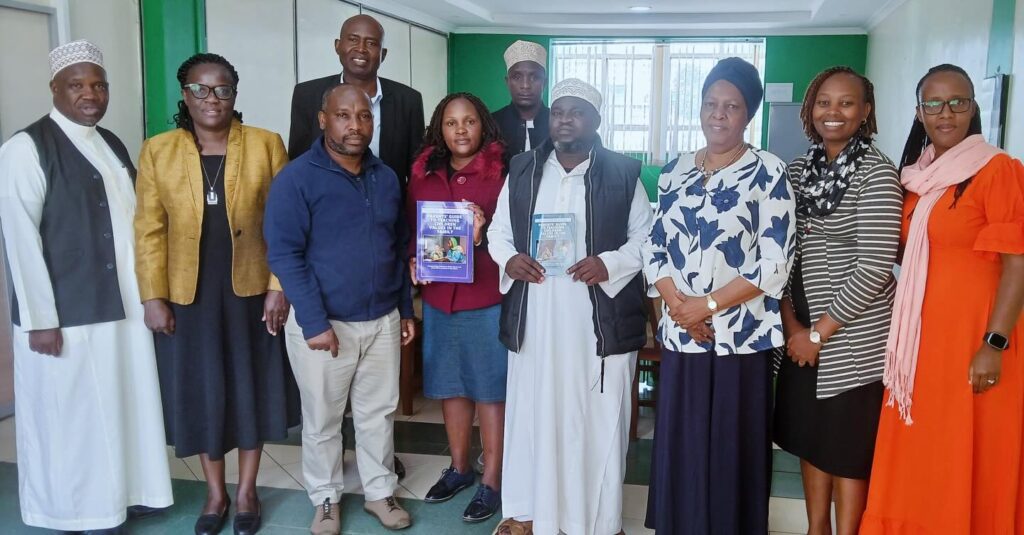
Group photo from the Stakeholders Project Review Meeting
A recurring theme throughout the discussions was the recognition that parenting is not an individual task but a shared societal responsibility. Families require holistic support, spiritual, economic, emotional, and social, to thrive. Equally important is the intentional preparation of young people for future roles in marriage and parenthood, acknowledging that strong families are built long before children are born.
At its core, the Parents’ Guide to Teaching Children Values in the Family guidebook is more than a manual. It is a movement to shift perspectives, restore dignity to parenting, and re-center the family as the foundation of peacebuilding and nation-building. It calls for a renewed partnership between fathers and mothers, faith leaders and communities, institutions and individuals, all working together to raise a generation grounded in values and equipped to lead.
The values children learn at home often become the way they show up in the world, as neighbors, leaders, and peacemakers. A more peaceful future begins with the people who first teach children what it means to live with kindness, dignity, and respect.
As this initiative enters its next phase, the commitment to grow networks, strengthen resources, and scale impact across communities and nations remains clear. The journey ahead will require continued collaboration, innovation, and investment, but as reflected during the meeting, meaningful change has never been easy, and the stakes have never been higher.
To explore the full Parents’ Guide to Teaching Children Values in the Family initiative and learn how you can be part of this transformative movement, read more here: The Home as the Heart of Africa’s Renaissance: Strengthening Families through Values Education