Dr Paul Murray
From individual trauma to collective suffering, the human spirit’s capacity to endure and forgive is evident throughout history. Time and again, people have shown remarkable resilience in surviving immeasurable pain and sorrow and moving forward. Recognizing the inherent value, worth, and dignity of each person, the Global Peace Foundation (GPF) utilizes a values-based approach to peacebuilding that emphasizes universal principles and shared values grounded in our shared humanity. It is in this shared humanity that the promise of social cohesion and peaceful coexistence lies.
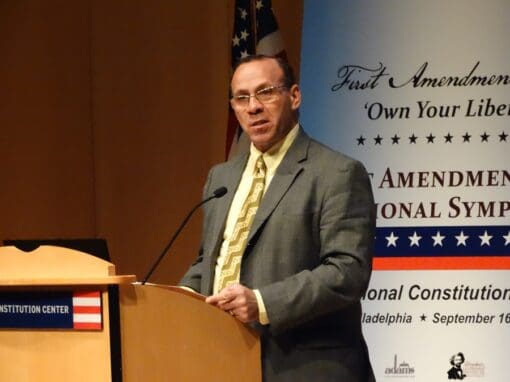
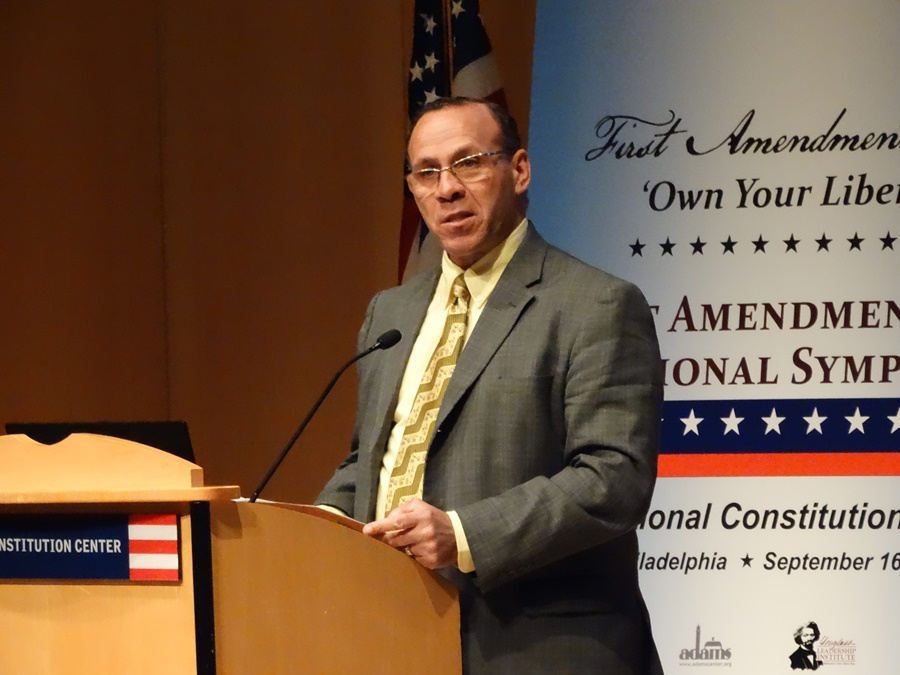
In his November 26, 2025, op-ed for The Christian Post, “Despite the Massacres, Nigeria’s Church Still Sings,” Dr. Paul Murray, international vice president for Religious Freedom Initiatives at GPF, chronicles the ongoing persecution of Christians in Nigeria and their resilience. Recounting the story of Little Ruth, who witnessed the murder of her mother by militants, Dr. Murray notes, “Ruth’s family understands both the depths of suffering and the roots of resilience. ‘We pray not for revenge, but for forgiveness — for the attackers to find Christ. Only God can change the heart of a man,’ says her adoptive father, Danjuma John. ‘We’ve lost so much, but we also know that Christ is with us.’”
As with so many of life’s greatest challenges, we need to join forces to create an environment where peace can be achieved and sustained. Only through a united effort can the suffering in Nigeria and elsewhere be addressed in ways that create lasting change. Dr. Murray calls for the “combining of prayer with tangible support,” reminding readers that solidarity must take the form of partnership, not pity.
In addressing conflict, GPF engages in a range of peacebuilding initiatives that highlight interfaith collaboration, moral and innovative leadership, and shared responsibility. Recognizing that peace is everyone’s responsibility and that families serve as the foundation for instilling values, GPF also works to empower youth and women as positive agents of change.
In December 2025, the collective power of interfaith leaders to promote lasting peace and human security in Nigeria was on full display when GPF Nigeria convened a high-level interfaith dialogue under the theme “Building Bridges of Hope: Strengthening Religious Solidarity to End Targeted Violence in Nigeria.” Opening the one-day event, GPF Nigeria Country Director Reverend John Joseph Hayab underscored the urgent need for moral leaders to work together to protect human dignity and foster unity, trust, and national security.
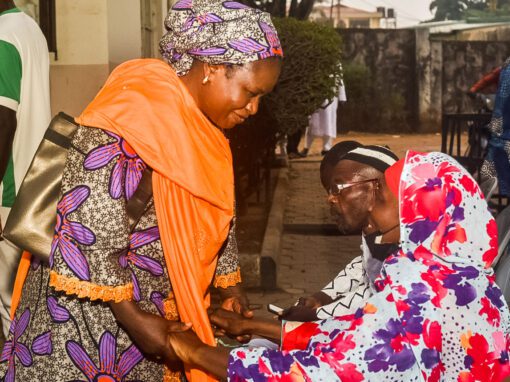
Another recent activity is GPF Nigeria’s commemoration of the International Day of Coexistence, held at the Women Multipurpose Centre in Minna, Niger State, on January 28, 2026. The event brought together more than 160 participants, including religious leaders, government officials, security personnel, civil society representatives, and men, women, and children from diverse communities, centered on the theme “Promoting Tolerance, Inclusion, Understanding, and Solidarity.” The program also emphasized the vital role of families, particularly the important role women play, in shaping the values that foster harmony within communities.
GPF also hosts monthly Global Network Calls through its Global Peace Leadership Corps, a global initiative launched in 2023 to mobilize young people in peacebuilding and service programs at both the local and international levels. These calls attract young leaders from around the world to engage in discussions on diverse topics related to youth character development, leadership, and peacebuilding.
These and other activities create opportunities for people from diverse backgrounds to engage in meaningful dialogue, build leadership skills, and participate in a variety of peacebuilding efforts grounded in GPF’s vision of One Family under God. Together, these experiences strengthen the resilience of communities and contribute to positive change and lasting peace.
In his op-ed, Dr. Murray stresses that lasting change in Nigeria requires us to “walk the talk.” He writes, “Let prayer be combined with advocacy and practical support, not to ‘save Nigeria,’ but to walk alongside and learn from its struggling faith communities.” Let us learn from stories like Ruth’s and others — where pain and suffering are met with resilience and a determination to survive — as we actively engage in values-based peacebuilding at both the local and global levels.