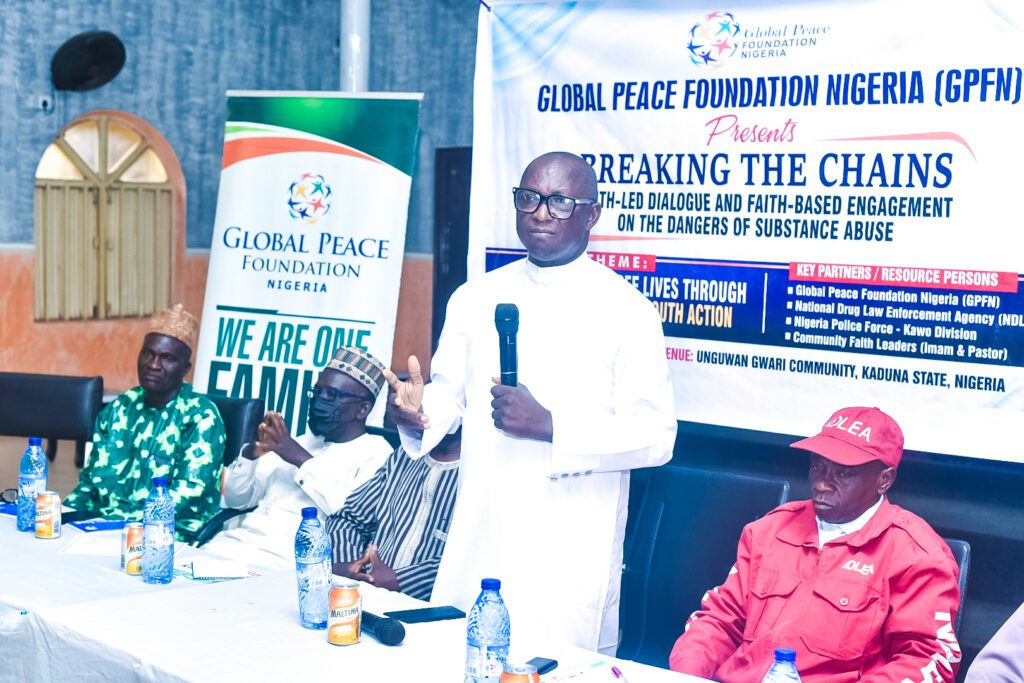
Rev. John Joseph Hayab, Country Director, GPF Nigeria making his remarks
Recognizing the threat of substance abuse to social cohesion and sustainable peace, the Global Peace Foundation (GPF) Nigeria convened a youth-led dialogue and faith-based engagement to address its dangers. Over 150 participants from diverse family, religious, and ethnic backgrounds, including religious and community leaders, men, women, and youth, gathered at the Ungwan Gwari Community Hall in Kaduna for the two-day event on February 23 and 24, 2026. The program offered insights into the harmful effects of substance abuse and strategies to address it effectively.
With the theme “Breaking the Chains,” the event underscored the need for collective action to drive sustainable community transformation through awareness, faith-based advocacy, medical education, and youth-driven action. Day one focused on educating the attendees about substance abuse, while day two focused on regulatory insights, sharing of individual experiences, and community-driven solutions.
GPF Nigeria Country Director Reverend John Joseph Hayab opened the event, stating, “Substance abuse is not only a major threat to peace, security, and national development, but something that brings shame to individuals, families, and communities, hence the need for urgent action to curtail its prevalence, particularly among young people who represent the strength of the nation.” While stressing the importance of enforcement, he championed prevention through awareness, moral guidance, and community support. Acknowledging the vital role of young people in families, communities, and the nation, Rev. Hayab challenged victims struggling with substance abuse to be willing to change. He concluded by reaffirming GPF’s vision of One Family Under God, the innate value of every human being, and the necessity to protect and preserve human dignity.
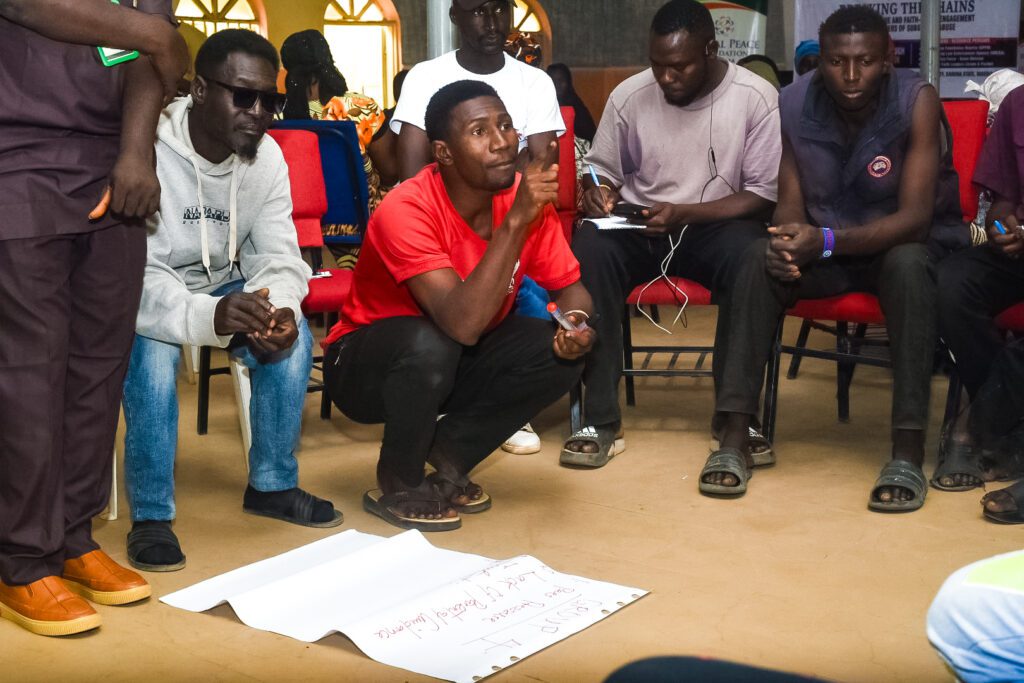
Group discussion on Day 2
The first day of the program featured three key sessions: a faith-based session, a session led by expert health personnel and a National Drug Law Enforcement Agency (NDLEA) representative, and a question-and-answer session. First, Dr. Ahmad A. Maskawu, deputy provost of Kaduna State College of Nursing Sciences, discussed the adverse effects of substance abuse on health, particularly on organs such as the brain, heart, kidneys, and liver. Reverend Danjuma Seth Wambai and Mallam Mikailu Umar then encouraged young people to follow religious teachings that foster faith, discipline, and guidance, helping them avoid substance abuse and achieve success and purpose in their lives.
Next, Mallam Muhammad Shuaibu (Assistant State Commander, Drug Demand Reduction, Counselling and Rehabilitation, NDLEA Kaduna State Command) outlined the mental, socio-economic, and legal consequences of drug abuse. He highlighted a 2018 study by the Federal Ministry of Health that showed 14.4% of Nigerians were drug users, underscoring the need for action to reduce this disturbing trend. The day concluded with an interactive question-and-answer session between the participants and resource personnel.
GPF Nigeria Program Manager, Abdul Ahmed, led the second day of the program by summarizing the previous day’s activities and then transitioned to a breakout session on the root causes of substance abuse. The participants identified several underlying causes, including parental negligence, unemployment and poverty, peer pressure and media influence, depression, trauma, and easy access to drugs.
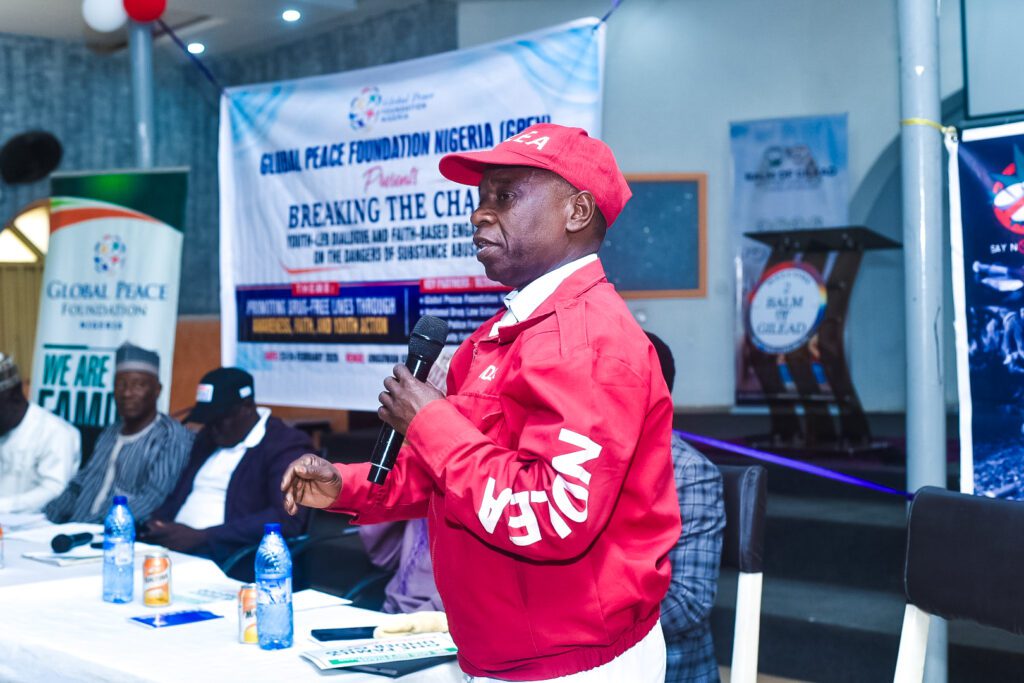
Mallam Muhammad Shuaibu, NDLEA, Kaduna State Command, during his presentation
Participants then shared emotional stories of their experiences with drugs—how they first became involved, the regrets they have, and their longing to quit. Inspired by the session, they proactively formed a youth network to sustain advocacy, peer education, and community monitoring to address drug-related issues within their communities.
Substance abuse affects everyone in the community, making it essential for programs such as the one offered by GPF Nigeria to provide accurate information and support to those impacted. Addressing the widespread nature of the issue, Rev. Wambai stated, “The problem of drug abuse has eaten deep into the fabric of the community to the point there is at least one victim in almost every family, affecting male and female, old and young, singles and married.”
Participant testimonies indicated the program was a success. One young participant shared, “I have always seen officials of the NDLEA as enemies who are only looking for whom to arrest, but today my perspective has changed.” A woman also remarked, “As a mother, I have been better equipped and empowered to identify, prevent, and handle symptoms and tendencies of drug abuse in my home, and this will go a long way.”
Initiatives like this demonstrate how youth leadership, faith-based engagement, and community dialogue can become powerful tools for preventing substance abuse and strengthening long-term peace.
As part of the follow-through plan, GPF Nigeria will conduct a final assessment and evaluation in April 2026 to conclude its ongoing project in Ungwan Gwari. Additionally, the organization will continue to support impacted youth who want to break free from drug abuse and participate in skills acquisition training.