In the first week of March, we started the International Women’s Day (IWD) 2026 blog series with this year’s theme of “Give to Gain,” and as we wrap up the IWD blog series, we reflect on the central message that women’s leadership is essential to peacebuilding and to building sustainable and inclusive societies.
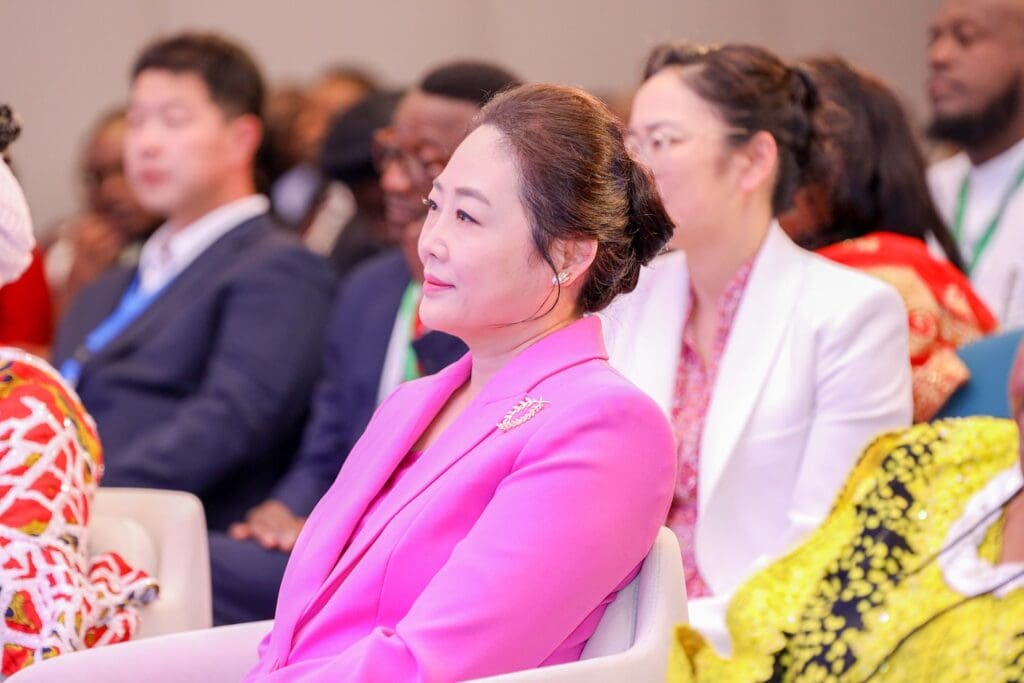
GPF co-founder Dr. Junsook Moon
In the very first blog of the series, we highlighted the inspiring leadership of Dr. Junsook Moon and her unwavering commitment to peacebuilding, women’s leadership, and humanitarian service, and her belief that peace begins in the family, which has been a guiding light to Global Peace Foundation (GPF) and Global Peace Women (GPW) initiatives. Read the first blog here: International Women’s Day 2026: Honoring Women’s Leadership in Peacebuilding
This was followed by the second blog, where we covered the initiatives by GPF and GPW under Women and Families in Peacebuilding, women’s empowerment, leadership development, and community engagement. Read the second blog here: Women and Families in Peacebuilding: Advancing Women’s Leadership
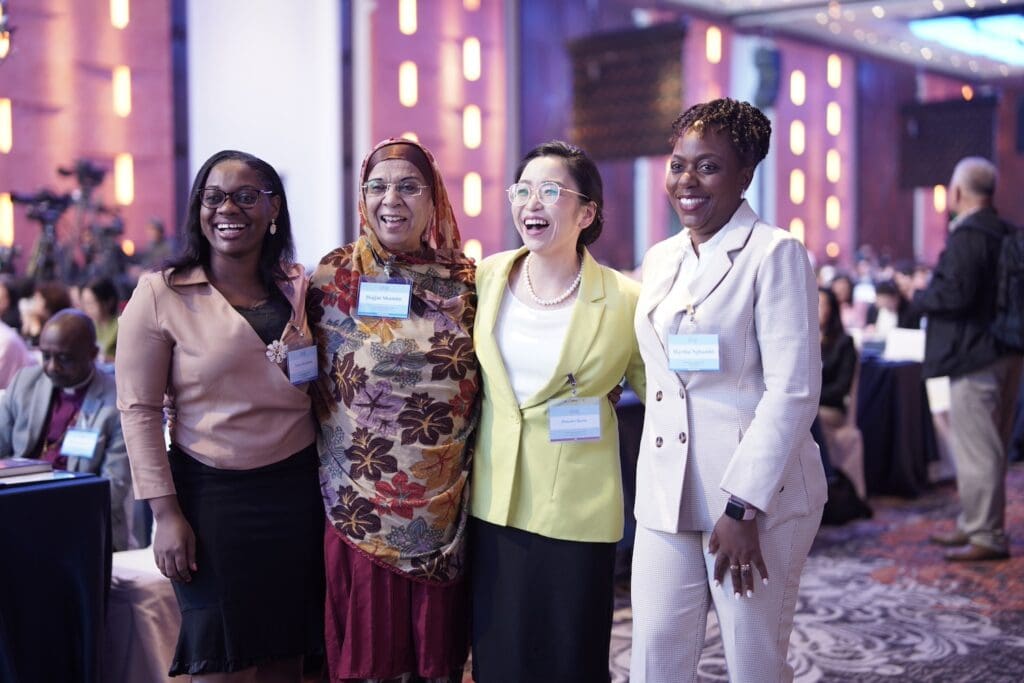
Global Peace Women representatives with International President of GPW, Hanako Ikeno
While these examples are drawn from recent initiatives, the role of women in bridging divides and strengthening communities remains a constant across cultures and contexts, highlighting the enduring importance of women’s leadership in building lasting peace.
In this final blog, we turn our attention towards interfaith peacebuilding and how women have been central in these efforts. In an increasingly polarized world, where differences in belief, identity, and culture often lead to division and conflict, women are stepping up to build bridges, fostering dialogue, trust, and understanding in communities.
Across GPF initiatives worldwide, women are leading programs that bring together people of diverse backgrounds, faiths, and traditions through dialogue, community engagement, and service. They are creating spaces where interfaith peacebuilding takes root from the ground up, where differences are respected, stories are shared, and mutual understanding is built. These grassroots efforts not only address conflict but also lay a strong foundation for social unity and cohesion.
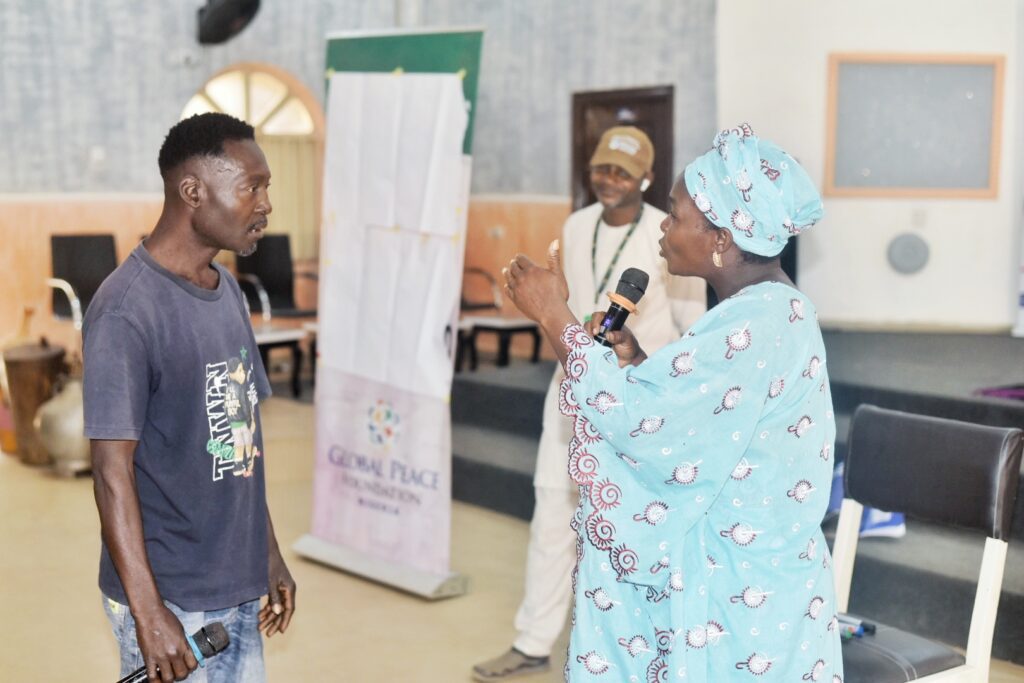
Participants practiced non-violent communication through role-playing exercises during a capacity-building workshop.
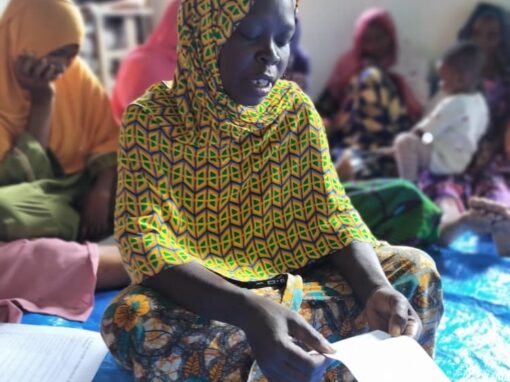
For instance, in Nigeria, GPF has conducted a series of initiatives revolving around interfaith dialogue, capacity building, and women’s leadership. In February 2026, Christian and Muslim women came together to participate in interfaith dialogue initiatives with the aim of promoting mutual harmony and understanding. They engaged in open conversation and worked hand in hand on community projects, bridging the gap between the faith communities and fostering trust between them. This initiative and women’s key role have shown that peace is achieved when we listen, understand, and collaborate. In another example, a capacity-building program on conflict analysis educated and trained women to understand the dynamics of conflict, the root causes, stakeholder mapping, and develop strategies for prevention and resolution. Lucy James, one of the participants, shared, “The tools we learned, like the Conflict Tree and Force Field Analysis, have given me a new perspective. I am committed to using these skills to bring lasting peace to Hayin Banki.”
In these programs, women were not just participants but active contributors and leaders, and GPF provided them with a platform to come together, share their experiences, learn, and have productive dialogues across differences. All these initiatives in Nigeria strengthened women’s capacity to learn and lead peacebuilding efforts.
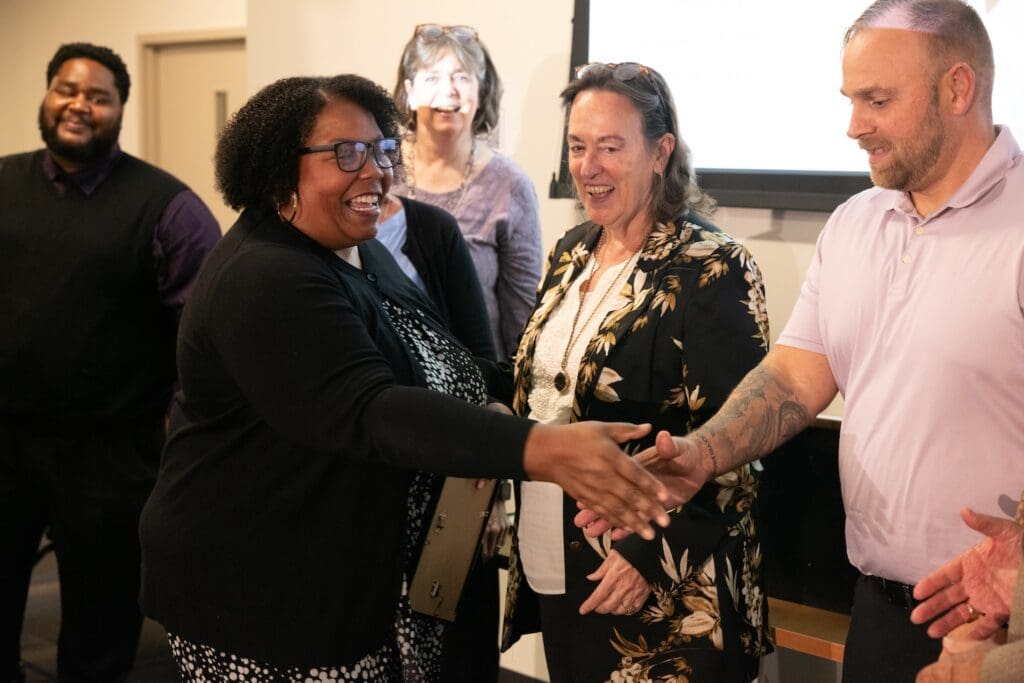
Baltimore participants in the Cross Community Reconciliation project.
Beyond Nigeria, in cities like Baltimore, USA, GPF helped develop projects like the Baltimore Cross-Community Reconciliation Project (BCCRP), which focuses on racial healing and reconciliation, bringing together communities to have meaningful dialogue to reduce racial bias and discrimination, increase understanding and empathy, and strengthen connections. BCCRP is led by passionate women like Robin McDonough, a powerful example that when women are at the forefront of peacebuilding, they come up with solutions that foster understanding, social cohesion, and justice.
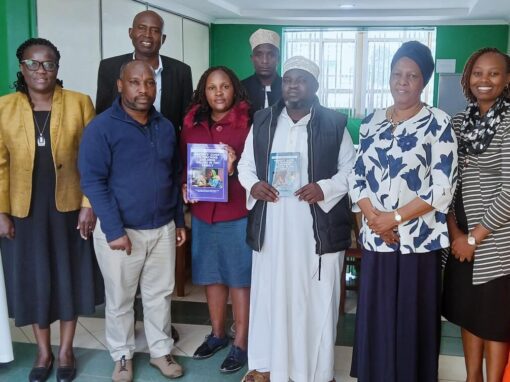
Likewise, last year in Kenya, GPF, together with GPW, brought together people from diverse backgrounds, with the theme of ‘Peace Begins in the Home’, emphasizing women as central and family as the foundation for peace and harmony in society. These initiatives were coupled with other peacebuilding initiatives, such as Sunshine Family Volunteers, which encourages service and develops a culture of family volunteering. In these initiatives, women are central, and their efforts have driven changes in their families and societies.
What connects these diverse initiatives across the world is that women are uniquely positioned to lead and bring positive change, starting from their communities. These interfaith initiatives, supported by GPF and GPW, often extend beyond dialogue into action, enabling women to navigate complex social and religious differences.
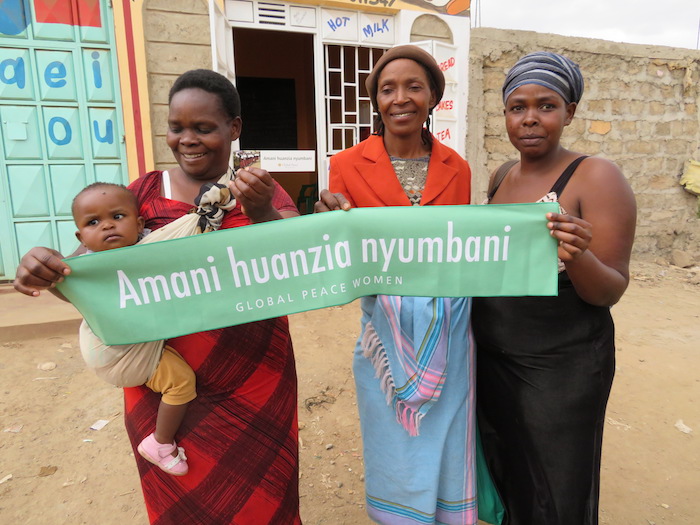
GPW Kenya supporters with banner saying “Peace Begins in the Home”
Women are leading collaborative service projects that address shared community needs, whether through education programs, health initiatives, or family-strengthening activities. These efforts create opportunities for individuals from different backgrounds to work together toward common goals, strengthening relationships and building trust in the process.
Women’s leadership in interfaith peacebuilding is particularly powerful because it is often rooted in shared human experiences. As caregivers, educators, and community leaders, women frequently emphasize values such as empathy, respect, and responsibility, values that transcend religious and cultural differences. By focusing on these common principles, women are able to reframe diversity as a source of strength rather than division.
Despite these impactful contributions, women remain underrepresented in many formal peacebuilding and interfaith decision-making spaces. Expanding opportunities for women’s participation is therefore not only a matter of equity but also a strategic necessity for building more inclusive and effective peace processes. Equally important is the recognition of women’s leadership and its impact, from families to communities and nations.
As we reflect on this year’s International Women’s Day theme, “Give to Gain,” the message becomes clear. When we invest in women by providing platforms, resources, and opportunities, we gain stronger communities, more inclusive leadership, and more sustainable peace. The stories and initiatives highlighted throughout this series demonstrate that when women are empowered to lead, the benefits extend far beyond individuals to families, communities, and entire societies.
For GPF, this commitment remains strong. Moving forward, GPF and GPW will continue to expand leadership opportunities, support women-led initiatives, and foster platforms for dialogue and cooperation across cultures and faiths. By strengthening the role of women in families and communities, GPF aims to build a future where peace is not only envisioned but actively practiced in everyday life.
As this blog series comes to a close, it also serves as a call to action. Empowering women is not the responsibility of one organization alone; it requires collective effort. Individuals, communities, and institutions all have a role to play in supporting women’s leadership, amplifying women’s voices, and creating spaces where women can lead and thrive.
In the spirit of “Give to Gain,” we are reminded that what we give in support, opportunity, and recognition returns to us in the form of stronger, more peaceful societies. By investing in women, we invest in a future defined by cooperation, resilience, and shared prosperity.
Join us in advancing women’s leadership and peacebuilding initiatives.