Reverend Mark Farr, GPCorps program manager
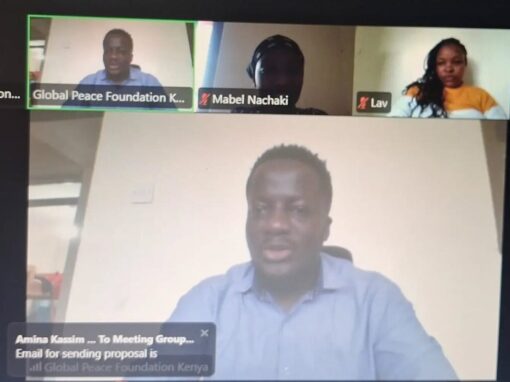
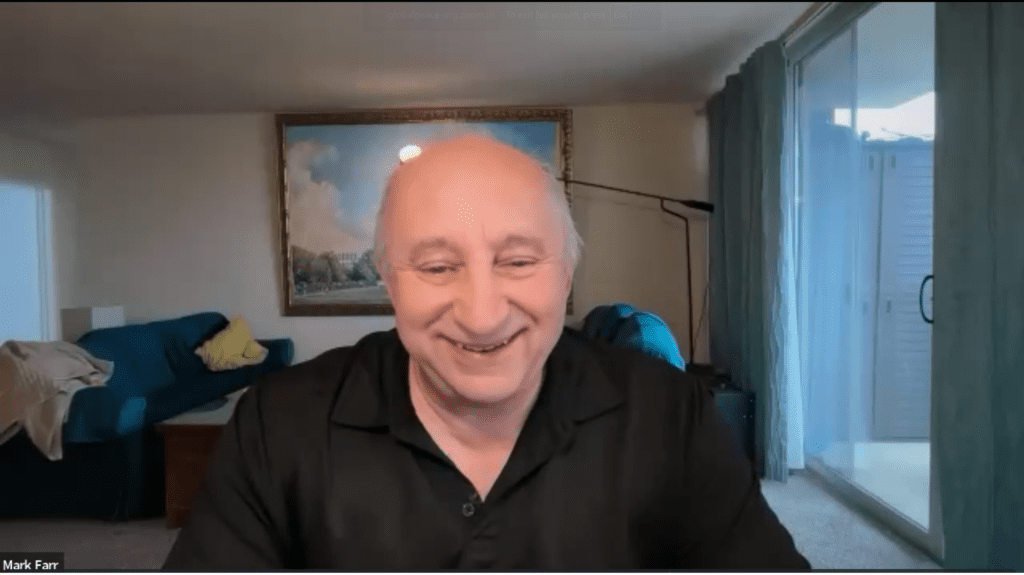
The Global Peace Foundation (GPF), through its Global Peace Leadership Corps (GPCorps), continues to create spaces where young leaders can engage meaningfully in peacebuilding efforts around the world. During the February 2026 GPCorps Network Call, participants from multiple countries gathered to exchange ideas, share experiences, and reflect on the role of youth in advancing peace. The session, hosted by Reverend Mark Farr, GPCorps program manager, brought together a diverse global audience, including participants from Kenya, India, Nepal, Bangladesh, Indonesia, and the United States. It served as a learning space to explore leadership, conflict resolution, and the human dimensions of peacebuilding.
Building Global Leaders through Learning and Action
Opening the session, Rev. Mark Farr highlighted upcoming opportunities within GPCorps, including the Certificate in Peacebuilding course, a nine-month leadership program designed to deepen participants’ understanding of peacebuilding principles while equipping them with practical leadership skills. He also introduced a forthcoming global initiative, “Run Around the World,” designed to unite GPF affiliates across continents through a shared activity promoting peace, community, and the idea of a global human family.
Challenging Assumptions: Do Youth Care About Peace?
The highlight of the session was a keynote presentation by Haley Heeryoung, Secretary General of Global Peace Youth Korea and a development cooperation scholar. Her work focuses on engaging young people in dialogue and action around peace and reunification on the Korean Peninsula.
Haley began with a provocative question: Do young people today really care about peace?
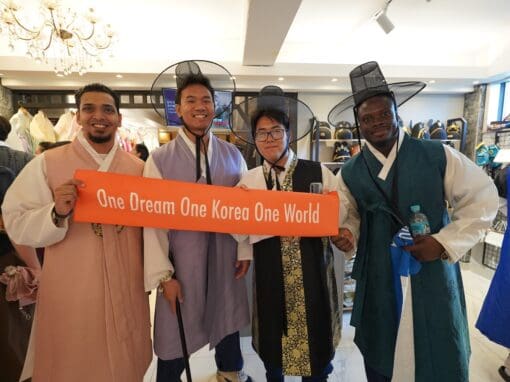
While many in South Korea assume that younger generations are disengaged from national and global issues, Haley’s work challenges this narrative. Through initiatives like the Korean Dream Crew, a youth-led platform launched in 2023, she has created opportunities for young people to actively participate in peacebuilding conversations and projects.
Each year, the initiative brings together university students, including South Koreans, North Korean defectors, and international students, to collaborate on peace-related content, leadership development, and community-driven projects. The program demonstrates that young people are not indifferent; they simply need accessible entry points for engagement.
Leadership Insights from Practice
Drawing from her experience, Haley shared three key leadership lessons that have shaped her approach to peacebuilding:
1. Letting Go of Control
Initially striving to manage every detail, Haley learned that effective leadership requires releasing rigid expectations. By focusing on those who show up and contribute, rather than on those who do not, she found greater clarity, reduced stress, and a deeper appreciation for participation.
2. Calmness as a Leadership Strength
In moments of crisis, a leader’s emotional state influences the entire group. Haley recounted a situation where a calm and composed hotel staff member diffused tension during a technical failure at a youth event. This experience reshaped her understanding of leadership, not as intensity, but as emotional steadiness.
3. Empowerment Requires Structure
While flexibility is important, complete freedom can create uncertainty. Participants in her programs often requested clearer guidelines, demonstrating that true empowerment comes from a balance between autonomy and structure. Effective leadership, she stressed, means being both supportive and directive.
Peacebuilding through a Human Lens
Connecting her leadership insights to the Korean context, Haley reflected on the ongoing division between North and South Korea. While political discussions often center on “peaceful coexistence,” she emphasized the human cost of separation: families divided for decades, unable to reunite because of geopolitical realities.
For Haley, peacebuilding is not just about diplomatic agreements. It is about human dignity, empathy, and the lived experiences of those affected by conflict.
She also drew parallels with other global conflicts, noting that ordinary people, families, and communities often bear the greatest burden. These realities, she said, fuel her commitment to working with young people as future leaders who will shape more humane approaches to conflict.
Learning through Dialogue and Practice
The session concluded with interactive discussions based on real-life leadership dilemmas.
In one scenario, participants explored how to respond to rising tensions during a cross-border youth initiative. Opinions varied, with some prioritizing emotional stabilization, others internal mediation, and some emphasizing clear public communication. The diversity of responses highlighted the complexity of leadership in conflict situations.
A second scenario examined how to balance freedom and structure in youth programs. Participants agreed that effective leadership lies in creating clear frameworks while allowing space for creativity and ownership.
These discussions pointed to the truth that peacebuilding is not a fixed formula, but a dynamic process requiring adaptability, empathy, and sound judgment.
Peace Begins Within
In closing, Rev. Mark Farr reflected on one of the most powerful insights from the session: peacebuilding starts within the individual. While global conflicts demand structural solutions, the foundation of lasting peace lies in how individuals lead, manage emotions, and build trust in everyday interactions.
As GPCorps continues to nurture young leaders worldwide, this integration of inner transformation and external action remains central to its mission. Through initiatives like these, GPF is not only shaping conversations about peace but also cultivating a generation equipped to live it.