Across schools, communities, and a national gathering in Arusha, Tanzania’s International Day of Peace 2026 put young people at the center of learning what peace means—and practicing it.
What does it mean to invest in peace?
For young people across Tanzania, the answer took many forms: learning how to resolve disagreements, standing against bullying, planting trees, speaking responsibly online, and using their voices to strengthen their communities.
As part of Tanzania’s International Day of Peace 2026 commemorations, school outreach activities brought peace education directly to students in Dar es Salaam, Pwani, Moshi, and Arusha, while the national commemoration in Arusha expanded the conversation to youth participation, digital responsibility, and community resilience.
Together, the activities carried one message: peace is not only something young people inherit. It is something they can help build.
Making peace practical
Led by YUNA Tanzania as part of the wider International Day of Peace program spearheaded by United Nations Tanzania and Global Peace Foundation (GPF) Tanzania, the school outreach engaged students across eight schools.
Through discussions, games, role-plays, and reflection, students explored peace as more than the absence of conflict. They examined respect and inclusion, bullying, resolving disagreements, responsible digital behavior, caring for shared spaces, and the role young people can play in their communities.
The “Seed of Hope” activity invited students to make personal commitments: to listen before judging, speak respectfully, stand against bullying, and include others.
The lessons then moved beyond the classroom.
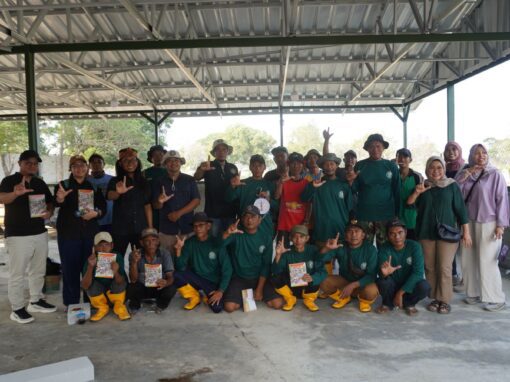
Students took part in tree planting, connecting this year’s International Day of Peace theme, “Invest in Peace – For Everyone, Everywhere, Every Day,” with environmental stewardship. More than 1,000 trees were planted with support from partners including Kilimanjaro Waters and TotalEnergies Tanzania.
The activity offered a simple but powerful lesson: peace, like the environment, needs care, patience, and shared responsibility.
From school communities to a national conversation
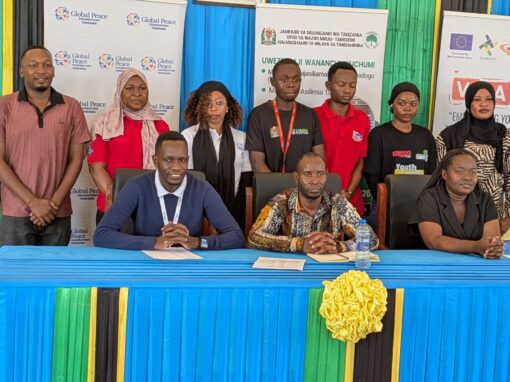
Those same ideas carried into Tanzania’s national International Day of Peace commemoration in Arusha.
Under the theme “Digital Voices for Peace: Empowering Youth as Champions of Stability and Resilience,” the gathering brought together government, the United Nations, civil society, the private sector, educational institutions, media, and young people.
The commemoration was spearheaded by United Nations Tanzania and Global Peace Foundation Tanzania through the International Day of Peace 2026 Commemoration Committee.
Opening the proceedings, Adv. Hussein H. Sengu, country director of GPF Tanzania, grounded the day in everyday relationships:
“Peace is not simply the absence of war. It is about creating an environment where people can listen to one another, respect one another, and live together without violence.”
That message echoed what students had already been practicing in schools.
Young people at the center
UN Resident Coordinator Susan Ngongi Namondo encouraged young people to recognize the influence they hold:
“Your voices matter. Use them to speak for those who cannot speak for themselves, and use your influence to inspire and bring others together.”
Youth Dialogues on Digital Voices for Peace and Youth, Peace and Security gave participants space to discuss meaningful participation, responsible communication, and constructive engagement.
Hon. Joel Arthur Nanauka, Minister of State, President’s Office, Youth Development, and guest of honor, emphasized the importance of learning how to disagree without allowing differences to become conflict:
“Young people need to be equipped with the skills to resolve conflicts. We should build a culture where we can disagree, discuss, and exchange ideas respectfully.”
The message was especially relevant in digital spaces, where misinformation, polarization, and conflict can spread quickly.
Peace beyond one day
Arumeru District Commissioner Hon. Mwinyi Ahmed Mwinyi, speaking on behalf of Arusha Regional Commissioner Amos Makalla, reinforced that peace requires ongoing responsibility:
“Peace is not something we wait for; it is something we must protect and value every day.”
By the time the national commemoration took place, that work was already visible.
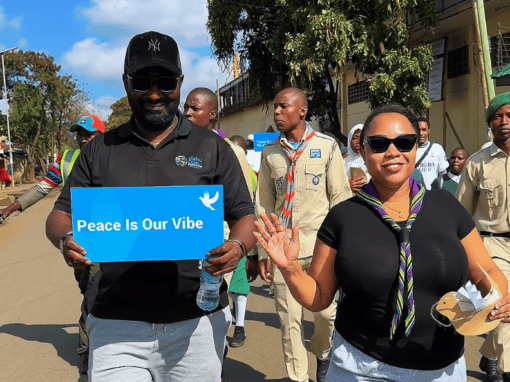
It had begun in classrooms through peace education. It had taken root through tree planting. It continued through the Peace Walkathon, youth dialogue, and digital mentorship.
Seen together, these activities show how peacebuilding can move from learning to practice, and from individual choices to community action.
For Tanzania’s young people, the message was clear:
Peace is not only something to commemorate. It is something to practice—in classrooms, communities, online spaces, and in the choices people make every day.