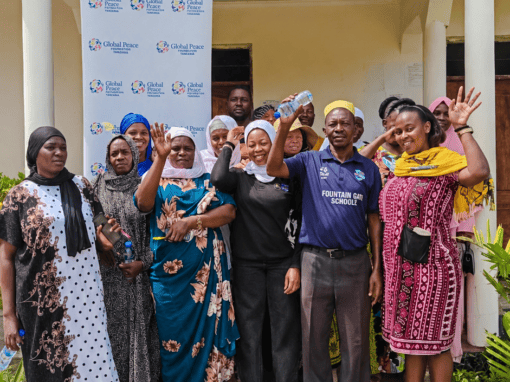
Women are the heartbeat of their families and communities, often working quietly and untiringly to create a nurturing home environment while striving to generate positive change. Providing them with the right tools and skills is essential to building their confidence and creativity. Understanding this, the Global Peace Foundation (GPF) Nepal sponsored several activities during March to bring women together to share experiences, connect, and gain the knowledge and practical skills they need to grow, learn, and become moral and innovative leaders. The activities were carried out under two programs: Saksham Nari Cohort II and Capacity Building of Women, both dedicated to empowering women.
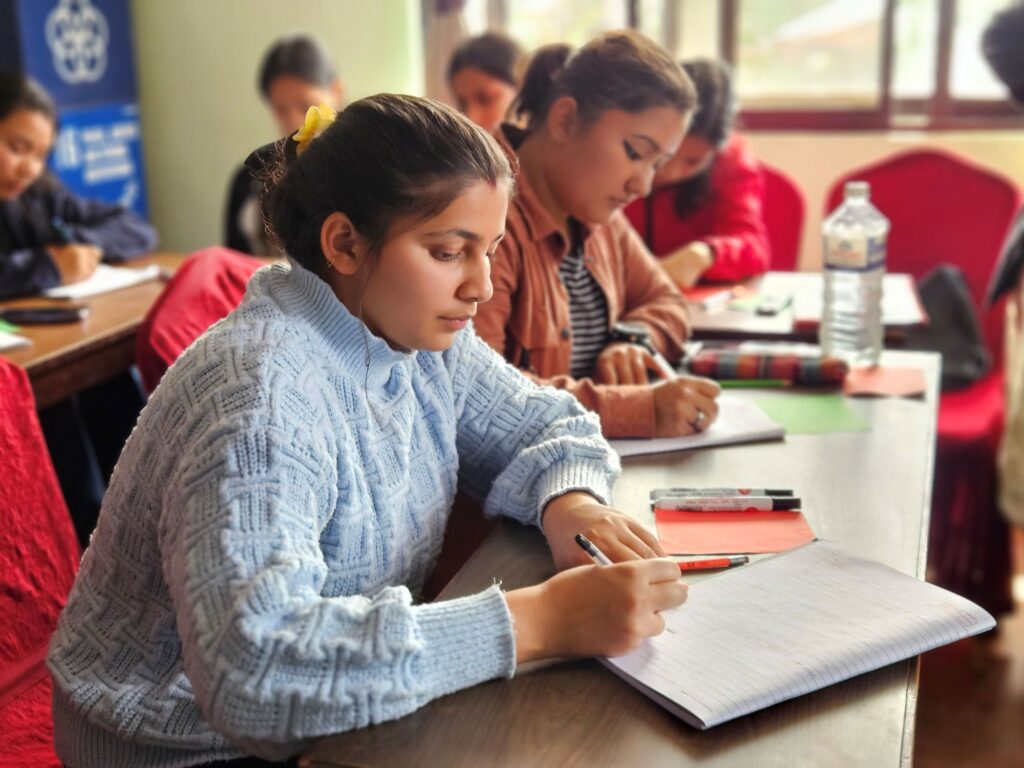
Proposal writing workshop participants
Saksham Nari’s Cohort II continued with three capacity-building sessions: a two-day “Proposal Writing” workshop on March 16-17, a “Values-Based Peacebuilding” session on exploring personal and shared values in peacebuilding in families and communities on March 24, and a hands-on “Digital Literacy” workshop on March 31. These sessions highlight the importance of combining technical skills with core values for women to create a strong and sustainable foundation.
The “Proposal Writing” workshop provided participants with the fundamental steps to develop a clear and well-structured proposal. Reflecting on the session, participant Sudina Phuyal shared, “The session was very useful for me as I did not know about proposals before. This session helped me to know what a proposal is and its importance. I am now confident to draft simple proposals for the community projects. I am looking forward to more insightful sessions like this.”
In the “Values-Based Peacebuilding” session, the Saksham Nari fellows engaged in a reflective gathering on values, including empathy, respect, responsibility, and service, and how they play a vital role in shaping individual attitudes and everyday life. Participants took part in interactive discussions and activities that increased their knowledge and understanding of conflict transformation and strengthened their emotional awareness, inspiring them to become active peacebuilders in their families and communities.
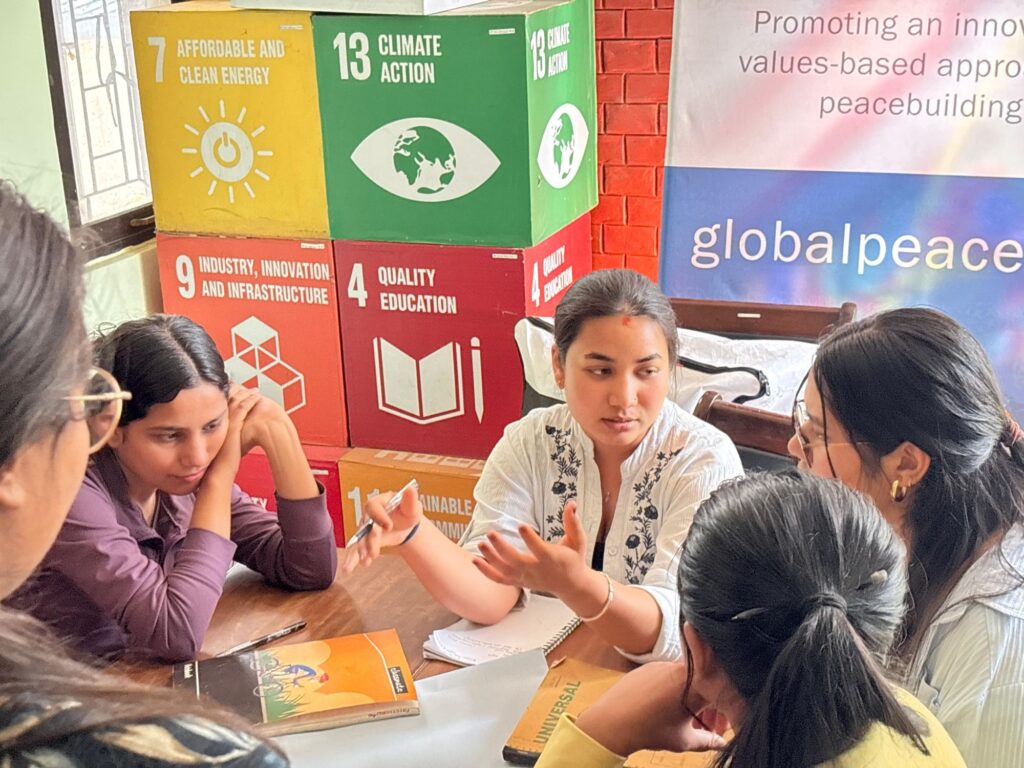
Values-Based Peacebuilding workshop participants
“Digital Literacy” was the focus of the third session, where trainer Mamita Bhandari introduced the fellows to the essential tools and practices for using digital platforms to communicate and learn in a safe and responsible manner. She also stressed the importance of building and maintaining a strong digital footprint. Participant Nitu Kumari reflected, “I truly gained useful knowledge from this session and look forward to applying these skills in my daily activities.”
The Capacity Building of Women program featured a series of structured sessions conducted in collaboration with Nepal Soka Gakkai International. A total of 59 women attended the sessions that included a three-day “Pickle Making” training on March 23-25, followed by a community service activity on March 26, a session on “Peace Begins in the Home” on March 27, and concluding with a session on “Strengthening Family Bonds through Love Language” on March 28. Each session was designed to enhance the women’s competence to navigate their daily lives by equipping them with practical skills, enhanced knowledge, and increased confidence.
The “Pickle Making” training provided the participants with both theoretical knowledge and practical hands-on experience. In addition to teaching eight types of pickle recipes, trainer Mira Kumari Bajgai equipped the participants with essential business knowledge and marketing techniques. Expressing gratitude for the training, participant Deepa Nepali commented on its dual nature, “The training not only taught us how to make pickles but also made us reflect on our importance within our own families.”
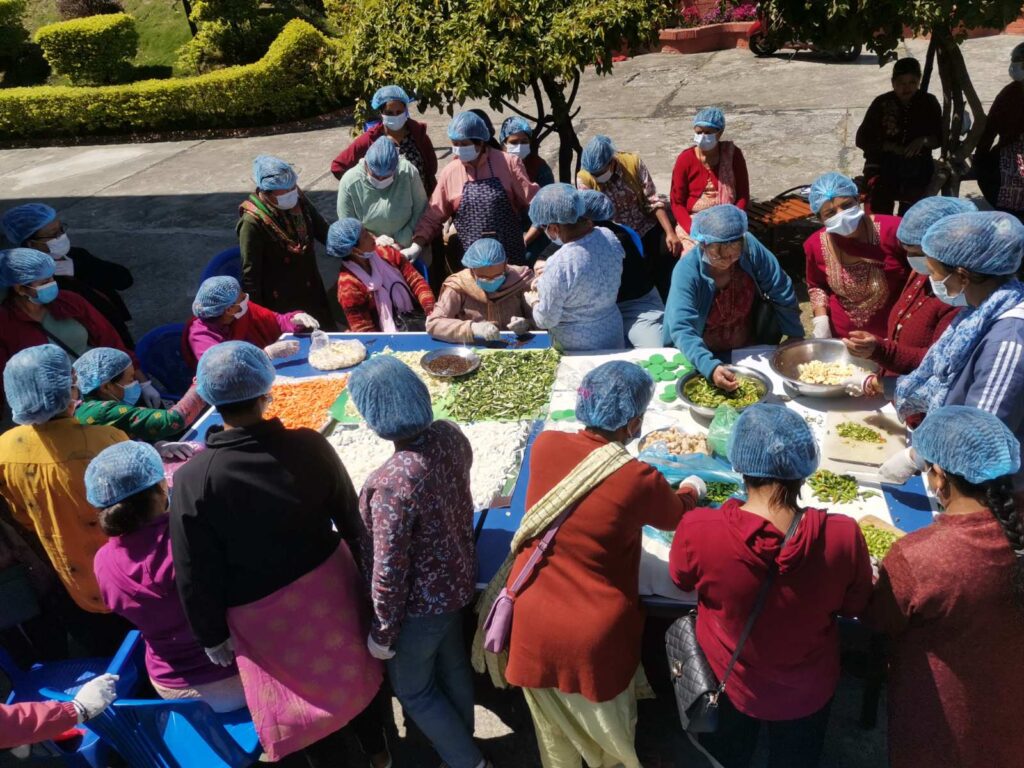
Pickle-making training participants
The day after the training, participants took part in a community service activity, cleaning their surrounding area. This shared effort fostered collective ownership and responsibility for creating a more sustainable and healthier environment, while also reinforcing the importance of community hygiene.
Family harmony is the foundation upon which community harmony is built. As such, the “Peace Begins in the Home” session engaged participants in a series of discussions to empower women with practical approaches to fostering peaceful relationships within their families and communities. Core values, including dreaming big, ownership, teamwork, and living for the greater good, were highlighted to emphasize the vital role women play in peacebuilding. Participants actively engaged throughout the workshop, sharing their personal experiences on how they maintain harmony and manage conflicts within their families.
Highlighting the importance of emotional connection within families, the final session of the program, “Strengthening Family Bonds through Love Language,” introduced participants to Dr. Gary Chapman’s concept of the Five Love Languages—Words of Affirmation, Acts of Service, Receiving Gifts, Quality Time, and Physical Touch. After taking a Love Language Test to identify their personal love language, participants engaged in discussions on how small acts of love help to create peace and harmony within families and communities. The session underscored how everyday behavior centered on empathy and communication can nurture happier, healthier relationships.
Both programs, Saksham Nari Cohort II and Capacity Building of Women, highlight the importance of empowering women with the knowledge and practical skills they need to become values-based, moral, and innovative leaders. By motivating women to take an active role in their families and communities, these programs lay the foundation for nurturing harmony and creating social cohesion and sustainable peace. The Saksham Nari sessions continue to empower women in April with sessions on financial literacy and soapmaking.