African young people are being called to embrace ethical leadership, rediscover the continent’s history and identity, and take greater responsibility for building an Africa where they can thrive.
This message was at the center of the Ubuntu Africa Youth Assembly Series II, hosted online by the Global Peace Foundation under the theme “Building Hope at Home: Ubuntu, Ethical Leadership, and Creating an Africa Where Every Young Person Can Flourish.”
The virtual forum featured H.E. Ambassador Dr. Arikana Chihombori-Quao, founder and president of the African Diaspora Development Institute, who delivered a powerful address on African identity, education, leadership, economic independence, and the role of young people in shaping the continent’s future.
The assembly brought together hundreds of young Africans for a timely conversation on how the principles of Ubuntu, responsible citizenship, and ethical leadership can help drive Africa’s transformation from within.
Transformation must begin with the mind
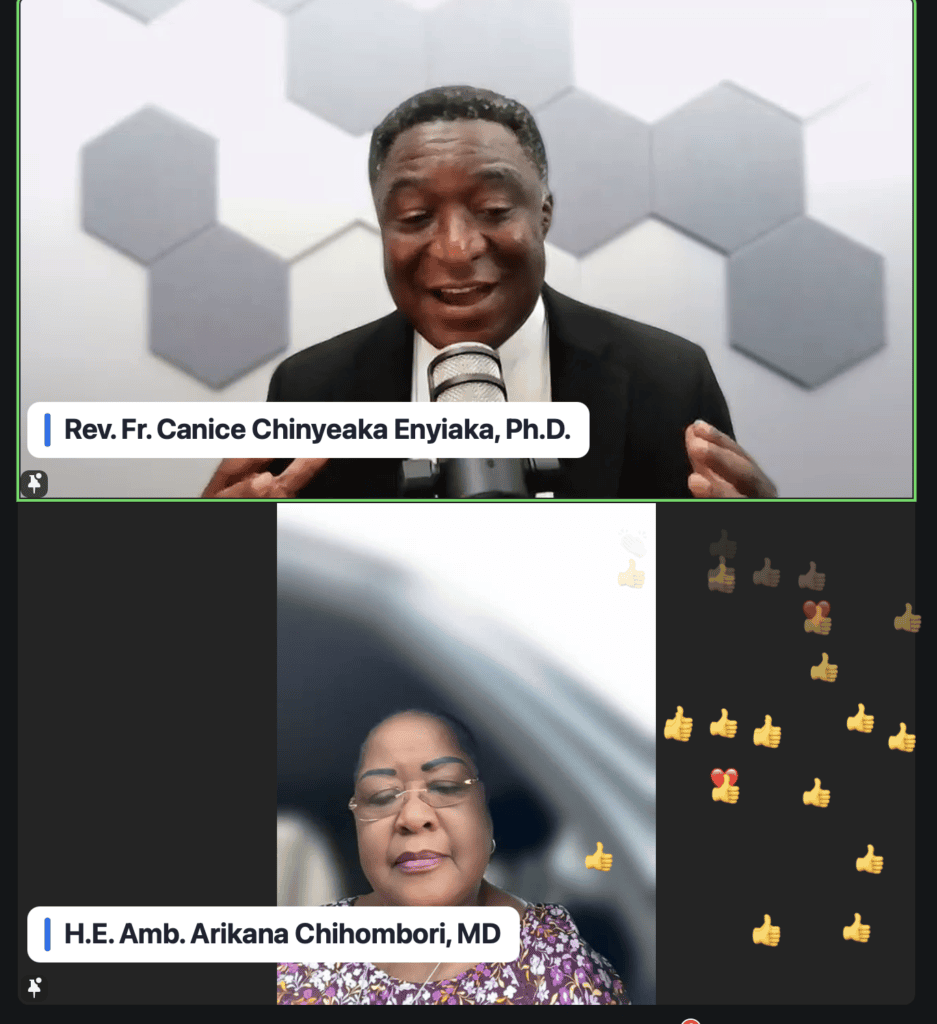
ARI Youth Webinar 2026 Screenshot
Amb. Chihombori-Quao argued that Africa’s transformation must begin with changing how Africans understand themselves, their history and their potential.
She questioned why, decades after independence, many African education systems continue to give insufficient attention to African thinkers, independence leaders, and Pan-African intellectual traditions.
She urged education authorities to rethink curricula so that young Africans grow up understanding both their heritage and their responsibility for the continent’s future.
“Our children do not know our history,” she observed, emphasizing that education should help young Africans develop confidence in their identity while preparing them to compete globally.
She also called for greater appreciation of African languages and locally relevant approaches to education. Mathematics, science, agriculture, mining, technology, and entrepreneurship, she argued, should be connected more closely to the everyday realities of African communities.
Africa must create value and jobs at home
A major focus of the discussion was Africa’s enormous natural-resource wealth and the continuing challenge of turning that wealth into prosperity and employment for its people.
Amb. Chihombori-Quao argued that exporting natural resources without sufficient local processing deprives African economies of jobs, industries, and revenue.
“Value addition is how we create jobs,” she said, calling on African countries to build industries around their natural resources rather than remaining principally exporters of raw materials.
She challenged young Africans to think beyond seeking employment and increasingly see themselves as creators, innovators and participants in building productive African economies.
The discussion also highlighted the importance of deeper African economic integration. Amb. Chihombori-Quao advocated greater freedom of movement, expanded intra-African trade and stronger continental cooperation as necessary foundations for realizing the promise of the African Continental Free Trade Area.
Young people must become builders
Turning to youth leadership, she emphasized that Africa’s young population represents an extraordinary opportunity, but only if young people are equipped with the character, knowledge, experience and sense of responsibility necessary to lead.
She cited examples of youth volunteerism and public participation in Burkina Faso to illustrate how young people can contribute directly to national development rather than viewing government as solely responsible for solving society’s problems.
Her message echoed the principle: “Ask not only what your country can do for you, but what you can do for your country.”
She encouraged young graduates to seek opportunities to acquire practical experience, volunteer, develop skills, participate constructively in public life, and contribute to solving problems within their communities.
At the same time, she stressed that governments and older generations have a responsibility to deliberately mentor and prepare young people for leadership.
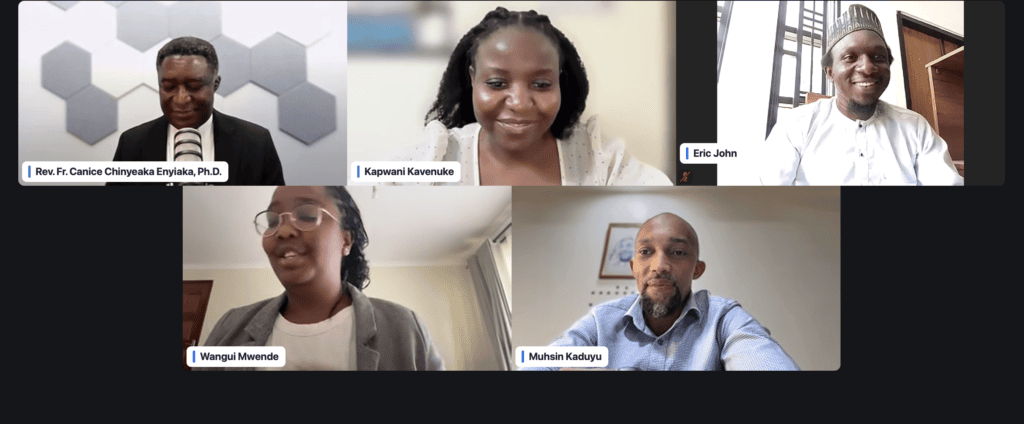
ARI Youth Webinar 2026 Screenshot
Ethical and informed youth participation
The webinar also addressed youth participation in politics and governance. Amb. Chihombori-Quao cautioned young people against allowing legitimate frustrations to be manipulated into destructive actions that ultimately harm their own communities.
She urged youth to become informed citizens who critically interrogate political messages, understand their countries’ histories and economies, and participate peacefully and constructively in democratic processes.
She further called for greater dialogue between generations, arguing that parents, educators, governments, and community leaders must do more to help young people understand Africa’s history and the complex forces shaping contemporary governance and development.
Building hope at home
The central message emerging from the Assembly was that Africa must become a continent where young people can see a future for themselves.
Building that future, participants heard, will require more than political promises. It will require ethical leadership, quality and relevant education, stronger African economies, productive employment, entrepreneurship, responsible citizenship, and a renewed culture of service.
The Ubuntu Africa Youth Assembly Series provides a platform for young Africans and established leaders to engage on the continent’s future through the African philosophy of Ubuntu—recognizing our shared humanity and responsibility for one another.
Through the initiative, the Global Peace Foundation seeks to inspire a generation of African young people who do not merely ask what Africa will become, but recognize their responsibility to help build it.
The webinar concluded with a compelling challenge to Africa’s youth: the continent possesses tremendous human and natural resources, but its future will ultimately depend on Africans believing in their own capacity, working together across borders, and translating that confidence into constructive action.
For Africa’s young generation, the message was clear: hope at home must not simply be awaited—it must be built.