When we think about achieving peace, we often picture international negotiations, ceasefires, or efforts to end violent conflicts. These efforts are essential, but they represent different approaches to advancing peace. Peacekeeping focuses on maintaining stability and preventing renewed violence, while peacemaking involves dialogue, negotiation, and other efforts to resolve active conflicts.
Peacebuilding, however, extends beyond these efforts. It is a long-term process that addresses the underlying causes of conflict and strengthens the relationships, values, and conditions necessary for sustainable peace. At the Global Peace Foundation (GPF), peacebuilding begins with the recognition that every person has inherent dignity and a meaningful role to play in shaping peaceful communities. Through a values-based approach, GPF emphasizes shared humanity, moral leadership, and collective responsibility, recognizing that lasting peace is built not only through institutions and agreements but also through the everyday choices and actions of individuals working together for the greater good.
Research from the UN and World Bank’s Pathways for Peace similarly highlights the importance of conflict prevention, community participation, and inclusive approaches to sustainable peace.
Across its global initiatives, GPF works with local communities to put these principles into practice. Here are five practical steps anyone can take to help build peace in everyday life.
1. Choose dialogue when differences create distance
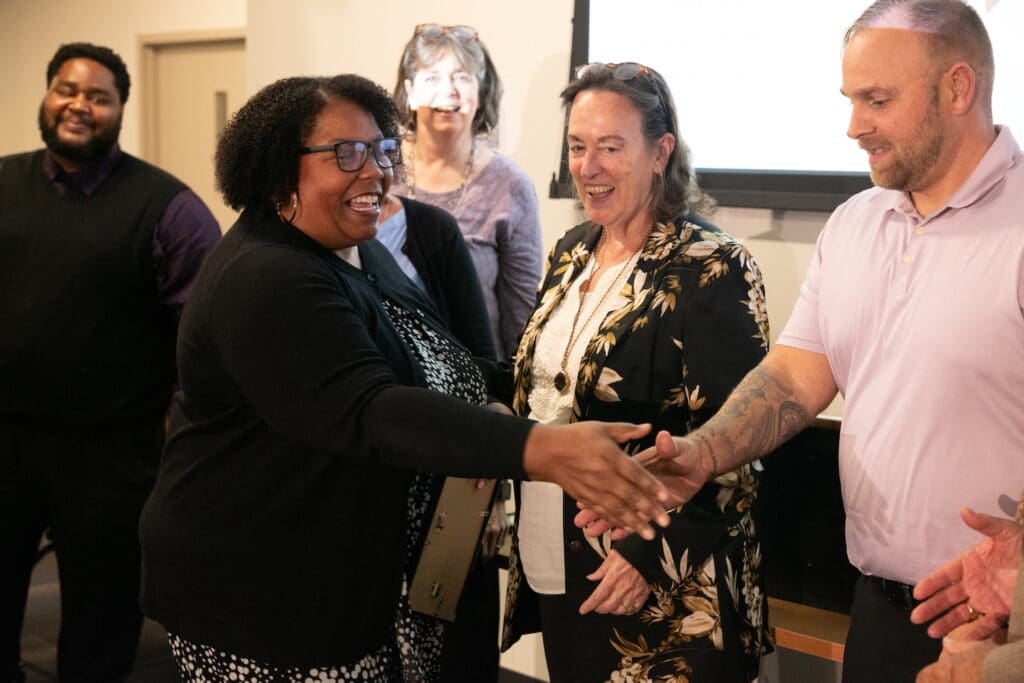
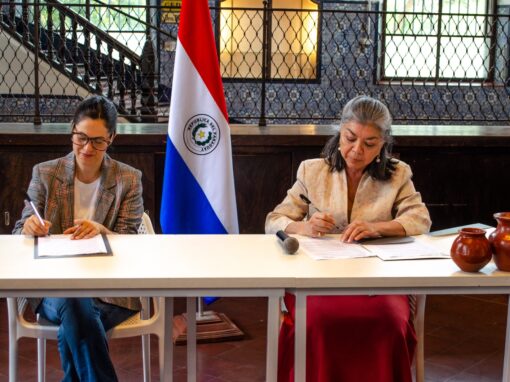
Baltimore participants in the Cross Community Reconciliation project.
When people have little opportunity to interact with those from different backgrounds, assumptions and stereotypes can shape how they understand one another. Dialogue creates space for people to listen to experiences they may not have encountered before, discuss difficult issues, and build relationships across differences. GPF’s Baltimore Cross-Community Reconciliation Project provides an example. Launched in 2024 following an earlier pilot, the project brought Baltimore residents together for sustained conversations about race, history, personal experiences, and shared humanity. Participants took part in ten in-person sessions over six months and later worked together on a community service project. The program was designed to reduce racial bias and discrimination, increase understanding and empathy, and strengthen connections among Baltimore residents.
The project reflects GPF’s emphasis on shared humanity: recognizing the dignity of every person while acknowledging and respecting differences. One participant, Nadya Ellis, described the importance of giving communities an opportunity to “see each other as a person.”
The same principle can apply in everyday relationships. A teacher can encourage respectful conversations between students from different backgrounds. A community organization can bring groups together to discuss a local concern. Colleagues can address disagreements directly instead of allowing resentment to grow. Dialogue does not require people to agree on everything, but it can help them understand one another and manage disagreement without turning it into hostility.
2. Learn the skills to manage conflict
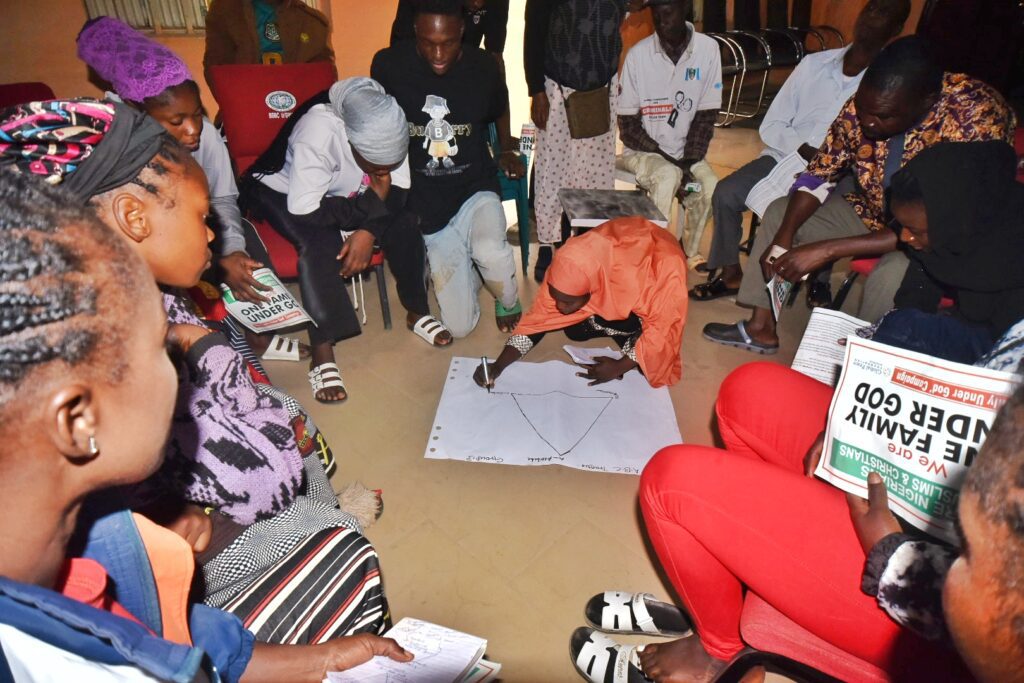
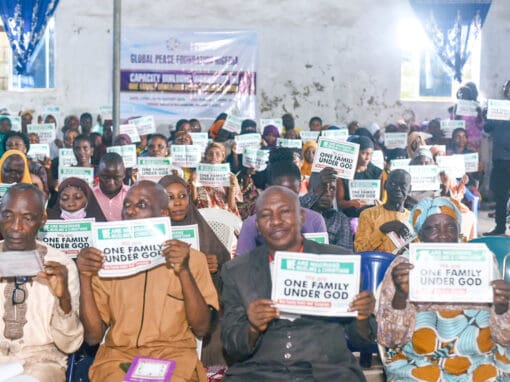
Community leaders participate in a workshop on conflict analysis hosted by Global Peace Foundation.
Peacebuilding requires more than good intentions. Understanding how conflicts develop, identifying different interests, communicating without escalating tensions, and facilitating difficult conversations can help people respond more constructively when disagreements arise.
GPF Nigeria has invested in developing these skills at the community level. In January 2026, it convened a two-day workshop on conflict analysis, interfaith engagement, and mediation, bringing together more than 110 religious leaders, youth, women, community members, and GPF Nigeria staff. Participants learned practical tools including conflict-tree analysis, stakeholder mapping, conflict timelines, and force-field analysis, alongside dialogue principles, nonviolent communication, empathy, and respectful listening.
These skills can be applied in many situations. A teacher may need to help students resolve a disagreement, a community leader may need to bring different groups together after tensions emerge, or a religious leader may encounter disagreements between members of different faith communities. Young people can also find themselves trying to calm tensions among peers.
Not every disagreement requires professional mediation, but communities are better equipped to manage tensions when more people understand basic conflict analysis and communication skills. GPF Nigeria’s work on local capacity for conflict analysis, interfaith engagement, and mediation demonstrates how this knowledge can be developed within communities and applied to real situations.
3. Bring people together around shared responsibilities
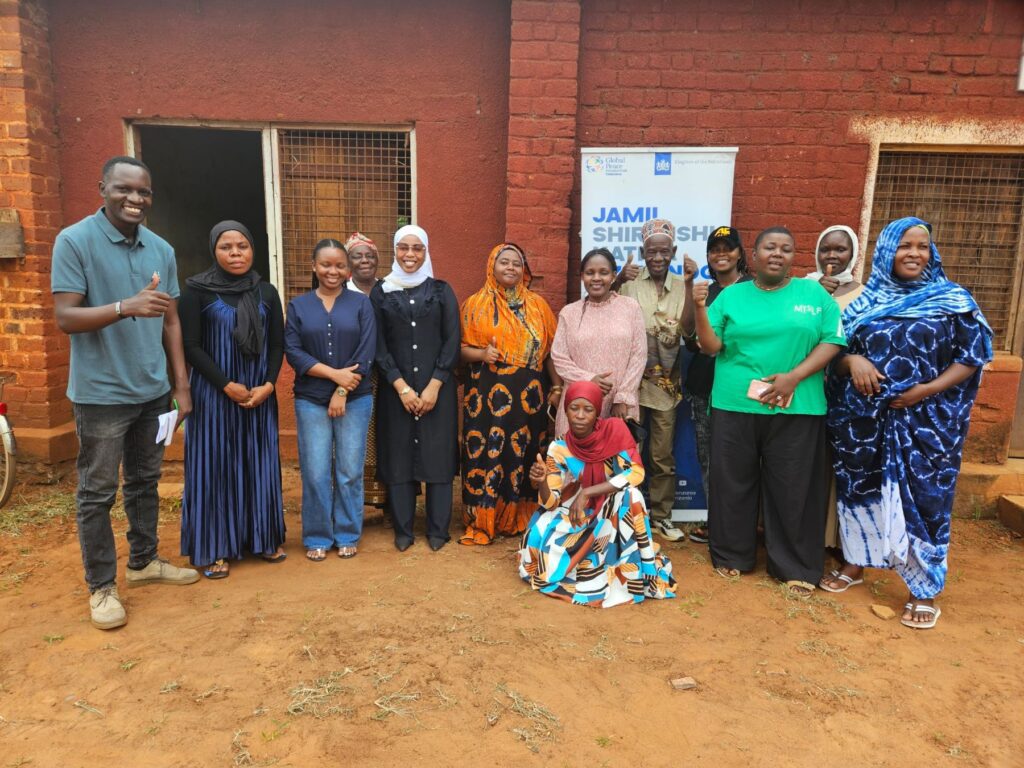
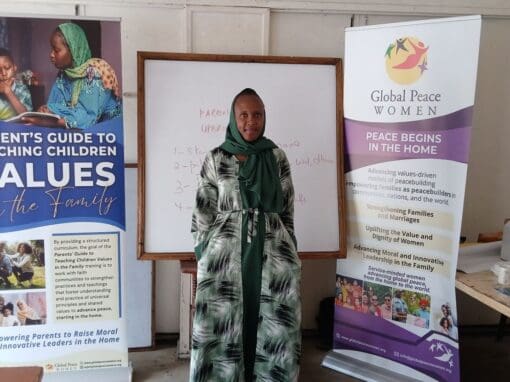
Participants of the EKN Project monitoring visit
People who rarely interact can build stronger relationships when they work together on an issue that matters to everyone. Community service and other forms of cooperation can create opportunities for people to work across social, religious, ethnic, or generational differences while addressing practical problems.
Recent work by GPF Tanzania illustrates this approach. In January 2026, GPF Tanzania implemented and monitored peacebuilding initiatives across southern Tanzania, including community engagement on conflict prevention and gender-based violence prevention, strengthening local peace structures, and youth dialogue on ethical participation during the national election period. Monitoring findings showed increased knowledge of nonviolent conflict resolution, stronger collaboration between communities and local leaders, and growing participation by women and youth in peace and development processes.
In Nachingwea District, the work also focused on strengthening communication between citizens and law enforcement, improving reporting mechanisms, and building community capacity to prevent and address conflict. These efforts demonstrate how cooperation around shared concerns can improve relationships between communities and institutions.
This approach can take many forms, including volunteering, community initiatives, environmental projects, youth programs, or efforts to improve neighborhood safety. Working together does not eliminate differences, but it gives people opportunities to cooperate, develop trust, and take responsibility for issues that affect their wider community. GPF’s Tanzania community peacebuilding work provides an example of how these relationships can support conflict prevention.
4. Recognize the unique contribution of each person
Peacebuilding also depends on recognizing the unique perspectives and contributions people bring to decisions that affect their lives. When people are excluded from discussions about problems within their communities, important experiences and concerns can be overlooked, and grievances can become harder to address.
The Pathways for Peace study emphasizes inclusive approaches to conflict prevention and specifically highlights the participation of women and young people in decision-making. GPF’s community work similarly brings together traditional rulers, religious leaders, women, youth, government representatives, security agencies, and other stakeholders to discuss local challenges.
Different groups can experience the same conflict or community problem in very different ways. Young people may offer perspectives that differ from those of older generations, while women may bring experiences and insights that enrich community discussions. Religious and traditional leaders may have forms of community influence that government institutions do not, while people living with disabilities may identify barriers that others have never considered.
A peacebuilder can therefore recognize the value each person brings to a discussion and ensure different perspectives are heard and respected. Meaningful inclusion gives people an opportunity to contribute to solutions and take responsibility for the future of their communities.
5. Act before tensions become a crisis
Peacebuilding is stronger when communities have the ability to respond to tensions before they escalate into violence. The UN’s approach to conflict prevention focuses on stopping tensions and disputes from becoming violent conflict, while peacebuilding strengthens the capacities needed to manage conflict and sustain peace.
Early action can also begin in everyday situations. A teacher may notice growing hostility between students and create an opportunity to address it. A community member may hear increasingly negative stereotypes about another community and challenge them before they become accepted as fact. A religious leader may recognize growing tension between congregations and encourage communication. A community volunteer may notice that groups that once worked together have stopped communicating and help reopen those channels.
Recognizing these signs does not mean that every disagreement will become a crisis. It means paying attention to changes in relationships and addressing concerns while there is still an opportunity for constructive dialogue and cooperation.
Everyone can contribute to peacebuilding
Peace is not built by governments and institutions alone. It grows through the choices individuals make to understand others, take responsibility for their communities, and work together across differences.
GPF’s work in Baltimore, Nigeria, and Tanzania shows how dialogue, conflict-management skills, cooperation, inclusion, and early action can strengthen communities and help prevent tensions from escalating.
Ordinary people can contribute by building relationships, addressing disagreements constructively, and working with others to create communities where differences can be managed peacefully. The opportunity to build peace is already present in the communities around us; the next step is to recognize where we can make a difference and take action.