

Volunteers line up to load relief supplies onto trucks for typhoon victims.
To mark this year’s International Day of Peace, we’ve launched a special blog series. Centered around the theme “Actions for Peace: Our Ambition for Global Goals,” today’s post explores practical steps we can take in our daily lives to foster peace, harmony, and tolerance.
True and lasting peace requires efforts not just from the state and national levels but also from the individual level within our family and community. Nurtured in small moments, from the way we treat our neighbors to building understanding despite our differences, each act creates ripple effects that extend far beyond what we can see.
Here are five ways we can start our peacebuilding from the inner sphere of our personal lives that extends beyond.
Listen with Empathy: Oftentimes, when we talk with others, we have our preconceived notions that may cloud our judgment and in the way we view things. Especially when the other person has differing views, we tend to listen to respond rather than to truly understand. We can find ourselves imposing our own views and perspectives rather than trying to understand their side. This creates walls instead of bridges, limiting the possibility of addressing differences and meaningful dialogue. So, approach conversations with genuine curiosity and openness with space for empathy and deeper conversation, even across differences. This can be in your daily interactions with your parents, siblings, friends, and colleagues. You can have differing views but still listen while creating a safe space for tolerance and peace to thrive.
Serve Your Community: Try Volunteering. A very important aspect of peacebuilding, volunteering nurtures social cohesion, builds civic responsibility, and supports community development. Be it your time, resources, or your skills, volunteering fosters solidarity. Volunteering does not require large-scale projects; it can begin with small, everyday actions. You can look into your neighborhood and find issues or places where you can contribute. For instance, you might volunteer at a local shelter or food bank, spend time with the elderly in retirement homes, help organize fundraisers for issues close to your heart, coach a sports team, or even help someone learn digital skills. They might be small acts of kindness or service, but they warm people’s hearts. The simplest of actions contribute to stronger, compassionate communities. Incorporating volunteerism in our everyday lives reminds us that peace is a practice of kindness, care, and responsibility toward one another.
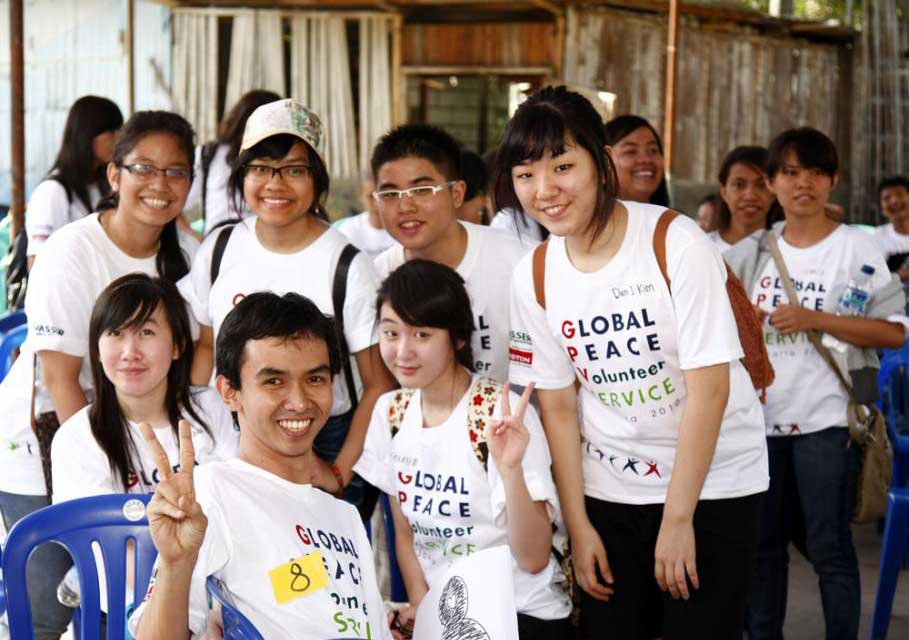
Global Peace Volunteers express happiness as they serve surround communities in Jakarta, Indonesia.
Show Gratitude Daily: Gratitude has a positive effect on the overall well-being of people. Expressing gratitude grounds us and shifts our focus to what we have in the present rather than worrying about the past or future, nurturing contentment and empathy. Most importantly, gratitude is a great way to practice peace. The smallest of gestures, like leaving a note of thanks or sending a quick message of appreciation, or just listing things you are grateful for today, can relieve stress, diffuse tension, and remind people that they are valued. So, thank your family member for cooking or your friend for coming with you to your doctor’s appointment, or your colleague for their help, or even the stranger who held the door open for you. Although small, this creates an atmosphere of respect and goodwill. When we make it a habit to recognize the contributions of others, we strengthen relationships and reduce misunderstandings. This way, gratitude becomes a powerful daily practice of peace, reinforcing the bonds of trust and shared humanity that hold families, friends, and communities together.
Address Conflicts Constructively: In our daily life, conflicts arise, be it with siblings, parents, friends, or even strangers. However, holding onto them does more harm than good. Instead of letting resentment linger, take the initiative to apologize or forgive when misunderstandings arise. Whether it’s with a sibling, a friend, or a co-worker, choosing reconciliation over pride nurtures stronger bonds and prevents small disagreements from growing into deeper divisions. Practicing forgiveness in everyday situations cultivates peace at the most intimate level—within families, friendships, and workplaces.
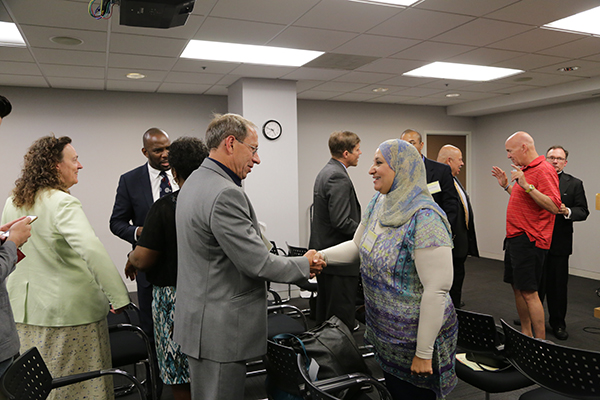
Forum participants network at Global Peace Foundation and SDI forum.
Patience in Daily Interactions: Peace often breaks down in the small, ordinary frustrations of life—traffic jams, long queues, or waiting for someone who’s running late. Choosing patience instead of irritation keeps our inner calm intact and prevents negativity from spilling over into our interactions with others. While it is easier said than done, we can still cultivate the habit of patience. When we meet daily challenges with patience, we create a ripple effect of understanding and calm that contributes to a more peaceful environment.
Self-Care: When your inner world is at peace, it shows outwardly. While all the above tips are important, the act of self-care is equally important. When you are at peace, you can handle people and situations better. So, don’t forget to take care of yourself while navigating life and the world. Mental, emotional, and physical well-being are all important, giving us clarity and compassion. Take some time for yourself and do things for yourself. Practices like mindful breathing, exercise, or reflecting on our feelings help us maintain balance and respond to challenges peacefully.
When we practice peacebuilding every day, we create a foundation for communities to thrive. This individual commitment to peace becomes a powerful force that ripples outward, transforming families, workplaces, schools, and neighborhoods. No matter who we are or where we come from, we all have a role to play.
As we honor the International Day of Peace, let us remember that peacebuilding is not a one-time event but an ongoing process embedded in everyday life. It begins with the choices we make within our families, schools, workplaces, and neighborhoods. Reflect on the steps above and choose one that resonates with you. Set a personal goal to practice peace intentionally, whether that means starting a conversation across divides, volunteering locally, or simply listening more deeply.
Finally, remember to share your peacebuilding journey with friends and family so you can inspire others by showing how small, consistent actions can transform communities. Consider supporting organizations dedicated to grassroots peace efforts, amplifying the impact of your actions beyond your immediate circle.