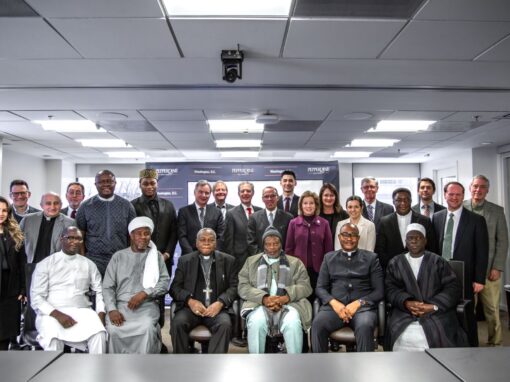
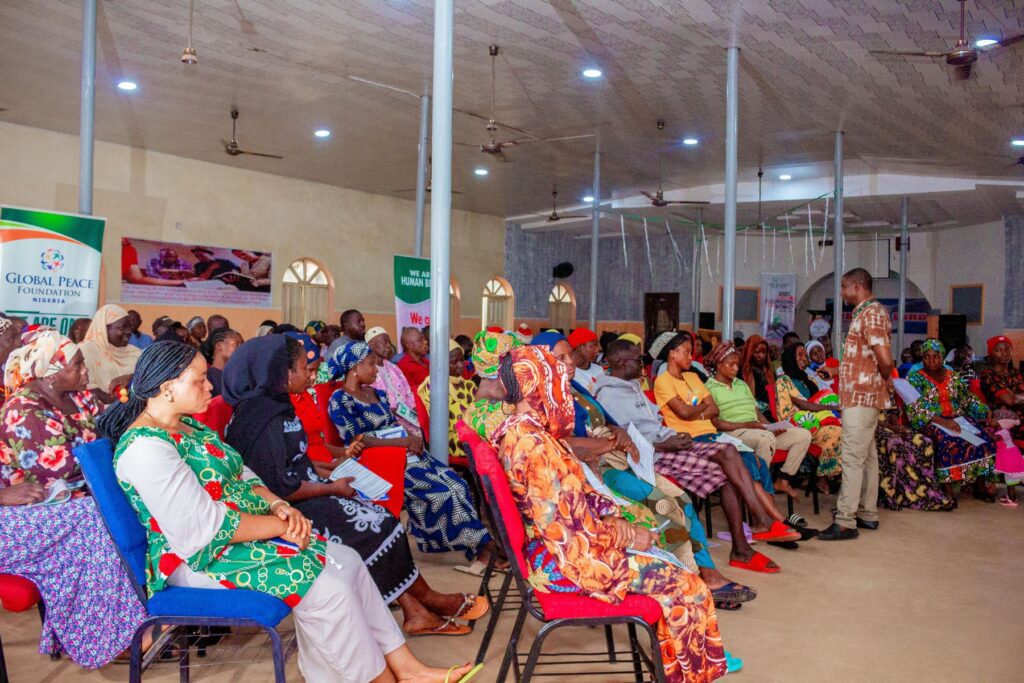
Cross-section of participants during the workshop
The Global Peace Foundation (GPF) works around the world to uphold one of the most essential human rights: the freedom of conscience, belief, and religion. GPF affirms that if this primary freedom is not respected, other human rights will not be either. Its global initiatives encourage dialogue and cooperation among people of all faiths and none, advancing the idea that every person, regardless of background or belief, belongs to one human family. GPF’s efforts seek to foster a world where individuals can live with dignity and mutual respect, guided by conscience and compassion.
In Nigeria, this vision has found a strong expression through programs that strengthen interfaith understanding and build peaceful communities. Nigeria’s diverse religious and ethnic landscape offers great richness but also calls for continuous engagement to bridge divides. Recognizing this, the GPF Nigeria has been working with faith leaders, community elders, women, and youth to nurture respect, trust, and collaboration across belief systems.
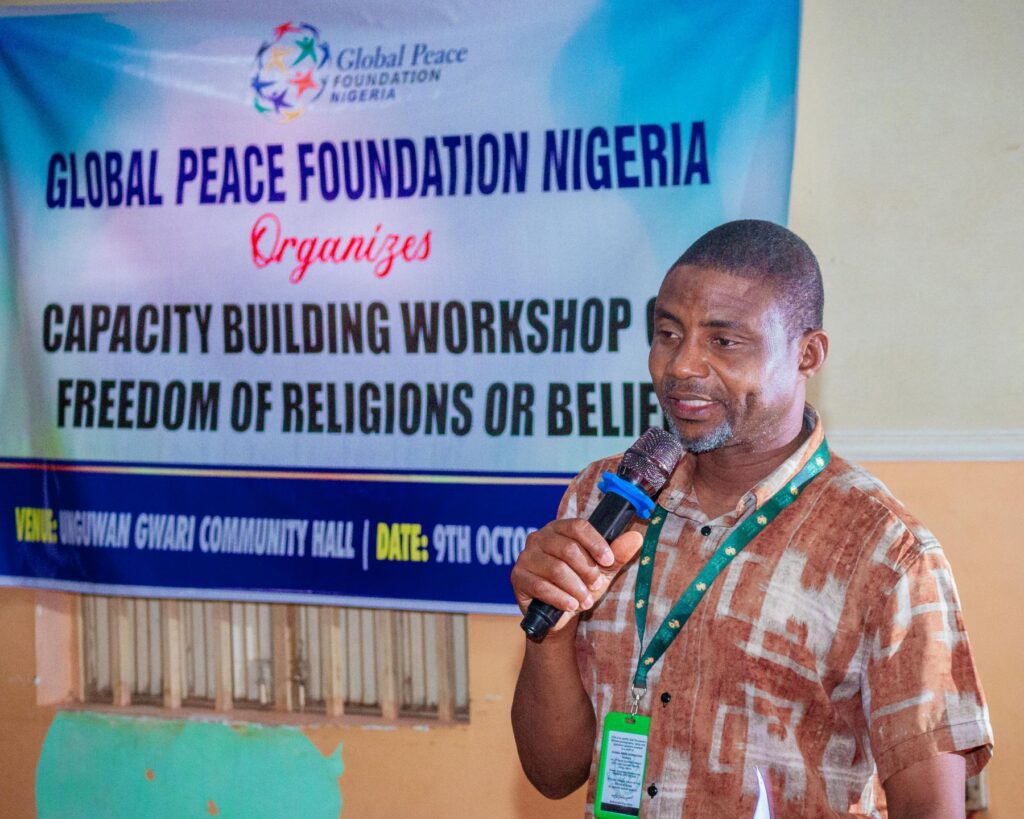
Rev. Seth Wambai, community lead making his remark at the workshop
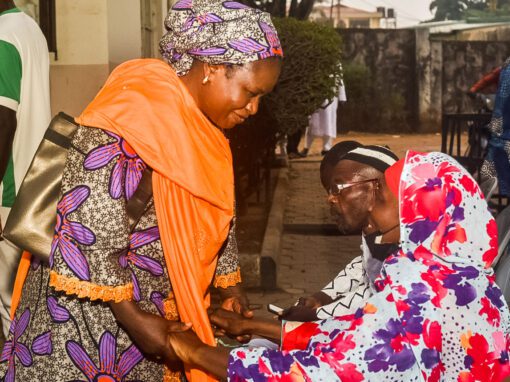
In Ungwan Gwari, Kaduna North, GPF Nigeria recently conducted a capacity-building workshop on Freedom of Religion or Belief. The event brought together over one hundred participants from diverse faiths and ethnic backgrounds to learn, share experiences, and explore how the right to belief can foster peace and social harmony. The sessions were facilitated by Abdul Ahmed, the senior programs manager at GPF Nigeria, who emphasized that every person has the right to hold, practice, or change their beliefs without fear or discrimination and that respecting this freedom is key to lasting peace.
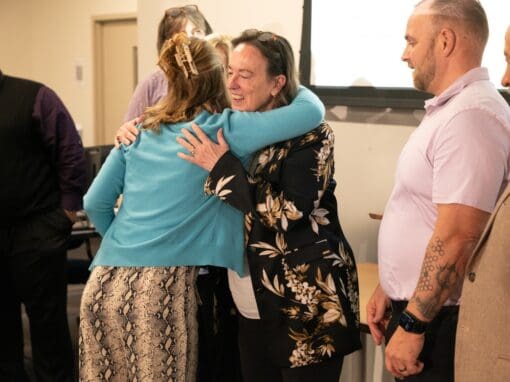
Participants engaged in group discussions and exercises that explored how discrimination based on belief can appear in schools and workplaces, and brainstormed ways to counter it. The conversations were open and honest, and many participants said they had never thought so deeply about freedom of religion or belief before.
Rev. Seth Wambai, one of the participants, expressed his gratitude to GPF Nigeria for the workshop, saying it opened his eyes to the meaning of freedom of belief as a divine right. He shared that the session would influence his ministry and was an inspiration for him to preach more about tolerance and understanding. Another participant, Mrs. Blessing Musa, a woman leader from Ungwan Gwari, said it was her first time hearing about the concept of freedom of religion or belief and that it resonated deeply with her own family experience. “My father is a Christian and my mother a Muslim,” she said. “This training helped me see the beauty of that diversity.”
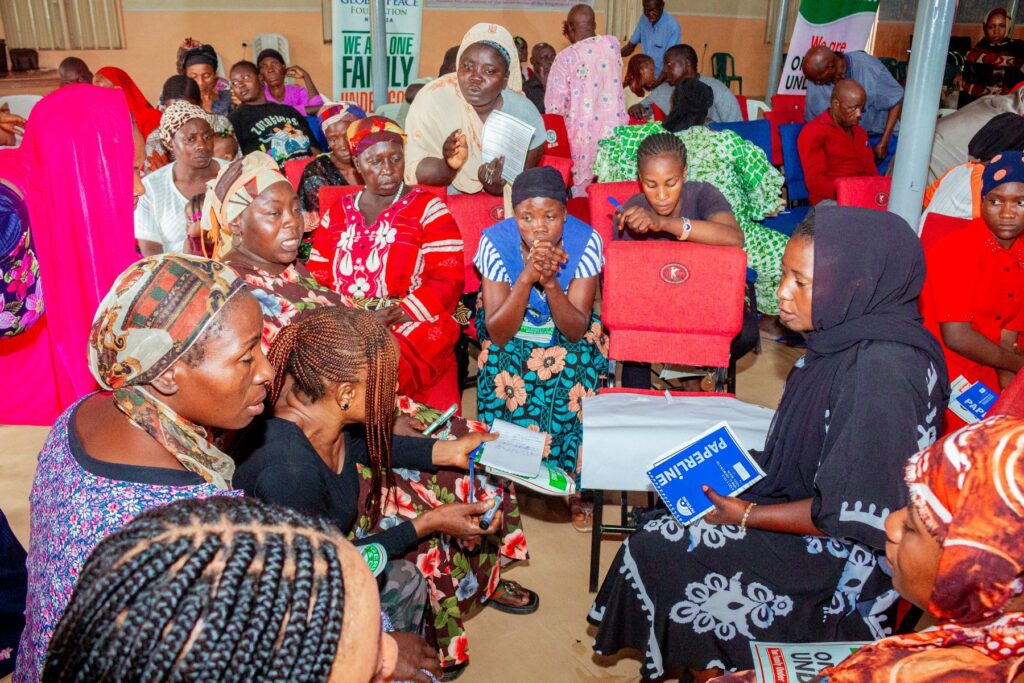
Group exercise during the workshop
Elder Anthony Garba, a respected community elder, described the workshop as an “eye-opener.” He said he grew up in a time when traditional religion dominated, and people lived in peace despite their differences. “Before now, I never imagined that my child should be free to practice a religion different from mine,” he admitted. “But I now know better.” He added that tolerance and respect for boundaries would go a long way in achieving a peaceful society.
As the day concluded, there was a shared sense of commitment among participants to put what they had learned into practice. Many pledged to organize awareness campaigns, lead youth dialogues, and work with local leaders to promote understanding across religious lines. The success of the workshop affirmed that when communities embrace freedom of belief, they protect individual rights and also strengthen the bonds that hold society together.
Through initiatives like this, the Global Peace Foundation continues to show that when people recognize the divine dignity in one another, barriers fall, and peace becomes possible. Learn more about the work of GPF in the area of Freedom of Conscience, Belief, and Religion.