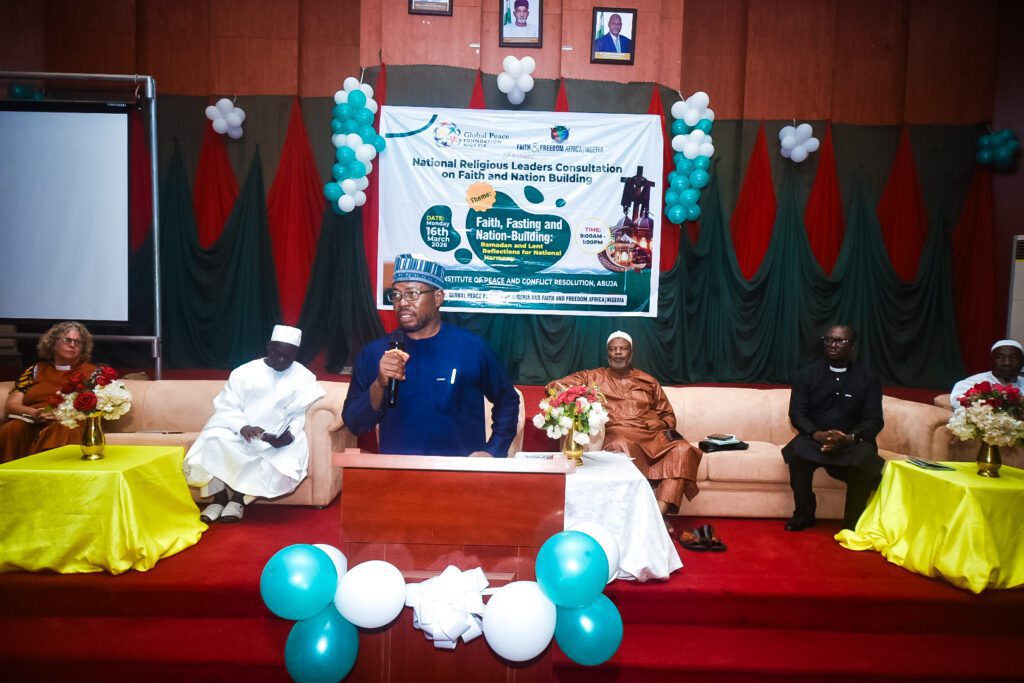
Mr. Felix Samari, Country Representative, Faith & Freedom Africa/Nigeria
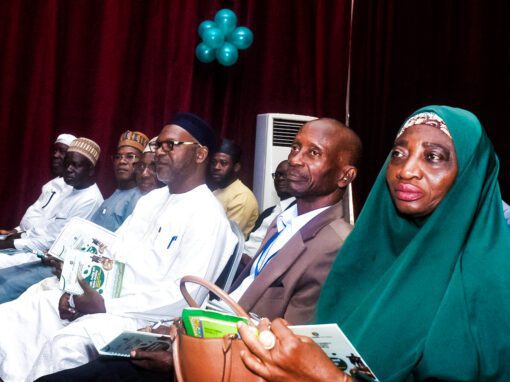
Over 100 religious leaders, policymakers, media practitioners, and youth convened in Abuja for the National Religious Leaders Consultation on Faith and Nation Building, organized by the Global Peace Foundation (GPF) Nigeria in partnership with Faith and Freedom Africa/Nigeria. The meeting took place on March 16, 2026, at the Institute for Peace and Conflict Resolutions (IPCR) in Abuja. Held during the overlapping seasons of Ramadan and Lent, the consultation provided a strategic platform for examining how faith can contribute to national cohesion, peace, and development.
The gathering emphasized the shared spiritual values within Islam and Christianity, particularly those expressed through fasting, prayer, sacrifice, and charity. Participants noted that these practices cultivate discipline, compassion, humility, and empathy, virtues that are essential for strengthening social responsibility and ethical leadership. Speakers highlighted that these values must extend beyond personal devotion into public life, shaping how individuals engage within their communities and contribute to national development.
In his remarks, Reverend John Joseph Hayab, GPF Nigeria country director, highlighted the significance of the moment, noting that the convergence of Ramadan and Lent presents a unique opportunity for interfaith reflection and collaboration. He called on religious leaders to promote unity, reject divisive rhetoric, and model peaceful coexistence. Similarly, Felix Samari, Faith and Freedom Africa/ Nigeria country representative, emphasized the importance of protecting religious freedom as a fundamental right, urging faith leaders and civil society actors to work together in fostering tolerance and mutual respect.
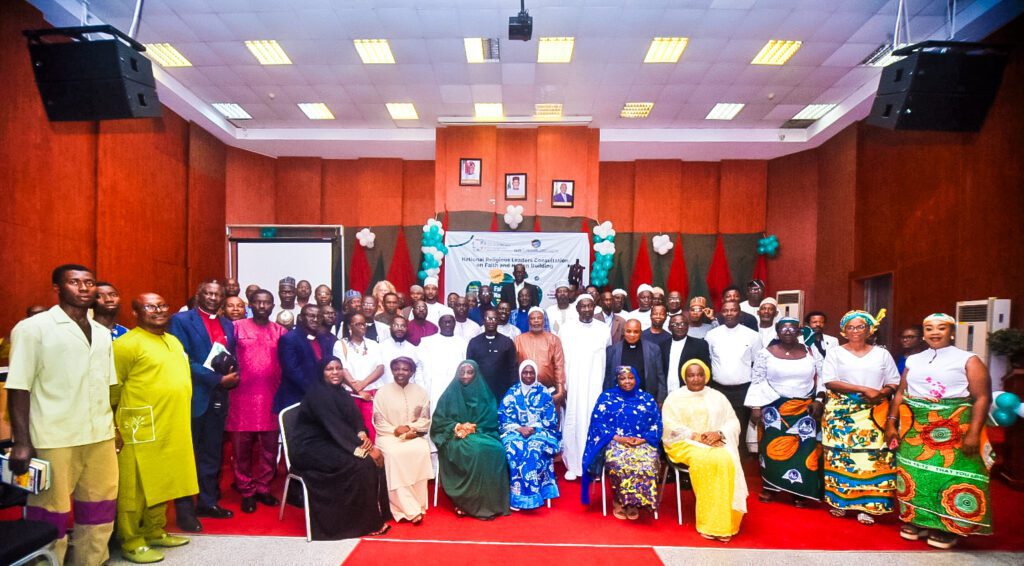
Group photo at the National Religious Leaders Consultation on Faith and Nation Building meeting.
The keynote address by Dr. Joseph Ochogwu, director general of IPCR, explored the critical intersection between faith and nation-building. He outlined how faith traditions promote integrity, social justice, and civic responsibility, all of which are necessary for a functional and inclusive society. At the same time, he cautioned that faith can become a source of division if misused, stressing the need to counter sectarianism and prioritize shared humanity over religious differences. He also highlighted the influential role of religious leaders in shaping public attitudes and called for responsible, value-driven leadership.
Presentations on Lent and Ramadan further reinforced the role of faith in addressing societal challenges. Father Prof. Cornelius Omonokhua, executive secretary of Nigeria Inter-Religious Council (NIREC), described Lent as a period of repentance and moral renewal, linking its lessons to the need for ethical leadership, justice, and national transformation. Ustaz Abubakar Sadeeq of the National Mosque Abuja similarly emphasized that Ramadan fosters self-control, compassion, and accountability, encouraging believers to translate spiritual teachings into service to humanity and commitment to peace.
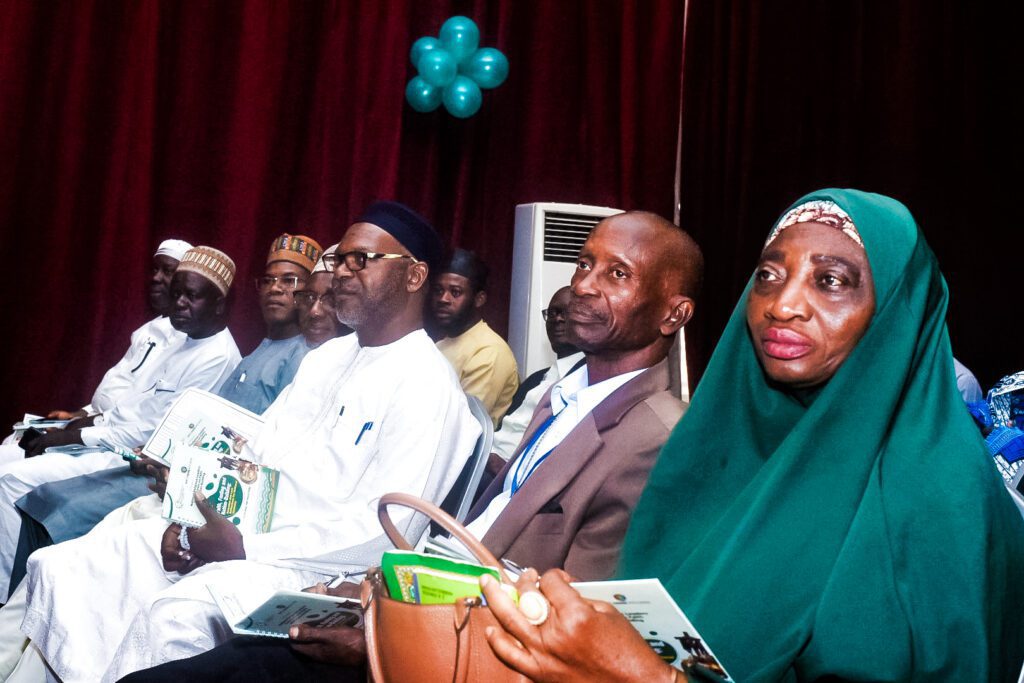
Participants of the National Religious Leaders Consultation on Faith and Nation Building meeting.
The open dialogue session provided participants with an opportunity to reflect on these themes and identify practical pathways forward. A key issue raised was the limitation of interfaith engagements that primarily attract moderate voices, leaving out individuals with more extreme perspectives. Participants called for more inclusive strategies that engage diverse groups and address the root causes of division. The importance of sustainability was also emphasized, with recommendations to establish stronger structures for continuous interfaith dialogue and to extend these efforts to grassroots communities where daily interactions shape social cohesion.
Participants further highlighted the role of religion as a moral force that complements governance structures. While governments rely on laws and enforcement, faith institutions shape values and behavior, making them essential partners in nation-building. Concerns were raised about harmful narratives that prioritize religious identity over justice, with participants stressing that leadership should be guided by integrity rather than affiliation. There was also a call to address what was described as a “poverty of the mind,” where misinformation and divisive teachings fuel conflict, particularly among young people.
The consultation resulted in strengthened relationships among faith leaders, increased understanding of different religious traditions, and a renewed commitment to collaborative action. Participants agreed to cascade the insights gained to their respective communities and to promote peace, unity, and national cohesion through faith-based initiatives. This commitment was formalized through a joint declaration affirming their dedication to advancing harmony and development across Nigeria.
The consultation reflects the broader approach of the Global Peace Foundation in advancing peacebuilding through interfaith leadership, strengthening families, and promoting a culture of service. By convening diverse stakeholders around shared values, GPF continues to foster dialogue, build trust, and support locally driven solutions that address the root causes of division. This consultation demonstrates how faith-based engagement, when aligned with universal principles and collective action, can serve as a practical pathway toward national transformation, reinforcing the vision of a society united as One Family under God.