“Education is the most powerful weapon which you can use to change the world.” — Nelson Mandela
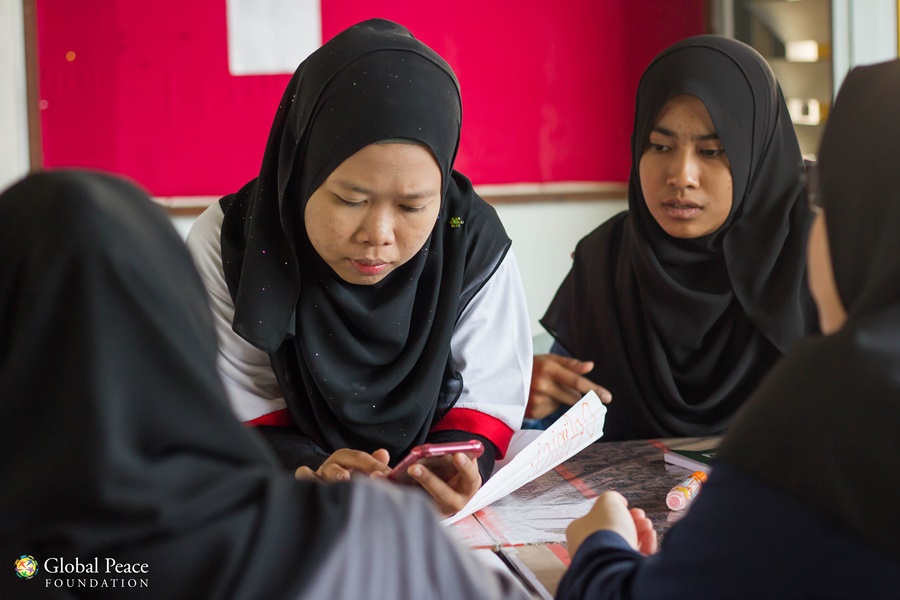
Education CCI Malaysia
Every April 5, the United Nations invites the world to pause, not for a ceremony, but for something harder: honest self-reflection. The International Day of Conscience asks each of us to examine not just what we have done, but who we are becoming, and whether our actions have honored the obligations we carry toward one another.
The UN’s framing of April 5 is precise: conscience is what moves us from awareness to action, from knowing something is wrong to doing something about it. It is the inner voice that tells a student to speak up when a classmate is excluded, or to refuse a bribe even when it costs something. This is not idealism. It is the foundation of stable, peaceful societies.
For Global Peace Foundation (GPF), this day speaks directly to the work we believe matters most: transforming education. Conscience is not an abstract virtue. It is learned and practiced. Yet in too many schools around the world, it is never taught at all.
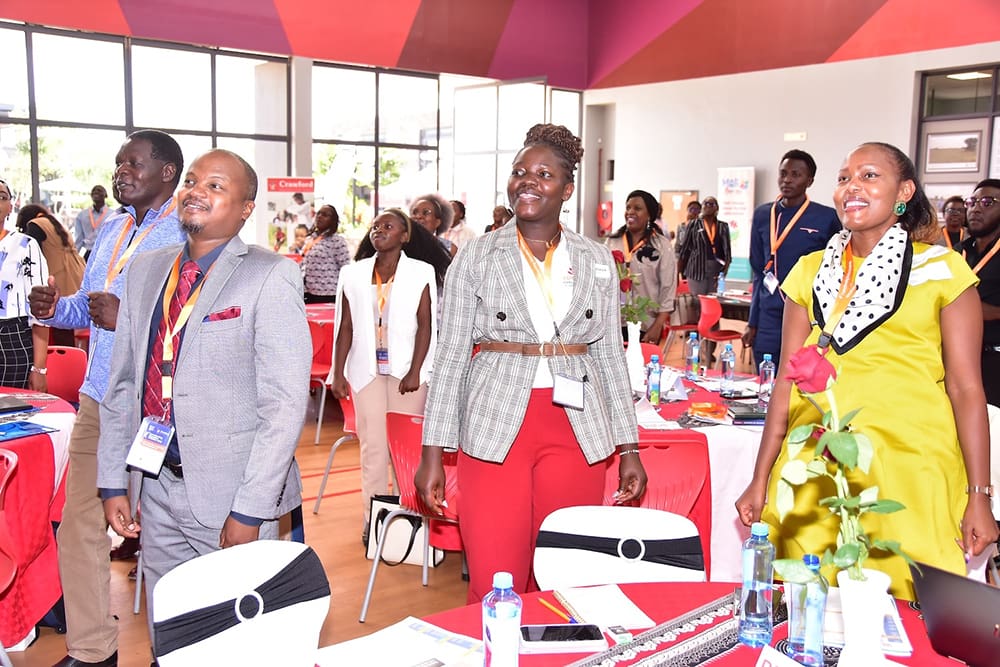
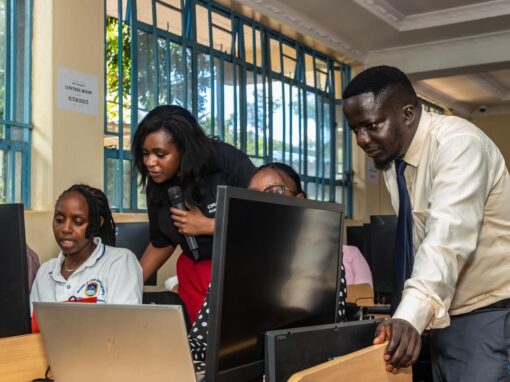
GPF Kenya hosts the 3rd Transforming Education in the Global South Workshop
Across countries like Kenya, the Philippines, Uganda, Nigeria, Indonesia, and beyond, GPF and its chapters have witnessed the same paradox: students graduate with qualifications but without the character needed to translate knowledge into service. Employers consistently name trustworthiness, creativity, and the ability to work across differences among their greatest priorities, yet these qualities rarely appear on a standardized test.
Against this backdrop, GPF’s transforming education initiative offers another way forward. The vision is simple but demanding: a classroom where teachers create space for honest dialogue, where students learn to disagree without contempt, where integrity is modeled rather than merely demanded, and where the classroom becomes a living space for practicing conscience. GPF’s Transforming Education initiative brings together educators, policymakers, and communities across Africa and Asia to make these practices the norm rather than the exception.
Read more about GPF’s Transforming Education
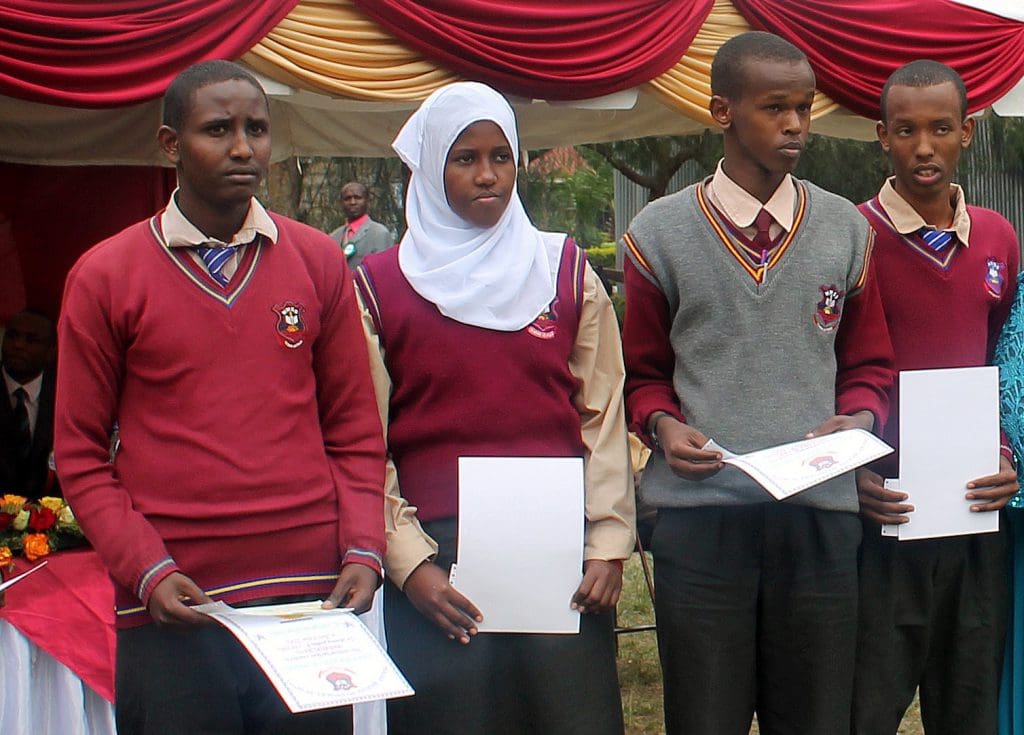
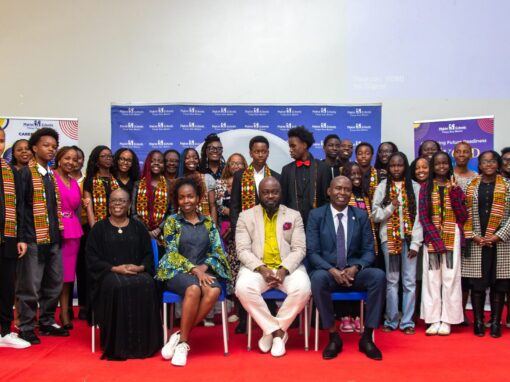
Students awarded certificates of excellence in various extracurricular activities and academic performance at Maina Wanjigi Secondary School as part of CCI
At the heart of this work is the Character and Creativity Initiative (CCI), launched in Kenya in 2011 and now active in nine countries. CCI brings experiential, values-based training into secondary schools, not as an add-on, but as a reimagining of what school and education are for. Students learn to lead, solve problems, and act ethically under pressure. Teachers are equipped to create student-centered environments where critical dialogue and moral reasoning are part of everyday practice.
“Developing integrity, communication skills, leadership capacity, and entrepreneurial innovation are important components of the education of the whole child.” — Global Peace Foundation, Character and Creativity Initiative
Read more about the Character and Creativity Initiative (CCI)
In Kenya, GPF’s Great Places to School initiative takes this work further by recognizing and celebrating institutions that integrate values, safety, and holistic development into their school culture, creating a nationwide movement toward education that forms character alongside capability.
Read more about Kenya’s Great Places to School
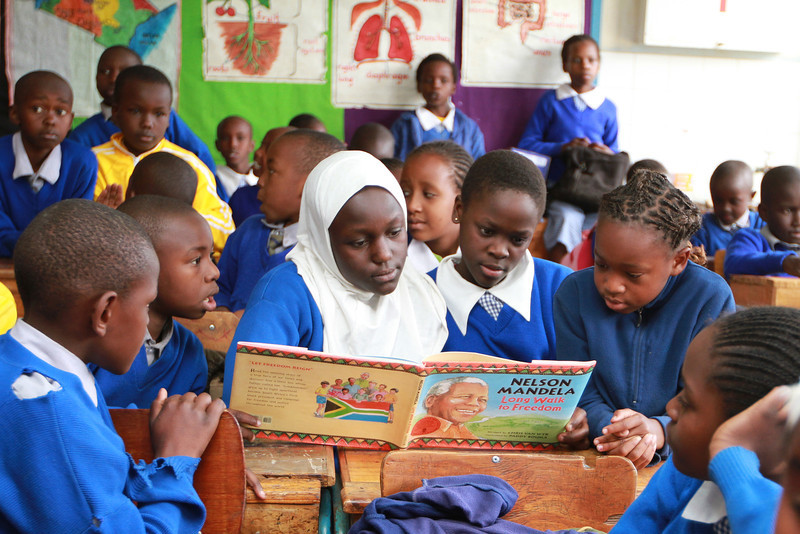
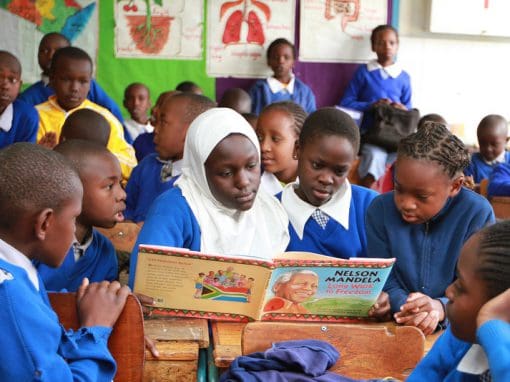
Children in a CCI classroom in Kenya
The work of GPF shows that another path is possible, one in which education becomes a force for peace, character, and shared progress. The defining question is not simply whether education prepares young people for work, but whether it nurtures conscience. Because when it does, education becomes more than preparation for the future.
It becomes the foundation for building a more just, compassionate, and peaceful world.
GPF’s work in 22 nations is only possible with the support of people who believe, as we do, that conscience can be taught, and that education is where peace begins.
Support GPF and its transforming education initiatives as we work to build conscience. Donate to Global Peace Foundation.
Beyond that, there are simple ways each of us can help build conscience:
- Honor an educator. A note of appreciation, a shared resource, or a genuine conversation can remind teachers who are shaping conscience in their students that their work is seen and valued.
- Advocate for the whole child. Champion schools in your community that measure student well-being and character alongside academic achievement, and help define what values-based education looks like in your context.
- Ask the deeper question. The next time you speak with a young person, ask not only what they want to do, but what kind of person they want to be. That conversation is where conscience begins.
Let’s transform education one school at a time.
Let’s build conscience one child at a time.