March was a powerful month for GPF Nepal, marked by a series of environmental stewardship initiatives that brought communities together around a shared vision: a cleaner, healthier, and more sustainable environment.
Through projects spanning WASH education, the Green Homes: Green Kathmandu campaign, World Water Day, and International Zero Waste Day, GPF Nepal demonstrated how locally rooted initiatives, especially those led by women and community members, can create practical and meaningful impact.
Project Sparsha: Promoting Health and Sanitation through WASH Education
Environmental peacebuilding begins when communities care for their shared spaces, work together to protect natural resources, and take ownership of solutions that strengthen both people and the planet.
1. Project Sparsha: Promoting Health and Sanitation through WASH Education
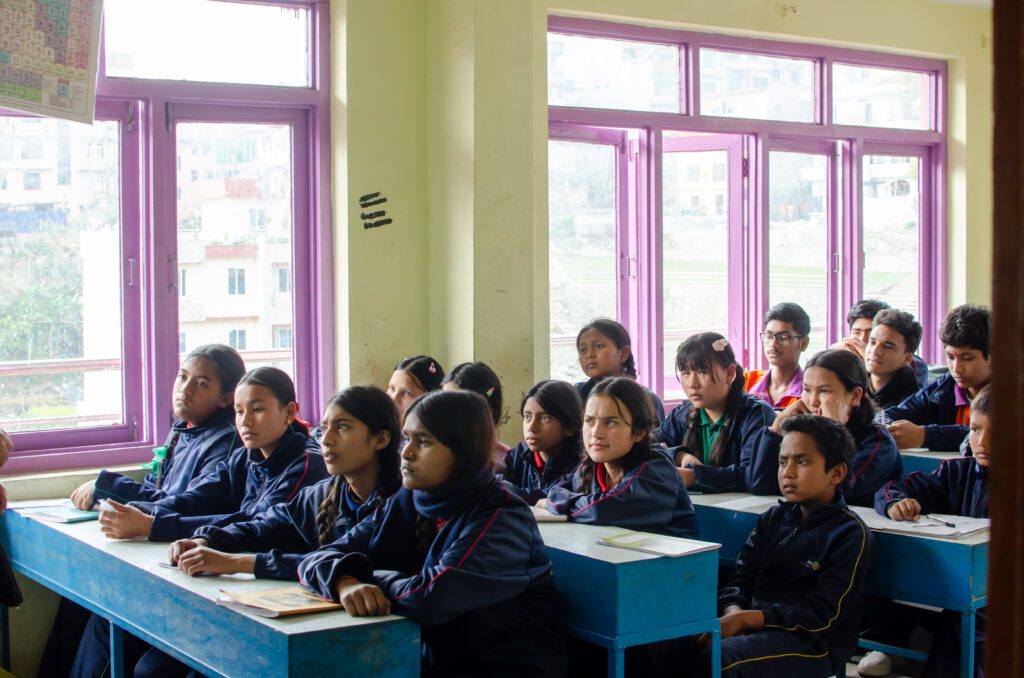
March began with Project Sparsha, where GPF Nepal educated students of Shree Janak Siddhikali Madhyamik School on Water, Sanitation, and Hygiene (WASH). Thirty-six students participated in the program and learned about “the importance of washing hands, the role of soap in killing bacteria and viruses, and the proper use of toilets in their daily lives.”
2. World Water Day
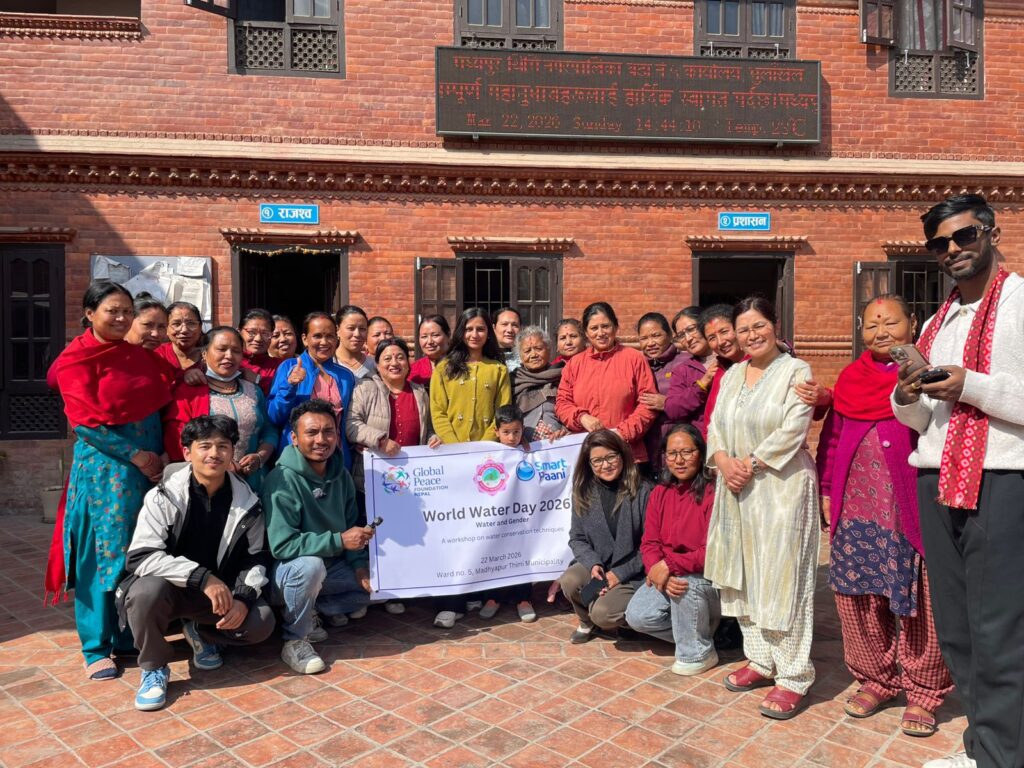
GPF Nepal celebrates World Water Day with a water conservation workshop
On World Water Day, March 22, GPF Nepal collaborated with Smart Paani to hold a workshop for residents of Madhyapur Thimi, Bhaktapur. The workshop focused on water conservation techniques and effective water management, including rainwater harvesting, groundwater recharge, and WASH.
Laxmi Kesari Prajapati, one of the participants, reflected on the scarcity of drinking water in her area and shared how relevant the program was to her community. She said, “Knowledge will help us contribute to better health and sustainable water management in our community.”
3. Green Homes: Green Kathmandu Training on Making Soaps, Liquid Soaps, and Sanitizers
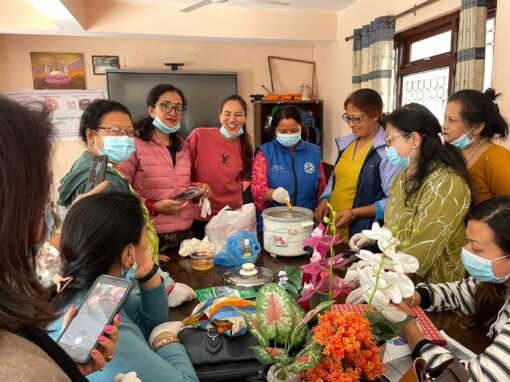
From March 25 to 27, 2026, GPF Nepal conducted a training program on making soaps, liquid soaps, and sanitizers as part of its ongoing Green Homes: Green Kathmandu campaign. The Nepal chapter provided essential materials and practical guidance for the workshop.
The training empowered women to practice environmental conservation by encouraging the reuse of used oils in soap-making. It also offered long-term potential to support household livelihoods by helping participants turn newly learned skills into income-generating activities.
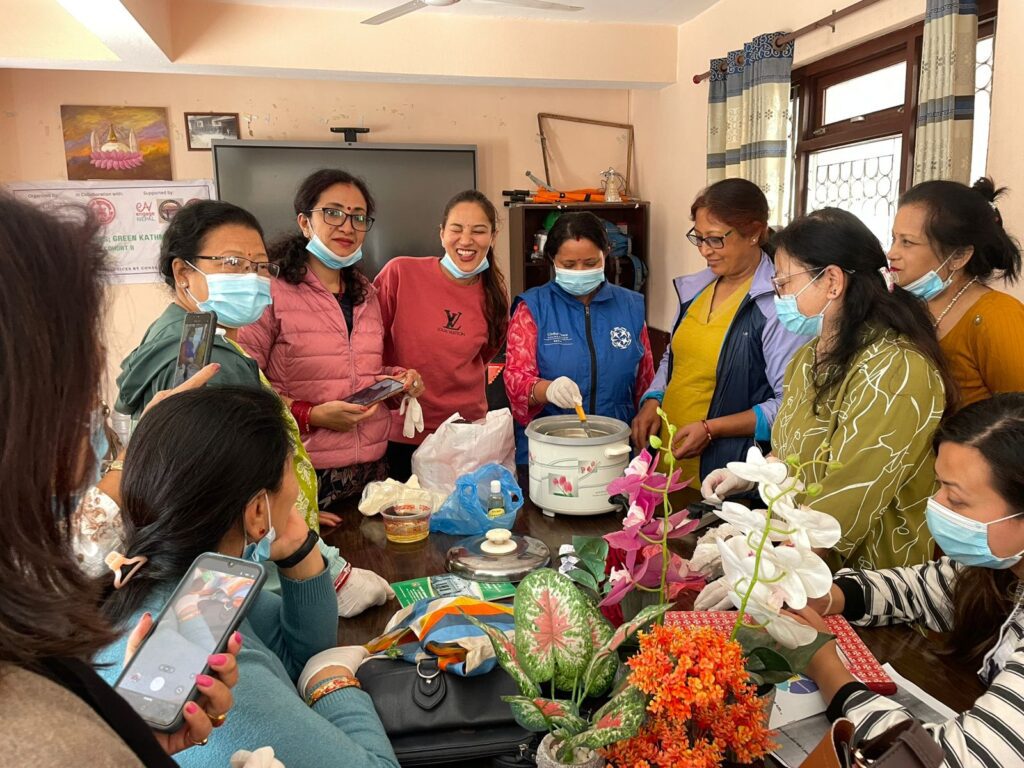
Green Homes: Green Kathmandu Training on Making Soaps, Liquid Soaps, and Sanitizers
Participants expressed joy and enthusiasm for the program. Shreeya shared, “I plan to practice making these hygiene products at home, and in the future, I hope to use this skill to sell them and earn a small income.”
4. Zero Waste Exhibition on International Zero Waste Day
Lastly, from March 30 to 31, GPF Nepal conducted a zero-waste exhibition as part of its Green Homes: Green Kathmandu River of Peace Campaign (ROP). ROP is an environmental initiative of GPF Nepal that promotes environmental stewardship and sustainability. The exhibition was held in observance of International Day of Zero Waste and organized in partnership with the Rotary Club.
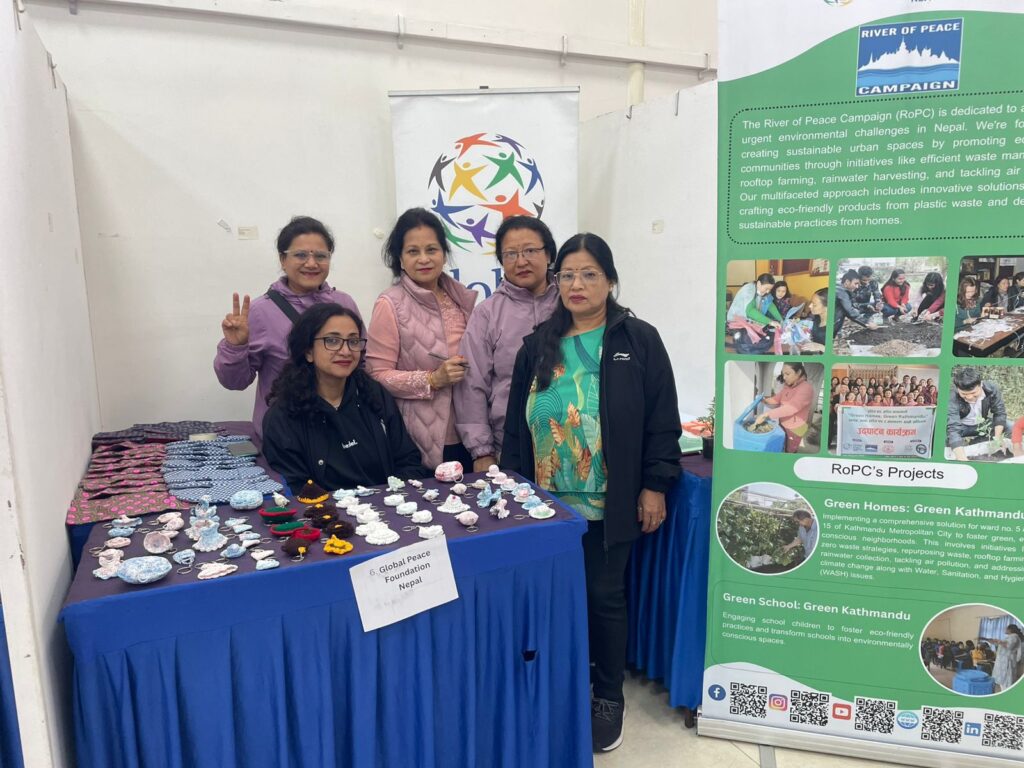
Zero Waste Exhibition on International Zero Waste Day
Sunita Manandhar, one of the participants in the exhibition, said, “We had the opportunity to showcase our group’s upcycled products made from milk plastic, eco-friendly sanitary pads, and plants. We felt very happy and encouraged when our products were sold and received positive feedback from visitors.”
She further shared that the experience boosted her confidence and deepened her understanding of the importance of teamwork and ownership.
GPF Nepal’s initiatives show that meaningful change does not always require large-scale interventions. It can begin with small, consistent actions that bring people together, strengthen local ownership, and create lasting impact.
As these efforts continue to grow, they offer a powerful reminder: caring for the environment is not only about major projects or investments. It is also about everyday choices, grassroots action, and communities working together to protect the places they call home. To support GPF and its environmental initiatives, please visit: http://give.globalpeace.org/