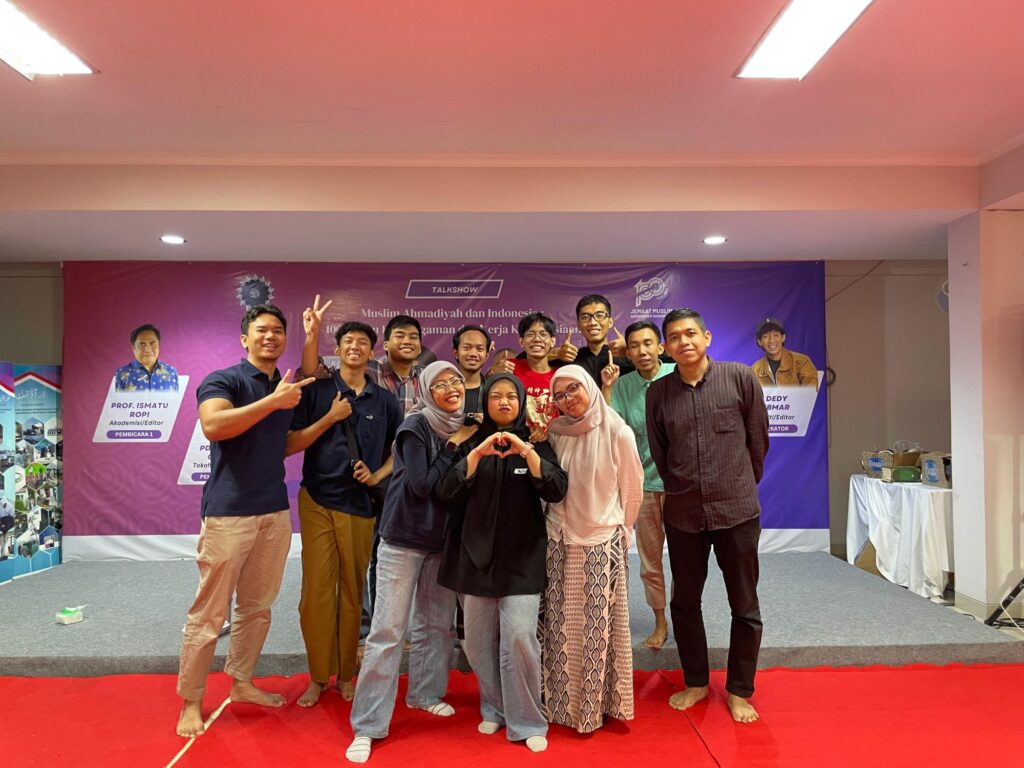
Peace! Project: KURMA participants
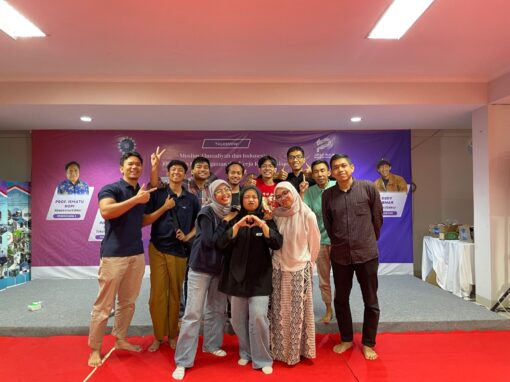
The Peace! Project: KURMA (Kumpul Ramadhan Anak Komunitas) gathering brought together youth volunteers and interfaith leaders at Wisma Rahmat Ali in Central Jakarta. Held in the spirit of Ramadan, the program created a warm and inclusive space for participants from diverse religious backgrounds to connect, reflect, and grow together.
Initiated by the Global Peace Foundation (GPF) in collaboration with Ruang Rasa Indonesia, the workshop was designed to strengthen youth capacity in peacebuilding through the lens of constructive feedback and meaningful communication. The event emphasized the importance of safe spaces where young people can openly share experiences, build trust, and engage in respectful dialogue.
The program featured a series of interactive and reflective sessions. It began with a storytelling session in which participants shared personal experiences that revealed unexpected common ground despite their diverse backgrounds. This moment became a highlight of the event, fostering empathy and a deeper sense of connection among participants.
The workshop on growth mindset and constructive feedback equipped participants with practical tools for giving and receiving feedback in a positive and empowering way. This was followed by a practice lab on assertive communication, allowing participants to simulate real-life scenarios and develop confidence in expressing their thoughts respectfully and clearly.
To further energize the sessions, participants engaged in the Spin & Speak Card activity, which encouraged spontaneous sharing and active listening. The program concluded with a cross-community iftar, strengthening bonds in a meaningful and culturally rich setting.
The workshop achieved several key outcomes. Participants remained actively engaged throughout the sessions, demonstrating strong enthusiasm and openness. They showed improved understanding of growth mindset principles and constructive feedback practices, alongside strengthened assertive communication skills. The program also expanded cross-community connections and produced a workshop handbook to serve as a guide for future initiatives.
One participant, Welly, shared:
“The workshop was delivered interactively and engagingly, encouraging two-way communication and incorporating practical exercises and simulations. This approach made it especially appealing for young people, as it kept the sessions dynamic and far from boring.”
Overall, the KURMA gathering highlights the importance of creating safe and inclusive spaces for youth engagement. Through simple yet meaningful interactions, the program nurtured dialogue, strengthened social bonds, and contributed to building a sustainable culture of peace among young people.