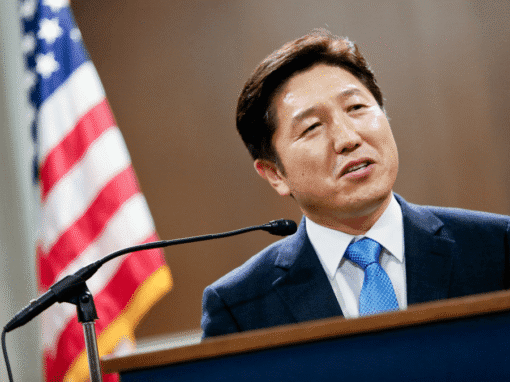
The unification movement should be more about the vision than political process. e vision by all means regardless of any political difficulties. A strong and broad civil base is a key groundwork for peaceful unification. An address by Inteck Seo, Co-chair, Action for Korea United
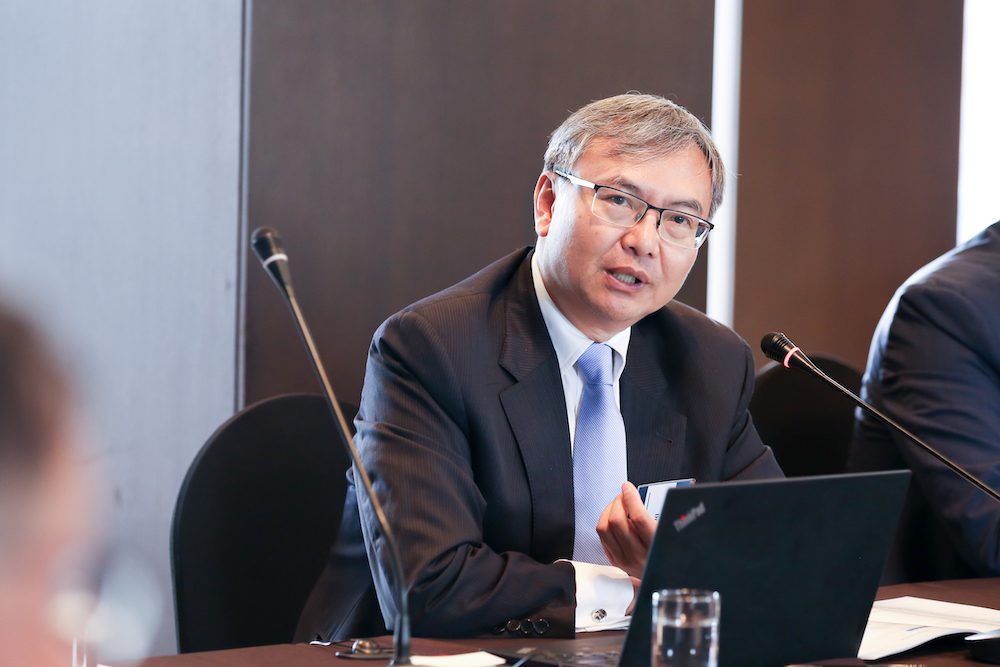
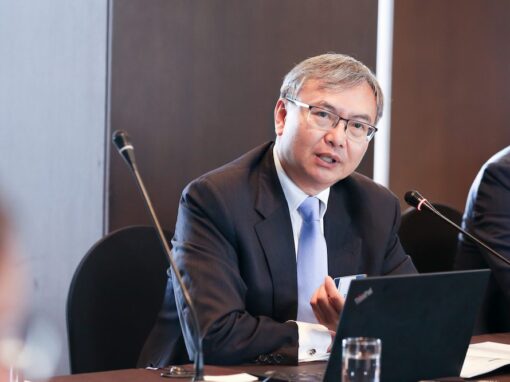
Dr. Hao Su, professor and director at the Center for Strategic and Peace Studies in China Foreign Affairs University, highlights the strategy for denuclearization of Northeast Asia
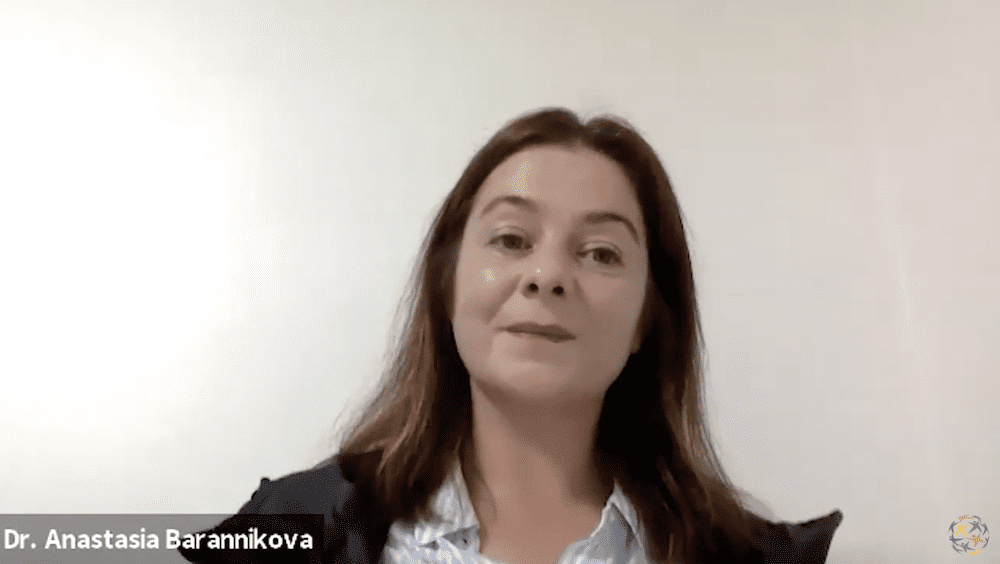
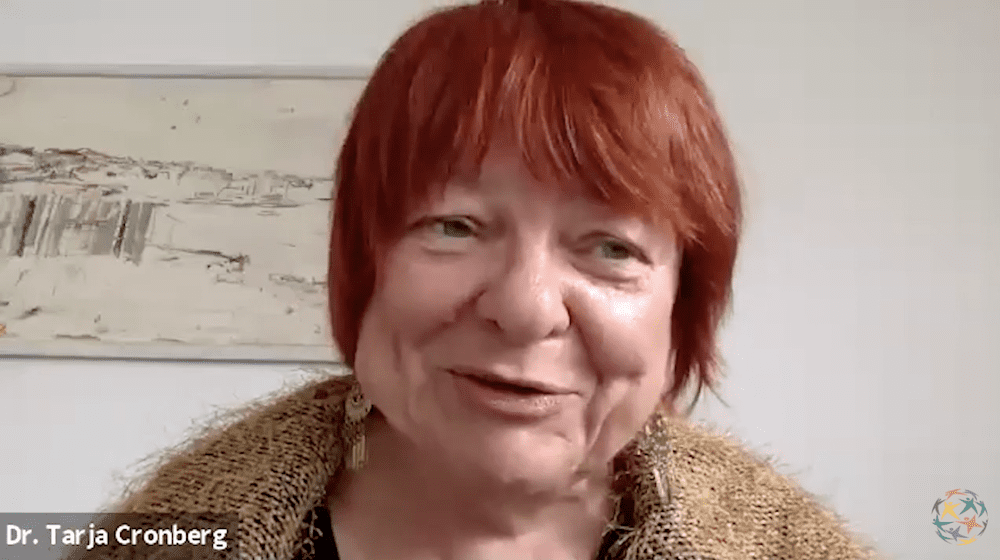
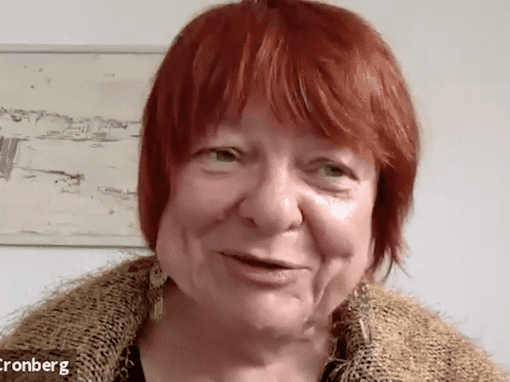
At the International Forum on One Korea (Virtual Forum 2020), Dr Tarja Cronberg, Distinguished Associate Fellow, explains the strategy of the Northeast Asian Nuclear Weapons Free Zone in the context of the EU.
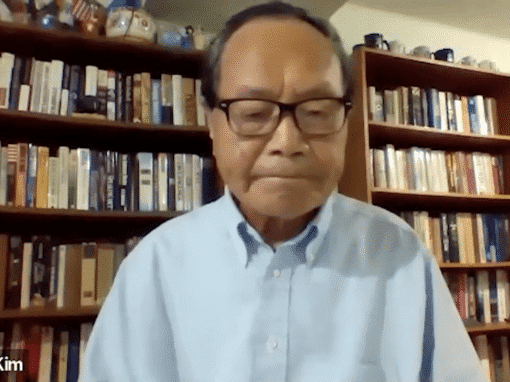
Dr. Tong Kim, visiting chair professor, Kyungnam University, elaborates on NWFZ approach to denuclearization of the Korean Peninsula at the International Forum on One Korea 2020.
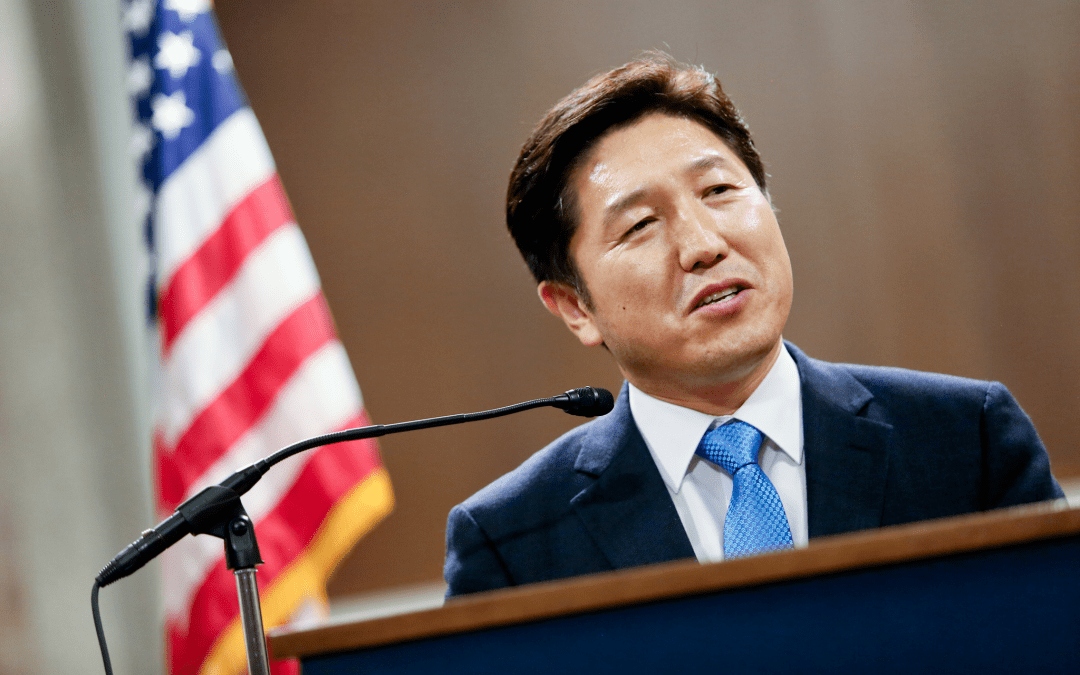
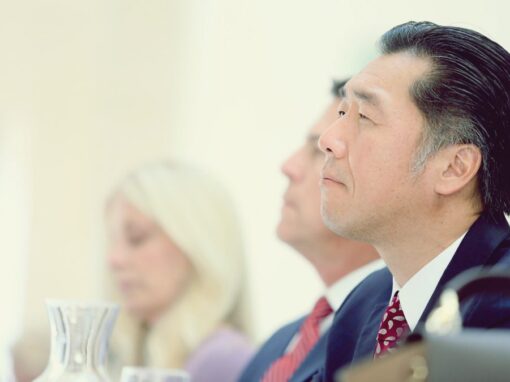
Civic organizations, corporations, NGO's, faith groups, and all the many forms of civil society need to cooperate and build consensus, not only on the endgame strategy of unification but also on how they should engage the North. Remarks from Global Peace Foundation Chairman Dr. Hyun Jin P. Moon
Fostering regional trust through so-called soft security issues such as economic development, energy and infrastructure cooperation, and environmental and other non-traditional threats can lead to greater understanding and bridging differences. An address by Ambassador J. Enkhsaikhan, Chairman, Blue Banner
The vision of the Korean Dream can be engaged through multi-sector, track two approaches to expand global consensus for a united, peaceful Korea. An address by David L. Caprara, Vice President, Global Peace Foundation.
Change in the North is fraught with challenges and complexities. But expanding the possibilities and practice of freedom will be a key to progress. Principles that lift up human dignity, creativity and responsibility are the foundation for a free society to prosper and flourish. An address by Dr. Edwin Feulner, Founder, the Heritage Foundation.