Mongolia Youth Leadership Program
The world has the largest generation of young people in history. Yet millions of youths lack access to the mentorship, leadership opportunities, and practical experience needed to realize their potential and contribute meaningfully to society. At the same time, communities around the world are grappling with growing social division, youth unemployment, declining civic trust, and complex economic and environmental challenges. Addressing these issues will require more than policies and institutions. It will require leaders with the character, skills, and commitment to bring people together and drive positive change.
This is why investing in youth leadership matters.
The Cost of Inaction
When young people lack opportunities to develop leadership skills, communities lose valuable talent, innovation, and civic participation. The consequences can be seen in disengagement, unemployment, social fragmentation, and limited pathways for young people to contribute to national development.

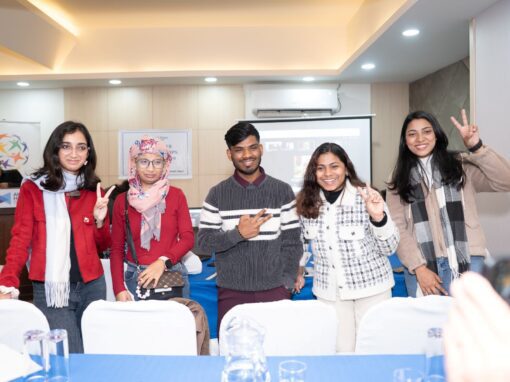
Youth in India participate in a dialogue forum hosted by GPF India.
Youth are often described as the leaders of tomorrow. Yet leadership does not emerge by chance. It is developed through mentorship, service, practical experience, and opportunities to solve real-world challenges.
Without these investments, leadership gaps persist across communities, institutions, and sectors.
Why Leadership Development Works
Effective youth leadership programs do more than build individual skills. They create multipliers of impact. Young people who receive leadership training are more likely to volunteer, mentor peers, organize community initiatives, launch enterprises, and participate constructively in civic life. Their influence extends beyond themselves to families, schools, workplaces, and communities.
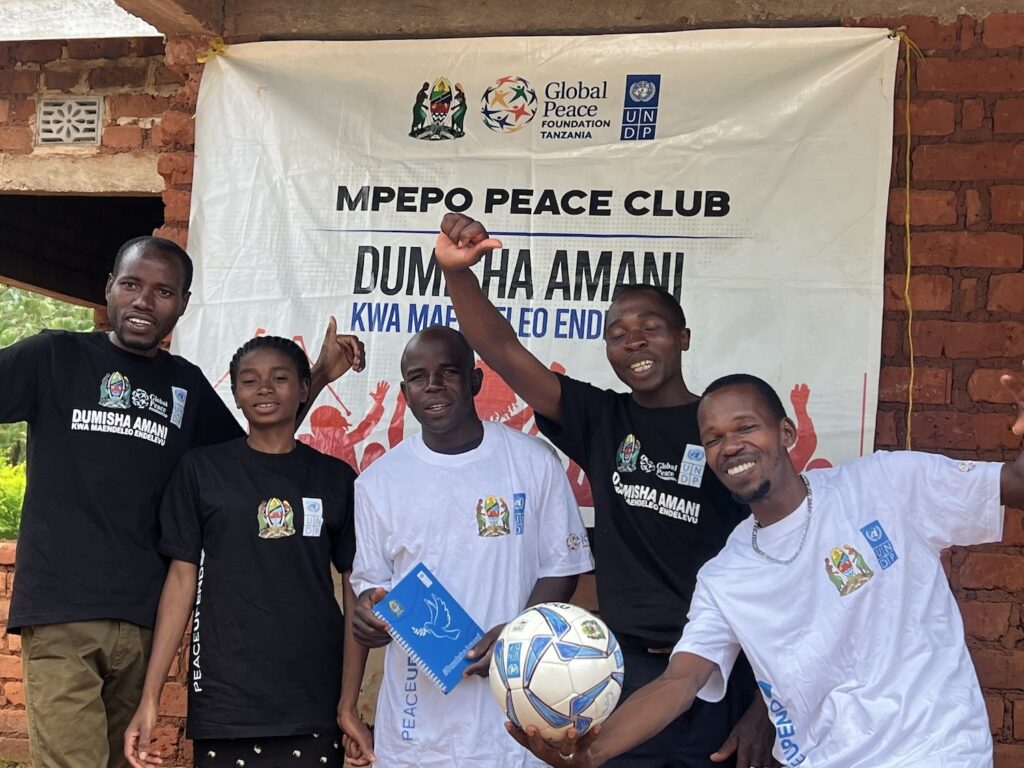
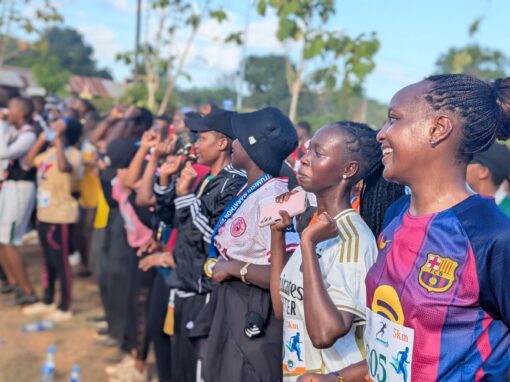
Members of a youth peace club in Tanzania.
This ripple effect is why leadership development remains one of the most strategic long-term investments available to donors, governments, and development partners.
A Values-Based Approach to Leadership
The Global Peace Foundation (GPF) approaches youth leadership through the lens of Moral and Innovative Leadership; an approach that combines character development, personal
responsibility, service, and innovation. Across Africa, Asia, and the Americas, GPF equips young people to become problem-solvers and bridge-builders through leadership training, entrepreneurship initiatives, volunteer service, peacebuilding programs, and global exchanges.
GPF prepares youth for leadership and provides opportunities for them to lead today, whether through community service projects, environmental initiatives, entrepreneurship programs, or civic engagement activities.
Investing in Leaders Who Strengthen Communities
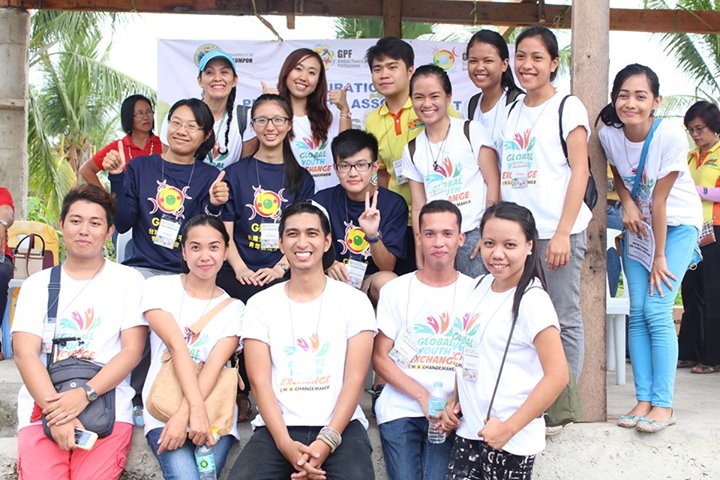
Student leaders of Palompon Institute of Technology (PIT) make a commitment as Global Peace Youth leaders for the first day of the 8th Global Youth Exchange in the Philippines to rebuild the community.
At GPF, the impact of youth leadership development is measured not only by the number of participants trained, but by the communities they serve. GPF alumni and participants have launched community projects, mentored fellow youth, mobilized volunteers, promoted social cohesion, advanced environmental stewardship, and contributed solutions to local challenges. Their work demonstrates how investments in youth can translate into tangible benefits for communities.
As societies navigate increasingly complex challenges, the need for ethical, capable, and service-minded leaders has never been greater.
The question is not whether young people will shape the future. They already are.
The question is whether they will have the support, opportunities, and leadership development needed to shape it for the better.
Building the Next Generation of Leaders
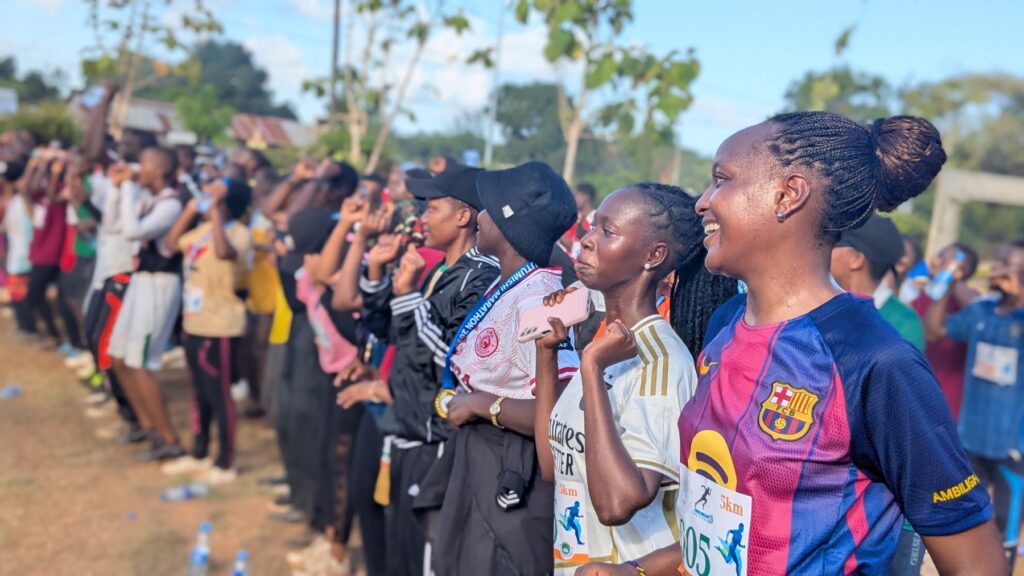
Participants in the youth-focused peacebuilding through volunteerism workshop conducted at the Tanzania Public Service College
Through leadership development, volunteer service, entrepreneurship, peacebuilding, and global engagement, the Global Peace Foundation is helping young people become leaders who strengthen communities and advance the common good.
Read Part 1 of this series to explore how GPF is developing youth leaders across Africa, Asia, and the Americas.
Read Part 2 to learn how flagship initiatives such as the Global Peace Leadership Corps, Global Peace Volunteers, International Young Leaders Assembly, and Global Peacebuilders Practicum equip young people with the skills and experience to lead.
Explore how you can support efforts to expand opportunities for young people to lead, serve, and build more peaceful, prosperous, and resilient societies: Global Peace Foundation | Youth Leadership Development