To recognize our shared humanity, we must also understand our cultural differences. Bringing together diverse people to engage in dialogue, learning, and relationship-building is a core tenet of the Baltimore Community Peacebuilding Committee (BCPC), an initiative of the Baltimore Cross-Community Reconciliation Project convened by the Global Peace Foundation (GPF).
On June 24, Dr. Surinder Singh Gill, chairman of the International Forum USA, presented the core principles of Sikhism to the attendees from various communities in Baltimore and its surrounding area who gathered at the University of Baltimore’s RLB Library to learn more about this religion—the fifth largest in the world with approximately 25 to 30 million followers. Dr. Gill noted that there are roughly half a million followers in the U.S. and, locally, they are concentrated in the Maryland communities of Randallstown, Dundalk, and Silver Spring.
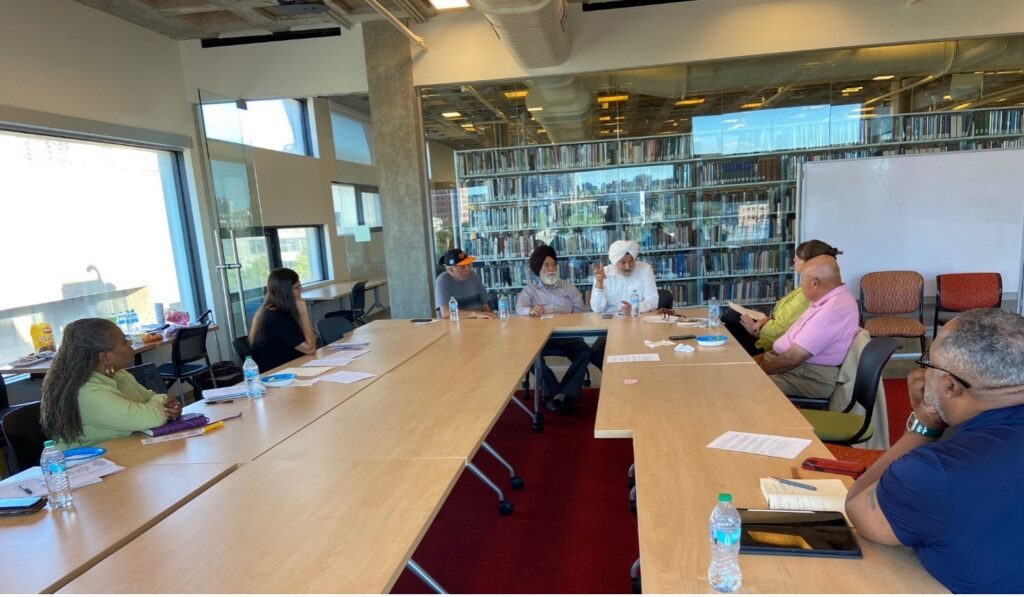
Participants of the June Baltimore Community Peacebuilding Committee meeting
Outlining the core principles that guide Sikh beliefs and practices, he offered attendees a deeper understanding of the faith’s spiritual foundations, including devotion to God, earning an honest living through hard work and integrity, selfless service, and the sharing of resources without regard to perceived differences. Dr. Gill emphasized that Sikhism’s Holy Book, the Guru Granth Sahib, recognizes the equality of all human beings and calls on everyone to care for each other. He reiterated, “Your human duty is to care for yourself and to care for others.”
He also explored the cultural values and traditions that shape Sikh community life, as well as the challenges and opportunities Sikhs encounter in Baltimore. His remarks highlighted both the contributions of Sikh residents and the areas where greater awareness, engagement, and support could strengthen community relationships. When discussing interactions with law enforcement, Dr. Gill noted the need for stronger connection and trust, commenting, “We have a gap between community and the police. We have to make them closer to us.” He further underscored the importance of building collaboration between young people and police officers to develop trust and understanding.
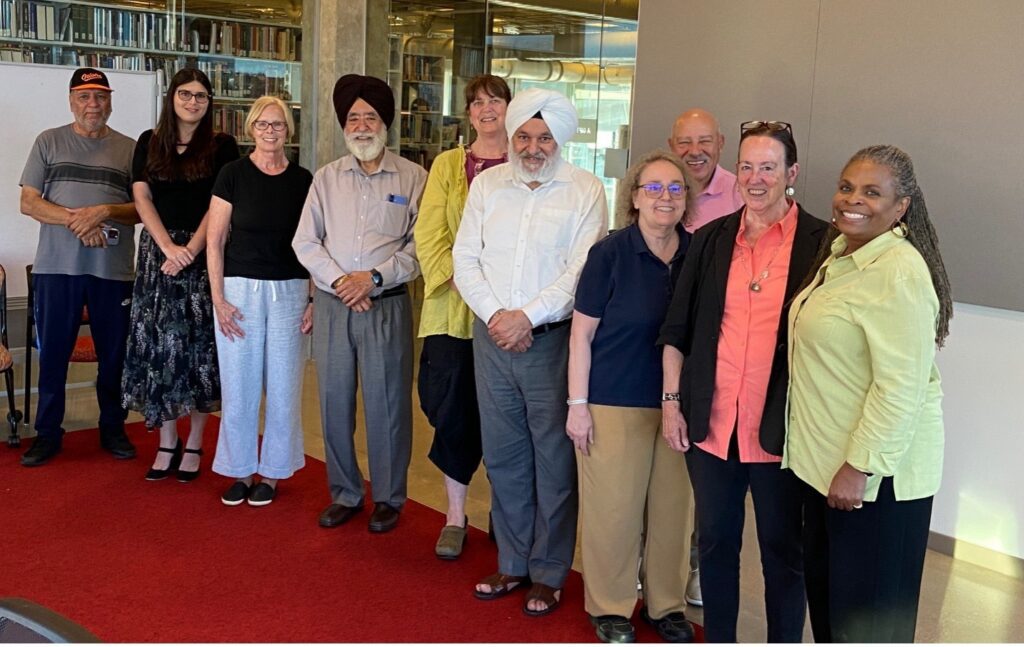
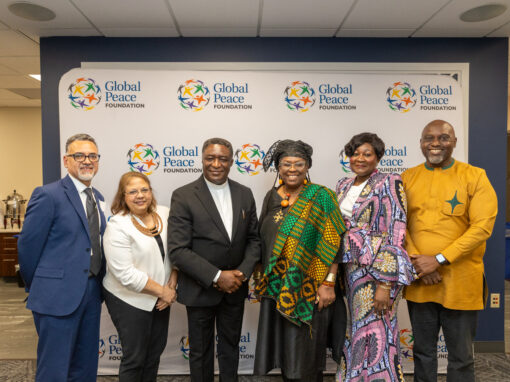
Group photo from the June Baltimore Community Peacebuilding Committee meeting
Leslie Parker Blyther, director of the Baltimore Police Department’s Equity Office, voiced her desire to facilitate a discussion between Dr. Gill and police department representatives to deepen their understanding of Sikh culture and religion. Dr. Gill was very receptive to this, and they exchanged contact information to continue the conversation. Ms. Blyther remarked, “I absolutely try to look to be there because you are just one of many people that others have no understanding or knowledge of, and if we can create that opportunity or window where people can just walk through and ask the questions sincerely and learn, that’s one step closer to where we want to get to.”
BCPC sessions offer attendees a “safe and brave” environment to engage in meaningful, and at times, challenging conversations that build trust and foster relationships rooted in a genuine desire to learn about and understand people from different backgrounds. Reverend Kevin Slayton, pastor of Northwood-Appold United Methodist Church, emphasized that “real conversation around peace and how we interact with one another will ultimately begin with truth telling.”
Dr. Gill’s presentation was well received by the attendees, who remained engaged throughout the evening. Paula Frankos, a BCPC member, shared her appreciation, noting, “Thank you. It was enlightening, and I learned a lot.” Closing the session, Kim Burton, BCPC co-leader, reflected on the impact of the discussion, saying, “I know I have been moved in this conversation and enlightened, and I think others feel the same way. We are so grateful that you came to share what you shared.”
If you’d like to learn more about our work—or explore ways to support or get involved—reach out anytime at bcpc-inquiries@globalpeace.org.