On International Mother Earth Day, it is easy to feel the weight of everything that is going wrong: rising temperatures, polluted rivers, and disappearing forests. The scale of it all can make individual action feel small, even insignificant. But real change rarely begins at the global level. It starts in communities, in shared effort, and in the quiet decision to care.
Across continents, the Global Peace Foundation (GPF) is helping turn that decision into action. Its work does not rely on grand promises or distant solutions. Instead, it focuses on people and on what happens when communities come together to protect the environment they depend on every day.
While International Mother Earth Day offers a timely moment for reflection, the work of caring for the planet continues every day in communities around the world.
1. Turning Service into Everyday Environmental Action
Preparations are in full swing at Kabuyefwe Primary School in Trans Nzoia County for the official launch of the 18th Chandaria Tree Nursery
At the heart of GPF’s approach is a simple idea: people protect what they feel connected to. Through its Development and Service initiatives, communities do not just learn about sustainability; they practice it together.
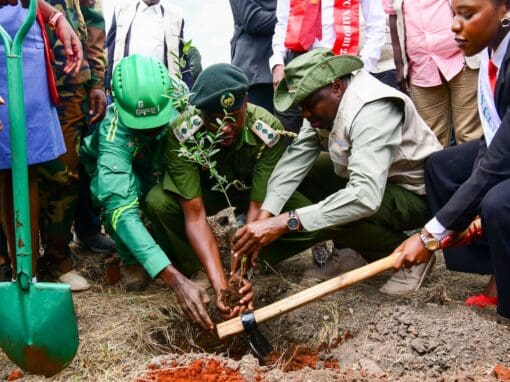
Environmental stewardship is something GPF has long advanced through its Development and Service initiatives. Whether through planting trees, restoring public spaces, or organizing clean-up drives, these activities bring people side by side. And something shifts in that process. The environment stops being “out there” and becomes something personal, something worth maintaining, protecting, and passing on.
Read more about it here:
GPF’s Development and Service Initiatives Strengthen Environmental Stewardship Globally
GPF’s Global Drive for Sustainable Peace and Development through Service
2. Growing More Than Trees in Kenya
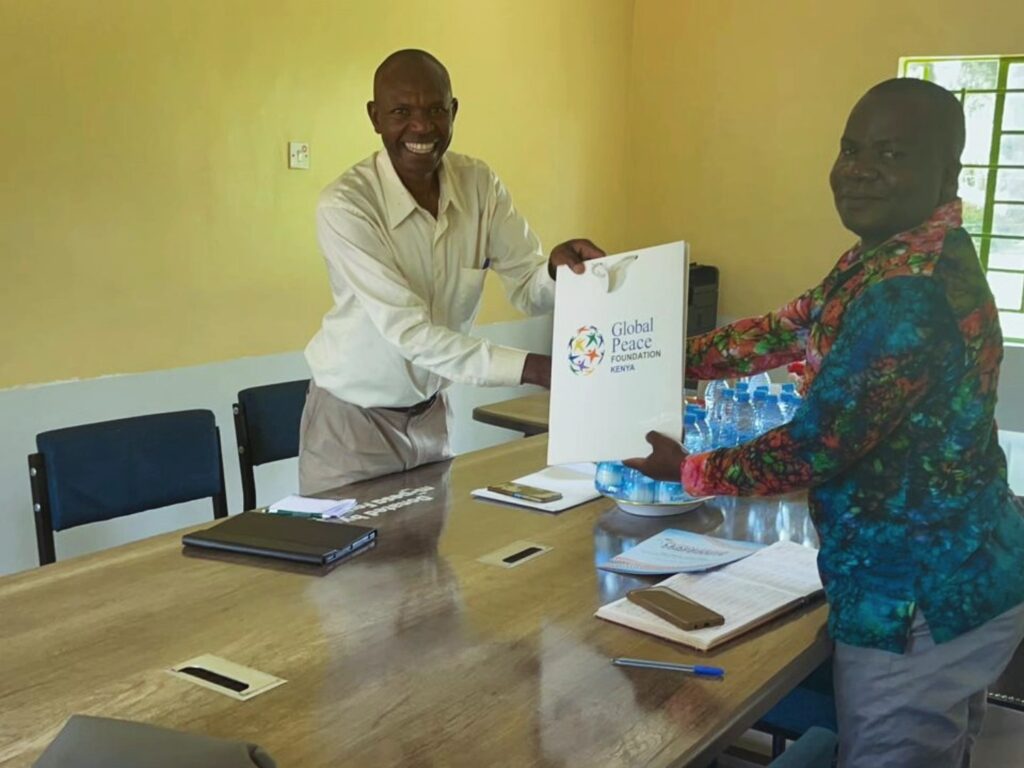
In Kenya, GPF’s partnership with the Chandaria Foundation has led to the Chandaria Tree Nursery initiative, but what is growing there is more than just seedlings. Schools and local communities are actively involved in nurturing trees from the very beginning. Students water them, monitor their growth, and eventually help plant them in their communities. It is a process that builds patience, responsibility, and pride.

A marathon participant holds seedlings donated by GPF Kenya and the Chandaria Foundation
The result is not just greener landscapes, but a deeper understanding of why those landscapes matter in the first place.
Read more about it here:
GPF Kenya, Chandaria Foundation and Partners Strengthen Environmental Conservation through the Chandaria Tree Nursery Initiative
3. Letting Young People Lead the Way
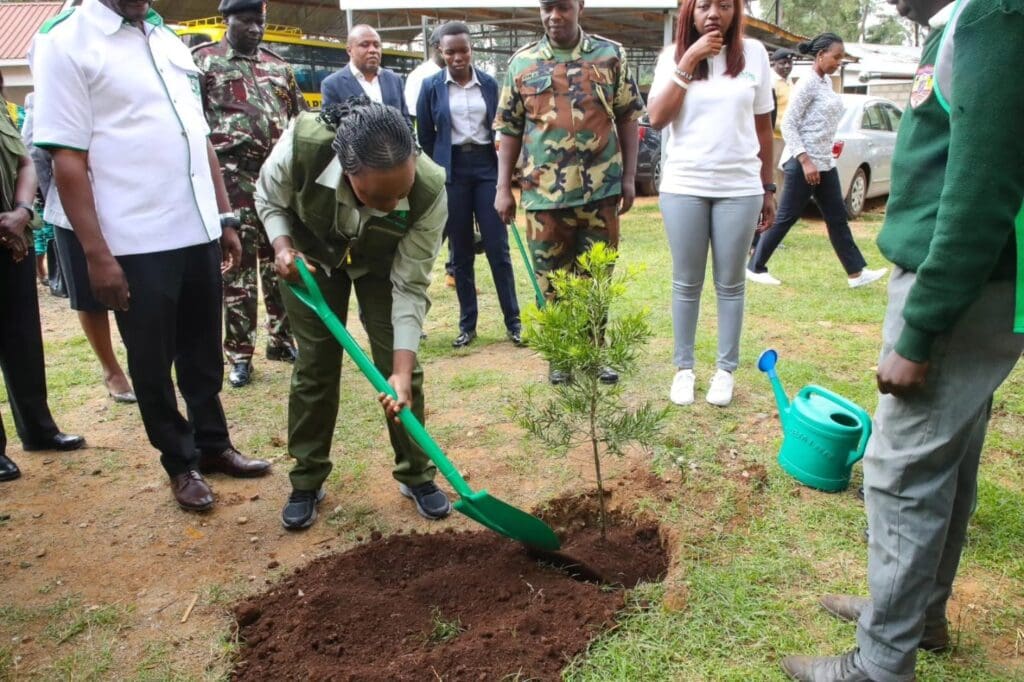
GPF Kenya works with partner to establish a tree nursery at Wareng High School.
There is something powerful about seeing young people take ownership of environmental change. Through initiatives like the Mbogi Green Tree Nursery, GPF is giving students more than knowledge; it is giving them responsibility. They are not just participating; they are leading, organizing activities, managing nurseries, and encouraging their peers to get involved. When young people are trusted in this way, they rise to it.
It is not just about building skills. It is about building confidence and a lifelong sense of accountability to the planet.
Read more about it here:
Empowering Climate Champions: GPF Kenya Supports Wareng High School’s “Mbogi Green” Tree Nursery Launch
4. Promoting Sustainable Living Through “Green Homes, Green Kathmandu”
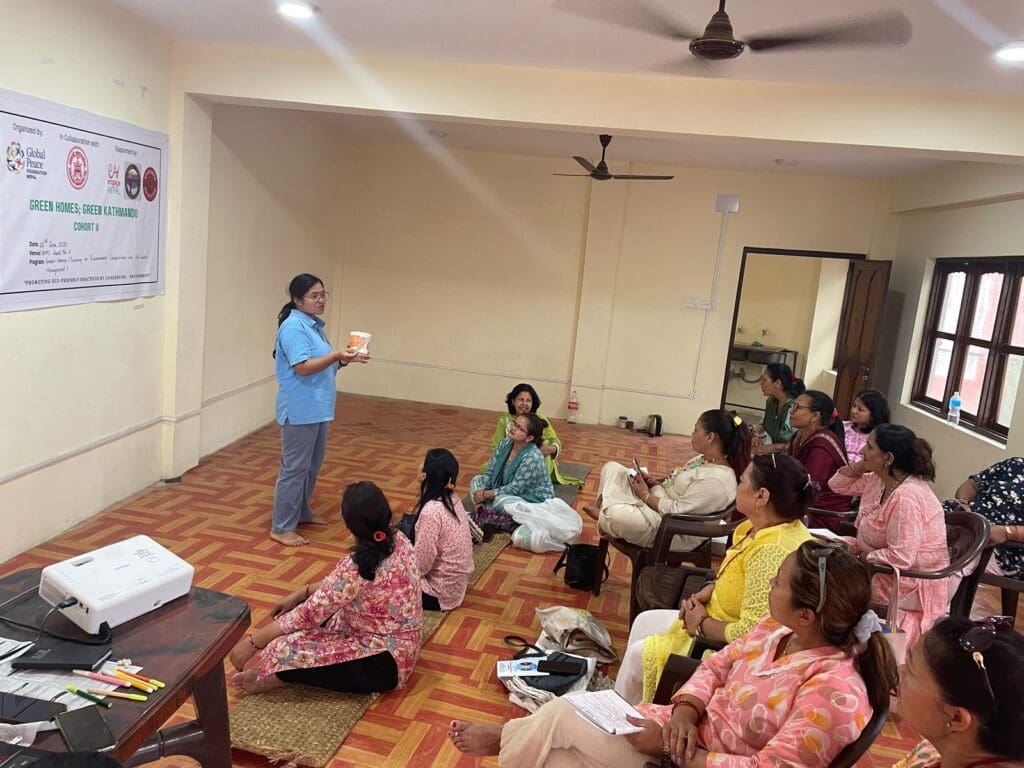
GPF Nepal organizes the Green Home Green Kathmandu project to empower local communities.
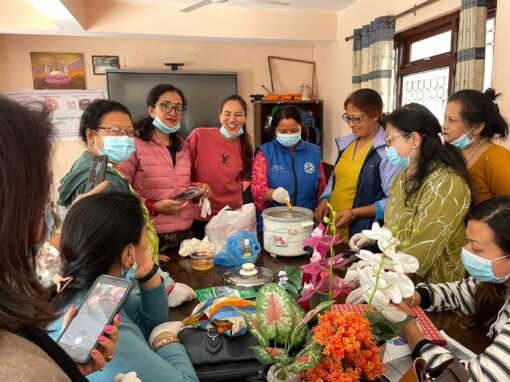
In Nepal, the “Green Homes, Green Kathmandu” initiative brings sustainability to life right where people live. GPF trains households in eco-friendly practices such as composting kitchen waste, growing rooftop or balcony gardens, conserving water, and adopting energy-efficient habits.
The initiative goes beyond individual homes. Families and neighbors share knowledge, support one another in implementing these practices, and collectively build greener, more resilient communities. By combining education with tangible action, GPF makes sustainability practical, measurable, and lasting.
Read more about it here:
GPF Nepal Expands Green Homes; Green Kathmandu Project with New Eco-Friendly Training
GPF Nepal Builds Sustainable Communities through Knowledge and Service
5. Connecting Communities Through Global Collaboration
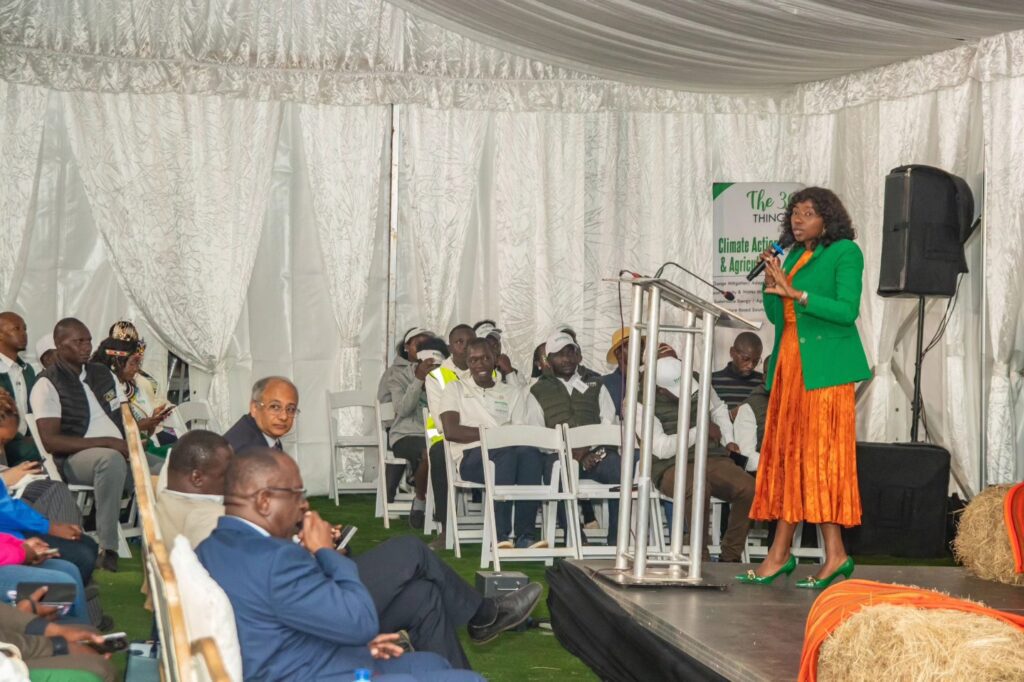
In her keynote address, Ms. Charlene Ruto, Founder and CEO of SMACHS Foundation, emphasized the importance of transformative partnerships in driving localized and continental aspirations
Environmental challenges do not stop at borders, and GPF recognizes the power of collaboration. Through events like BioEnviroCon 2025 in India and partnerships such as the SMACHS Centre of Excellence in Africa, GPF brings together students, researchers, educators, and community leaders to share knowledge, develop innovative solutions, and scale successful local practices.
These platforms connect grassroots action with global expertise, ensuring that solutions are informed, adaptable, and far-reaching. By fostering dialogue and collaboration, GPF helps communities think bigger while still staying grounded in local action.
Read more about it here:
Uniting Minds for a Sustainable Future: BioEnviroCon 2025 at IIT Delhi
GPF Africa Partners in the Launch of SMACHS Centre of Excellence and 2025-2030 Strategic Plan
6. Connecting Clean Water to Dignity and Health
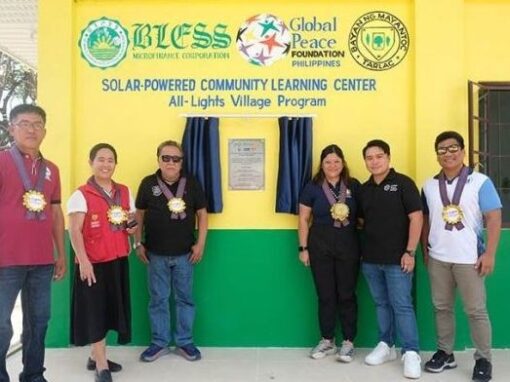
In Malaysia, GPF’s work around clean water highlights something we often overlook: environmental challenges are deeply human challenges. Access to safe water changes everything. It improves health, reduces strain on local ecosystems, and gives communities a sense of stability and dignity. It is not just about infrastructure; it is about creating conditions in which people can thrive. When communities are healthier and more secure, they are also better able to care for the environment around them.
Read more about it here:
Collaborating in Malaysia to Provide Communities Access to Clean Water
7. Restoring Biodiversity Through Regenerative Farming in Malaysia
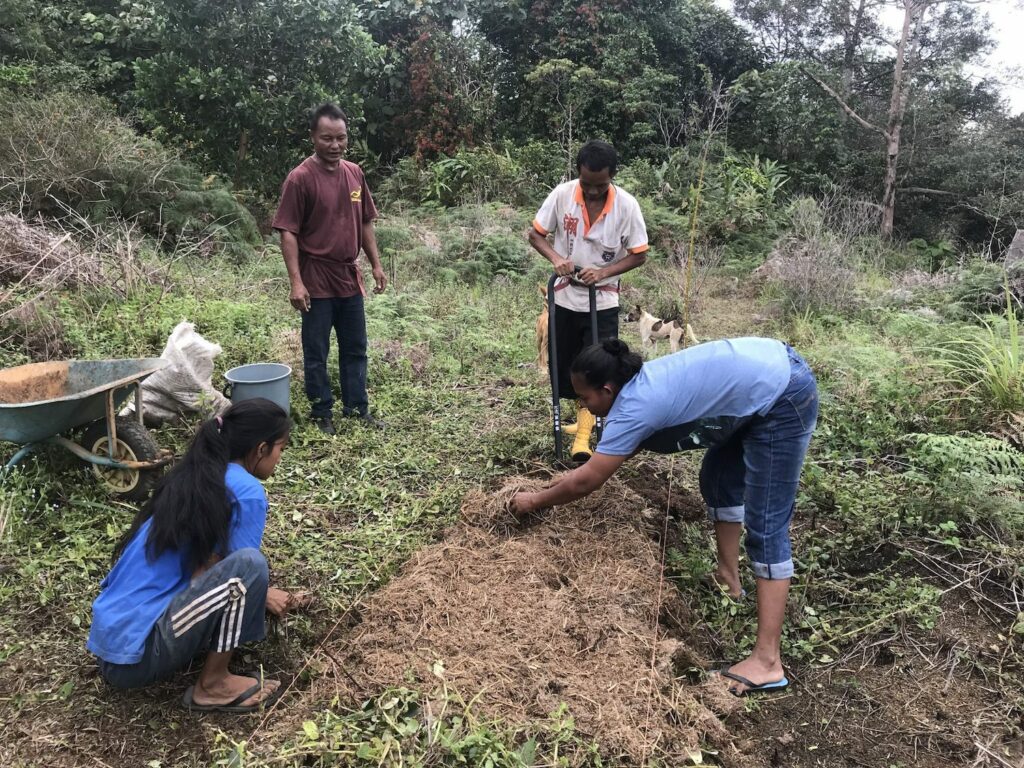
Farmers working on their syntropic farm plot
In Malaysia, where biodiversity loss has affected both ecosystems and local livelihoods, GPF Malaysia partnered with indigenous Orang Asli communities to introduce syntropic agroforestry, a regenerative farming system that mimics natural forests. By planting trees, shrubs, and crops together, the initiative restores soil, supports wildlife, and improves food diversity. Families have gained sustainable ways to feed themselves while protecting their surroundings, another strong example of community-driven environmental action.
Read more about it here:
Roots of change: fighting biodiversity loss in Malaysia
A Small Action Can Go Further Than You Think
What stands out across all of these efforts is not just what is being done, but how it is being done. It is not about quick fixes or one-time projects. It is about people showing up, again and again, for the places they live.
That is something worth holding onto. Change does not have to start big. It simply has to start. And if you are wondering how to be part of that change, supporting the work already happening on the ground is one of the most direct ways to do it.
The Global Peace Foundation is already helping communities plant trees, train young leaders, expand access to clean water, and make sustainability part of everyday life. But to reach more communities and deepen that impact, it needs collective support.
If this work resonates with you, consider making a donation to support GPF’s sustainability initiatives. Your contribution, no matter the size, helps turn small, local actions into lasting global change.
Because caring for the Earth is not just about protecting what we have. It is about choosing, together, what kind of future we want to build.