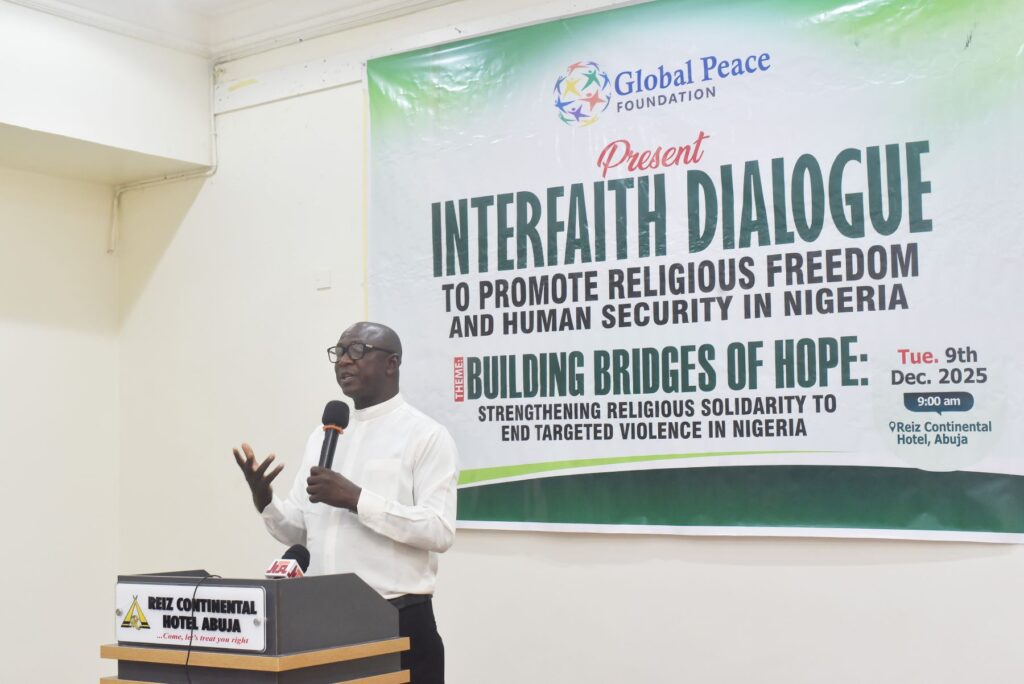
Rev. John Joseph Hayab stressed that religious and community leaders must rise above divisive narratives.
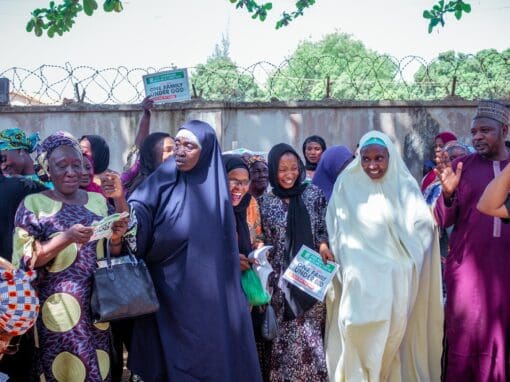
The collective power of interfaith leaders to promote a safe and peaceful environment in Nigeria was the focus of a high-level interfaith dialogue hosted by the Global Peace Foundation (GPF) Nigeria at the Reiz Continental Hotel in Abuja on December 9, 2025. With the theme of Building Bridges of Hope: Strengthening Religious Solidarity to End Targeted Violence in Nigeria, 41 diverse leaders: thirty prominent Christian and Muslim religious leaders, three paramount traditional rulers and influencers, and eight GPF directors and staff from the Washington, DC headquarters and Nigeria, gathered to engage in meaningful dialogue on religious freedom and human security.
GPF Nigeria Country Director Reverend John Joseph Hayab opened the one-day event. While emphasizing the critical need for moral leaders to collaborate in protecting human dignity and fostering unity, trust, and national security, he highlighted a source of strength rooted in Nigeria’s rich diversity as a foundation for sustainable peace. Additionally, Rev. Hayab emphasized GPF’s vision of “One Family Under God” and invited religious and traditional leaders to focus on our shared humanity as the basis for ethical leadership and reconciliation.
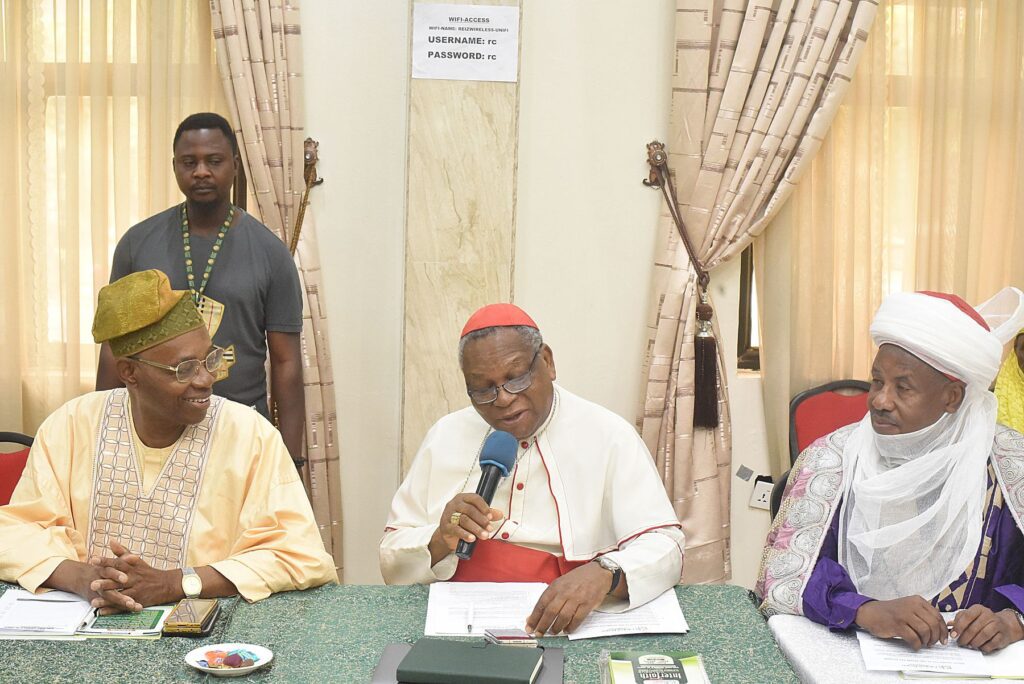
Following Rev. Hayab’s opening remarks, Reverend Stephen Panya Baba, vice president of the Christian Association of Nigeria (CAN), and Alhaji Hassan Attahiru, Emir of Bungudu, Zamfara State, delivered goodwill messages to the attendees. Citing Matthew 5:9, Rev. Baba called for faith leaders to commit to peacebuilding and engage in open and honest dialogue to address Nigeria’s escalating problems. Emir Attahiru remarked that every religion has a core message of humanity and collective wellbeing, calling on Nigerians to renounce perpetrators of violence and disassociate them from any faith. He further emphasized that peace and cooperation provide “enough space for all to think and succeed.”
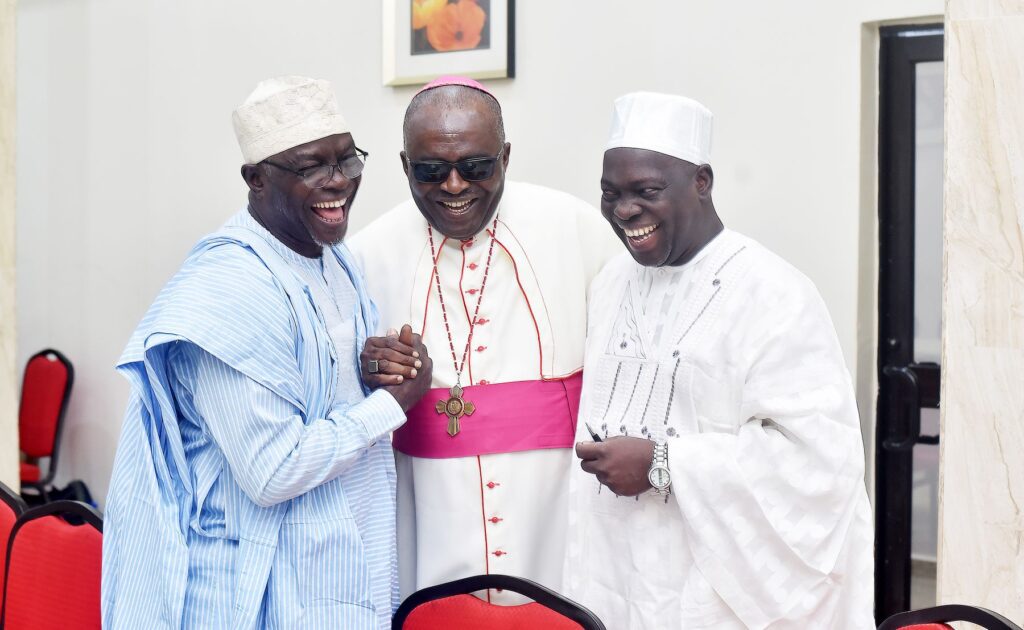
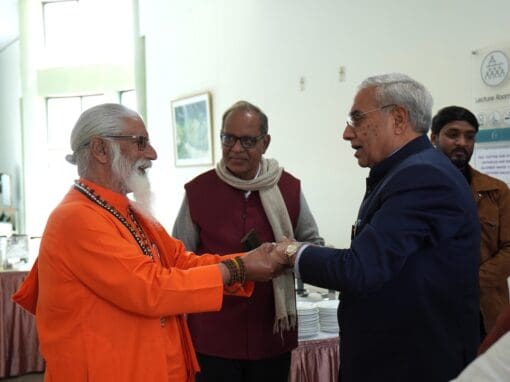
Religious and traditional leaders reconnect, exchange pleasantries, and embrace one another with smiles and warmth, celebrating fellowship and renewed commitment to peace after a long time apart.
“To protect life we must use moral authority to awaken the conscience of our nation, Nigeria.” (Fr Enyiaka)
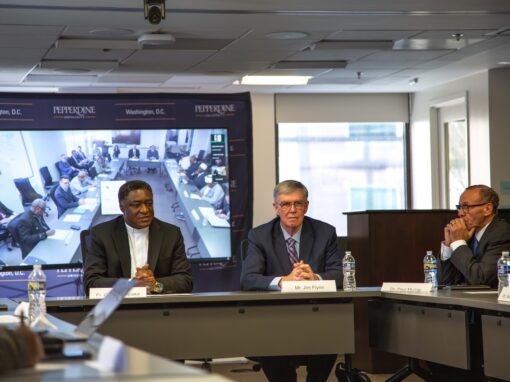
Next, Reverend Father Canice Chinyeaka Enyiaka, director of African Peace Initiative and Engagement at GPF Headquarters in Washington, DC, delivered the keynote address. Reinforcing the non-negotiable sanctity of life, he invited religious and community leaders to collaborate to end targeted violence. Fr. Enyiaka reiterated that when Nigerians embrace their common origin and shared humanity, they possess the strength to deliver a transformative impact, create unity, and rebuild trust among a diverse religious and ethnic population.
Several prominent leaders, including Cardinal John Onaiyekan, the Emir of Doma, Doctor Aliyu Amadu, and Reverend Doctor Dogara R. Gwana, emphasized that it is the shared responsibility of every Nigerian to create a secure environment. In addition, Alhaji Sani Suleiman advocated for the use of social media to promote positive narratives.
The attendees participated in interactive syndicate group sessions, resulting in the formation of a Joint Interfaith Advocacy Committee on Freedom of Religion or Belief, the adoption of a Joint Ubuntu Declaration, and an agreement to engage in activities, such as community-level early warning systems, which promote peace and security at the community and national levels. Furthermore, the leaders unanimously reaffirmed the sanctity of life regardless of religious or ethnic affiliation, thereby committing to lead by example using interfaith collaboration to promote peacebuilding policies, community activities, and national initiatives.
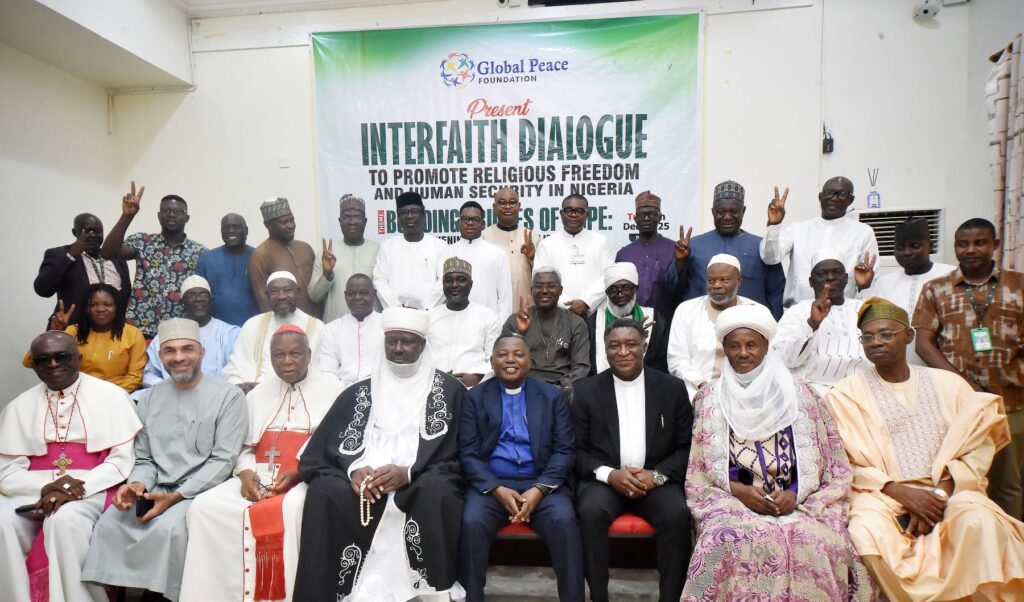
Group photo from the Interfaith Dialogue To Promote Religious Freedom and Human Security in Nigeria
Lasting peace and human security in Nigeria depend on the combined efforts of every level of society, including the power of collective interfaith commitment grounded in our shared humanity. The dialogue strengthened the culture of religious tolerance and moral leadership across Nigeria, underscoring the importance of interfaith collaboration and ethical leadership in combating targeted violence and promoting human dignity, respect, and national unity.