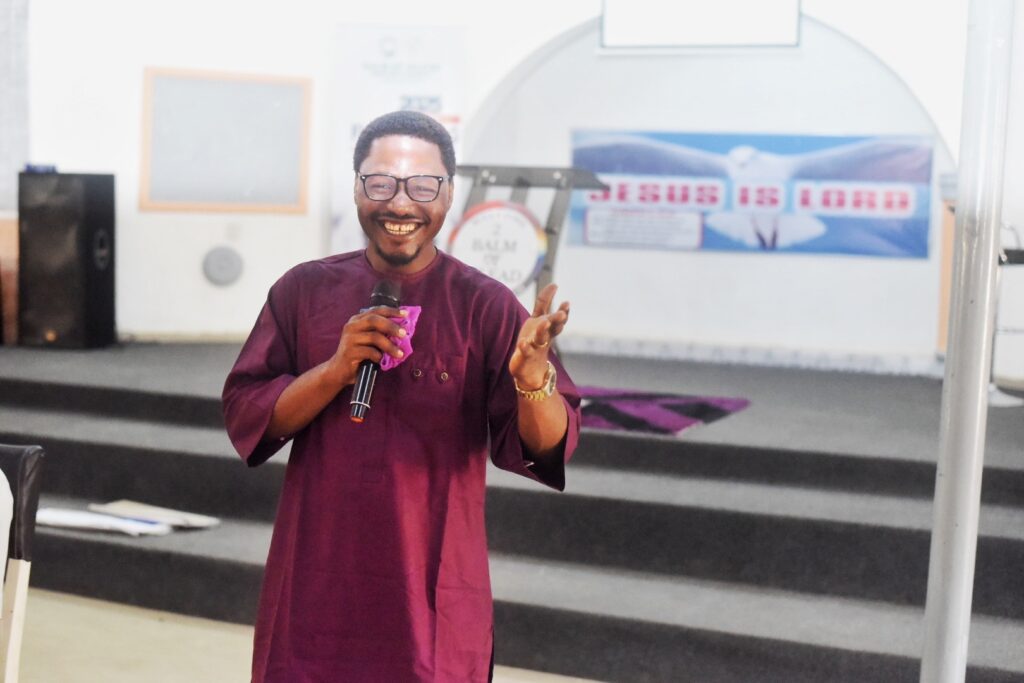
Rev. Danjuma Seth Wambai making remarks during the workshop.
“Nonviolence is the greatest force at the disposal of mankind.” This insight from Mahatma Gandhi captures the essence of peace as an active practice rooted in everyday human behavior. At the heart of this practice lies communication, how people speak, listen, and respond to one another, especially in moments of tension and disagreement.
Nonviolent communication is a practical and transformative approach that strengthens this force for peace. It is a framework that helps individuals express themselves honestly while listening to others with empathy and respect. Rather than assigning blame or making demands, nonviolent communication focuses on observing situations without judgment, expressing feelings, clearly identifying underlying needs, and making respectful requests. This shift in communication helps transform conflict into dialogue, opening pathways for understanding, cooperation, and lasting peace.
In families, nonviolent communication is especially important because it shapes the emotional and moral foundation of individuals. The family is often the first place where people learn how to relate to others, handle disagreement, and express emotions. When it is empathetic and respectful, it builds trust, emotional safety, and mutual understanding. These healthy patterns extend beyond the home, influencing how individuals engage in schools, workplaces, and community life.
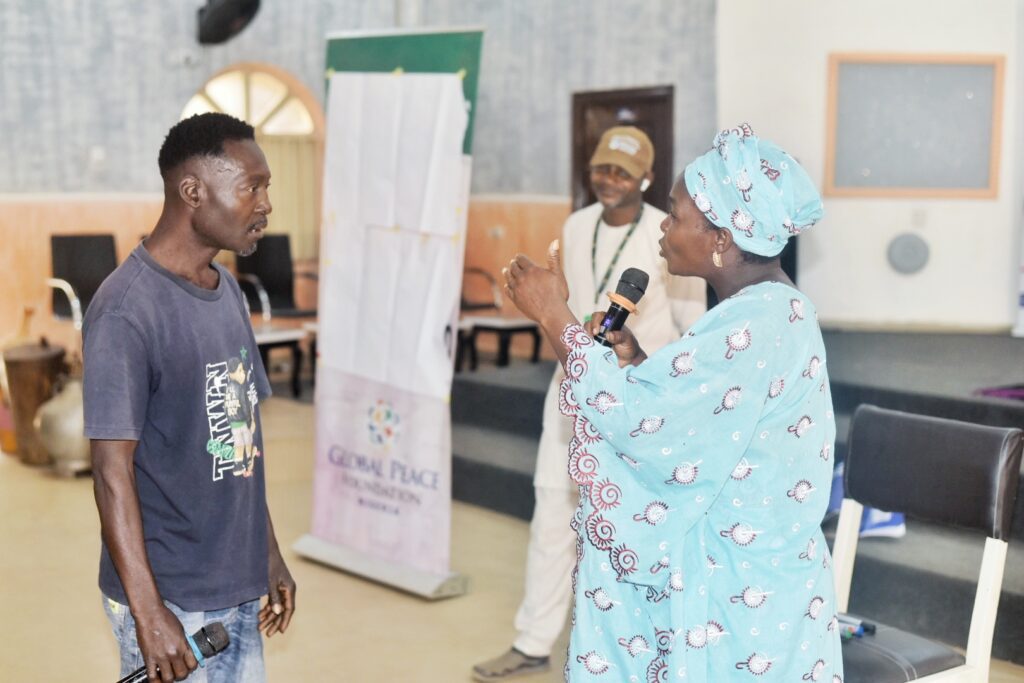
Participants practiced non-violent communication through role-playing exercises.
Within communities, nonviolent communication becomes a vital tool for peacebuilding. Diverse societies often experience tension linked to differences in religion, culture, ethnicity, and social status. Without skills for respectful dialogue, misunderstandings can easily escalate into conflict. Nonviolent communication empowers community members to engage across differences, recognize shared human needs, and foster relationships founded on dignity and respect. In this way, communication becomes a bridge to peaceful coexistence.
These principles were actively applied during a one-day capacity-building workshop on nonviolent communication, organized by the Global Peace Foundation (GPF) Nigeria, on December 4, 2025, at the Ungwan Gwari Community Hall. The workshop brought together 133 participants, including religious leaders, traditional and community leaders, and community members from diverse faith and ethnic backgrounds. Through interactive sessions, group discussions, and practical exercises, participants explored how communication patterns directly affect peace understanding and constructive engagement in families and communities.
The training focused on four core principles of nonviolent communication: observation, feelings, needs, and requests. Participants learned to distinguish between facts and assumptions, express emotions responsibly, identify the underlying needs behind actions, and communicate requests in ways that invite cooperation rather than resistance. These skills enabled participants to reflect on their own communication habits and recognize how everyday language can either escalate conflict or foster understanding. Many reported improved emotional awareness and a stronger ability to resolve disagreements peacefully.
The workshop also emphasized the connection between nonviolent communication, leadership, and service. Participants examined how empathy, accountability, and respect for human dignity are essential qualities for leaders and active citizens. By fostering dialogue across religious and cultural lines, the training strengthened interfaith and interethnic relationships and contributed to greater trust, unity, and collaboration within the Ungwan Gwari community.
Participant testimonies highlighted the personal and social impact of the training. Rev. Danjuma Seth Wambai, a cleric and community mobilizer, shared that people often provoke one another unintentionally through careless words. He noted that the workshop helped participants understand that both what they say and how they say it are critical for peaceful coexistence, and expressed hope that the practical lessons would be applied widely within the community.
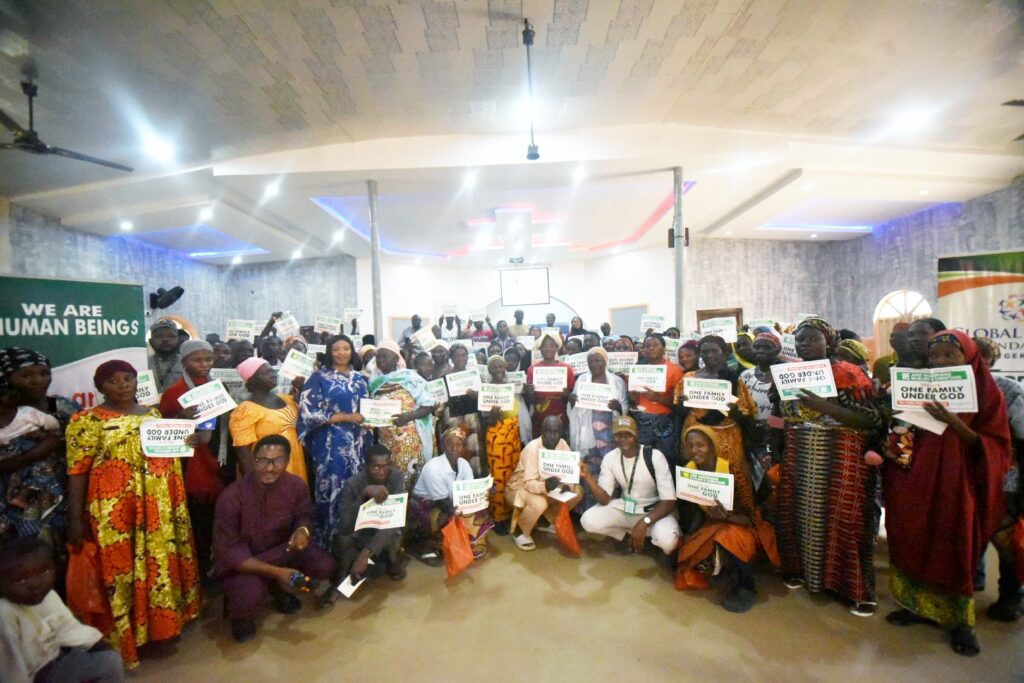
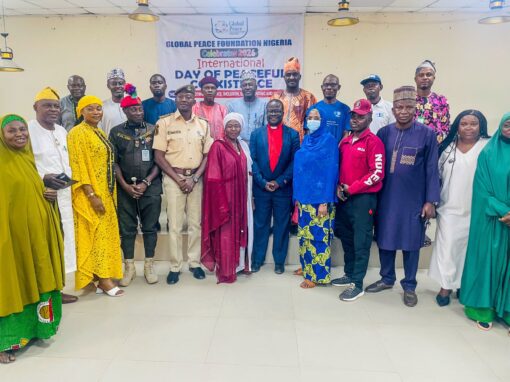
Training participants.
Rebecca John, a housewife and mother, described the sessions as simple yet deeply transformative. During the training, she reflected on biblical teachings about parents not provoking their children to anger and realized that there is always a better way to speak without causing offense. She shared that the training had completely changed her thinking and would influence how she communicates with her children, neighbors, and others around her. In her view, society would be more peaceful if people spoke to one another with the principles of nonviolent communication in mind.
Mallam Adamu Isah, a representative of the Muslim community in Ungwan Gwari, emphasized the importance of inclusivity and interfaith cooperation. He expressed gratitude for the workshop, describing it as highly informative and life-changing. According to him, his way of thinking had drastically changed, giving him a fresh direction in life and a better understanding of how to interact positively with others. He also shared his commitment to passing on what he learned to friends and neighbors, thereby extending the impact of the training beyond the workshop itself
These experiences illustrate how nonviolent communication contributes to sustainable peace by transforming mindsets, behaviors, and relationships. When individuals learn to communicate with empathy and clarity, conflicts are reduced, trust is strengthened, and communities become more resilient.
This work reflects the Global Peace Foundation’s broader commitment to community-driven peacebuilding. By equipping families, local leaders, and community members with practical skills and values-based peacebuilding frameworks, GPF supports communities to take ownership of peace within their own contexts.
Discover more about GPF’s work in the area of community-driven peacebuilding.