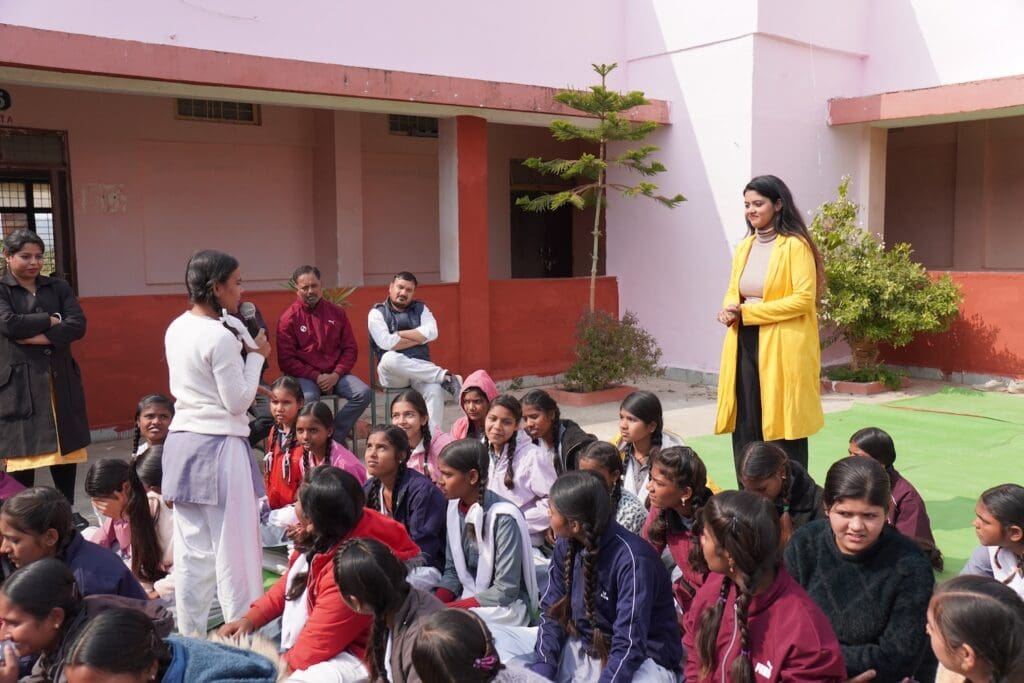
Students listen to a presentation on the PeaceHub campaign in India.
Every September 21, the world observes the International Day of Peace, a day devoted to strengthening the ideals of peace. This year, the United Nations theme is “Actions for Peace: Our Ambition for the Global Goals.” Join us as we commemorate the International Day of Peace with a series that highlights stories, initiatives, and insights that advance peacebuilding, featuring the work and vision of the Global Peace Foundation (GPF) and its chapters around the world.
This year’s theme, “Actions for Peace: Our Ambition for Global Goals,” resonates deeply as the world faces division, conflict, violence, and disasters. The theme strikes a powerful chord within all of us: that peace requires action. It asks each of us to contribute, no matter how small or big, to build a more just, safe, and peaceful world.
While history remembers the grand visible markers of peace with soldiers laying down arms, global treaties signed among presidents, the daily acts of peace in everyday lives are often not covered. Peace brews in daily lives, shaped in families, classrooms, marketplaces, neighborhoods, and even social media feeds. It is built in small moments; speaking up for a classmate being bullied, volunteering to clean parks and rivers, organizing campaigns for fundraising or mental health awareness, peace requires intentional action. While these actions may not always make the news, they are no less essential for the world we hope to live in.
Since its inception, one of the major works of GPF has been in grassroots peacebuilding; peacebuilding that starts from communities. GPF has worked with community members, faith leaders, and local officials to establish dialogue, build trust, and forge lasting relationships. Rooted in the universal principle of shared values and One Family Under God, GPF has bridged divides and strengthened the shared identity of the human family as one.
Here, we highlight these initiatives and campaigns of GPF and its field affiliates, fostering peace every day.
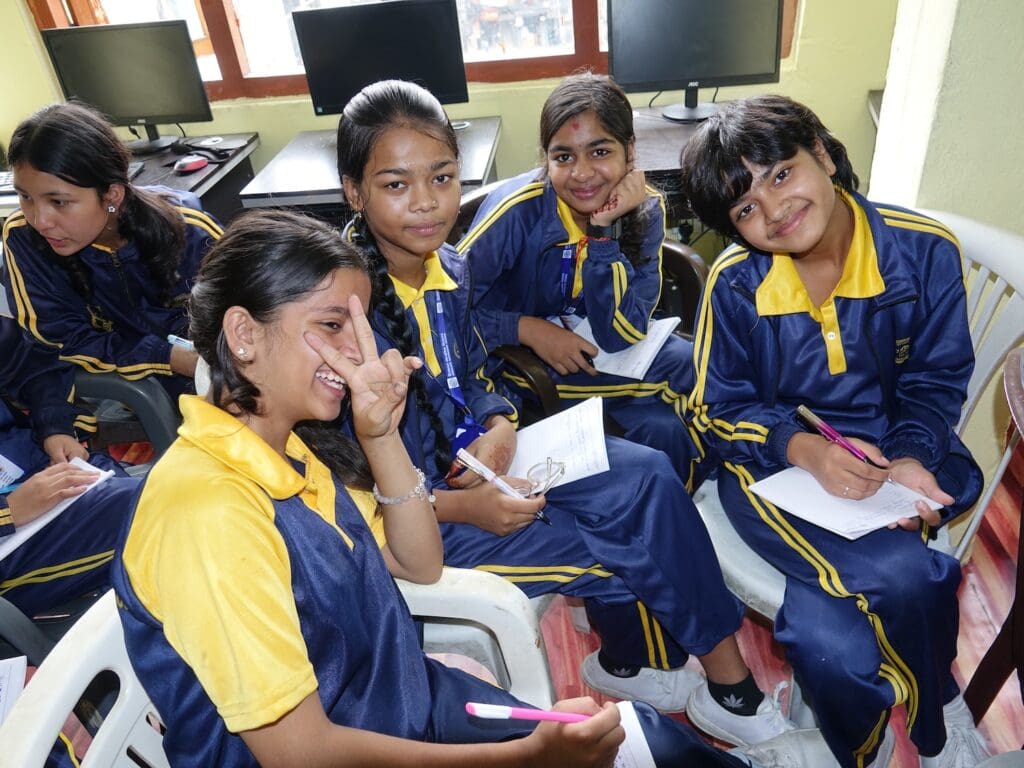
Students during a Project Saksham event discuss importance of values.
Peace Hub Campaign
Spearheaded by GPF India, the Peace Hub Campaign is an interactive public awareness and educational program designed for group study in communities. Exploring the root causes of potential conflict with case studies of community-driven peacebuilding with tools for attaining a more peaceful society, the Peace Hub Campaign brings diverse stakeholders together to collaborate and resolve problems in communities.
Peacebuilding Trainings at GPF Nepal
GPF Nepal, with its programs like Project Saksham, Project Shakti, and the Global Peacebuilders Leadership Programs (GPLP), has educated and empowered many youths, women, and volunteers in values-driven peacebuilding. The participants in these programs apply what they have learned in their daily lives, promoting peace starting from themselves, their families, and their communities.
Cross-Community Reconciliation

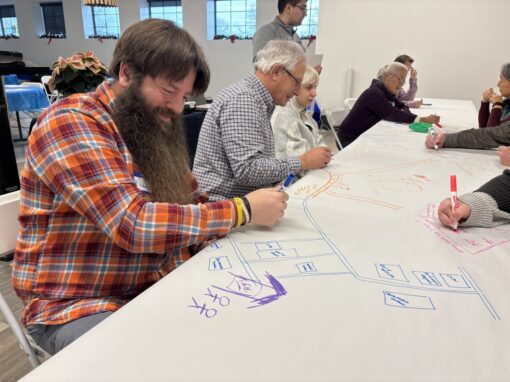
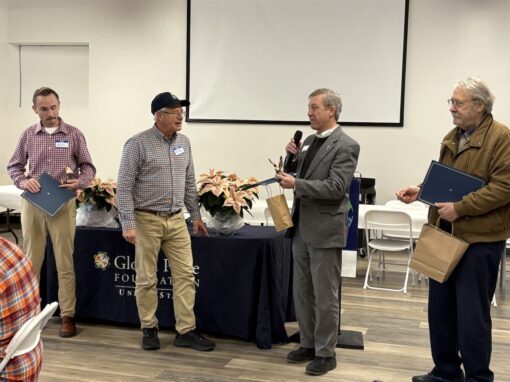
Cathy Little Leaf gives a presentation at a Cross-Community Reconciliation session pre-COVID.
GPF has quietly brought intentional healing through the Cross Community Reconciliation project in communities with histories of racial and cultural division. Piloted in the United States, such as in Montana and Baltimore, the initiative brings diverse people together to engage in honest dialogue, confront shared histories, and build empathy through shared facilitated sessions. Participants from Baltimore found the initiative to be “safe and brave spaces, where ideas can be exchanged empathetically and without fear.”
Community Driven Peace Building Campaign
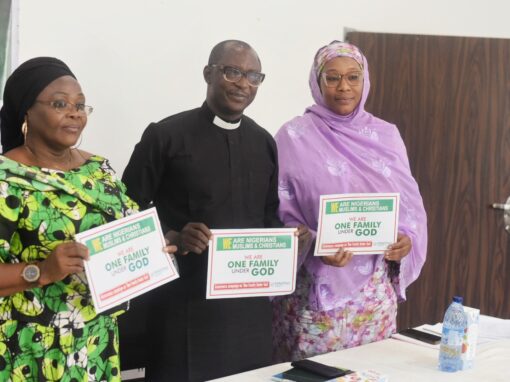
Nigeria has a history of tensions and conflict among different ethnic and religious communities, which are often fueled by political and economic disparities. GPF Nigeria’s community peacebuilding campaigns, such as the One Family Under God Campaign, peacebuilding workshops, interfaith dialogues, and peacebuilding trainings, have provided a platform to bridge the divisions. These campaigns have created safe spaces for dialogues, empowered local youths to be peace advocates, and facilitated conversations and service projects uniting people beyond differences. Grassroots initiatives such as these have built foundations for long-term stability and peace.
GPF’s community-centered approach to peacebuilding echoes that peace demands effort from the ground up and looking beyond differences. From cross-community reconciliation in the United States to fostering dialogues among different faith leaders, GPF’s initiatives show that peace is built through individual and collective efforts starting from communities and is built through universal values of shared human identity of One Family Under God, underneath all the diversity and differences.
As we reflect on this International Day of Peace, let’s look inward within ourselves, our homes, schools, and communities. Peace starts in the hearts and minds of individuals. It takes all of us to build tolerance, respect, and love for each other, all of which contribute to peace.
We call on everyone, individuals, community leaders, and organizations to join hands with GPF in advancing community-driven peacebuilding initiatives. Every action matters