“Education is the most powerful weapon which you can use to change the world,” Nelson Mandela once said. His words ring true in communities where access to education defines whether children will rise to their full potential or be held back by circumstance. Education is a pathway to hope, dignity, and opportunity. It opens doors to futures once thought closed, empowering young people to dream and equipping them with the tools to build better lives for themselves and their communities.
In Kaduna State, Nigeria, that pathway has too often been blocked for many families by one critical barrier: the cost of Senior Secondary Certificate Examination (SSCE) fees. For countless students, particularly girls, this financial burden has meant the difference between staying in school and dropping out.
In July 2025, the Global Peace Foundation (GPF) Nigeria, in collaboration with the Better Access to Secondary Education Initiative (BASEI), undertook a groundbreaking engagement with SSCE beneficiaries across three senatorial zones: Zaria, Kaduna, and Kafanchan. The initiative directly supported 120 students from 12 public secondary schools whose SSCE fees had been paid by the Kaduna State Government following consistent advocacy led by GPF Nigeria and its partners.
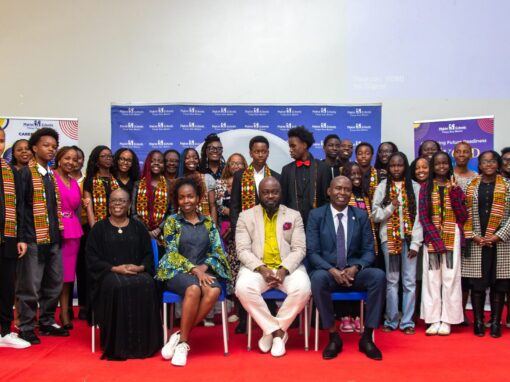
Over three days, students, teachers, principals and community stakeholders gathered in dialogue sessions to reflect on the impact of SSCE fee support. It was a moment of validation for families, encouragement for learners and a bold reminder that inclusive education is it is a moral responsibility as much as it is a policy.
“GPF Nigeria and BASEI have brought real change to our schools,” said Hajia Maryam, Principal of GGSS Zaria. “With the payment of SSCE fees, girls are staying in school, and families are breathing easier. This is a turning point for education in our communities.”
The sessions gave students the chance to share their experiences in English and Hausa, ensuring every voice was heard. Many recounted how the burden of exam fees had threatened their education and, for girls especially, increased the risk of early marriage or street hawking. With the fees now covered, students spoke with renewed confidence about their future.
Mrs. Helen Ibrahim, Principal of GGSS Kafanchan, highlighted the broader impact: “This program has instilled confidence in our students and reminded them that education is their right. What the government has done with the support of GPF Nigeria and BASEI is a landmark achievement that will shape the future of many young women.”
The initiative also strengthened peacebuilding. Through peace clubs, student mentorship, and collaboration with School Peace Management Committees, the engagement reinforced the idea that education and peace are deeply connected. According to Jibril Abdullahi, Chairman of the School Peace Management Committee, “This is about building not just educated girls but future leaders and peace champions. The payment of SSCE fees is leadership in action, showing concern for our future.”
The outcomes are already evident: reduced dropout rates, increased awareness of girls’ rights to education, and strengthened family support for keeping daughters in school. With more girls completing their education, the initiative is actively bridging the gender gap in secondary schooling and laying a foundation for social cohesion in Kaduna State. GPF Nigeria and BASEI have committed to ongoing mentorship, regular school visits, and strengthened partnerships with the Ministry of Education and Kaduna State Peace Commission. By integrating peace clubs and engaging community leaders, they are ensuring that the progress achieved will endure.
Learn more: Nigeria | Global Peace Foundation