A recent poll commissioned by Seoul National University’s Institute for Peace and Unification Studies found that only 39 percent of South Koreans say unification with North Korea is necessary, with support lower among people in their 20s and 30s. The findings underscore the work ahead: renewing public conviction around One Korea by making the vision meaningful, personal, and relevant to the next generation.
That is what made the 2026 Korean Dream Hangang Festa significant.
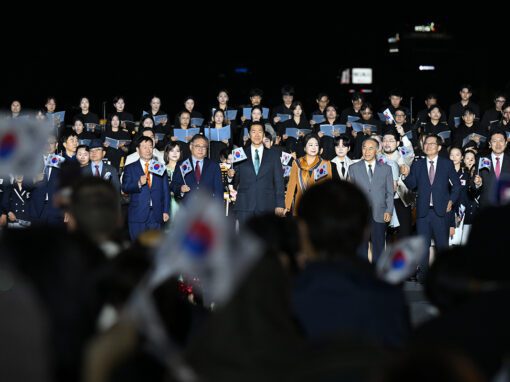
Held at Ttukseom Hangang Park on Korea’s National Foundation Day, the Festa brought together thousands of citizens, families, students, civic leaders, international guests, artists, and supporters of the Korean Dream for an evening that translated the vision of a free and unified Korea into a shared public experience.
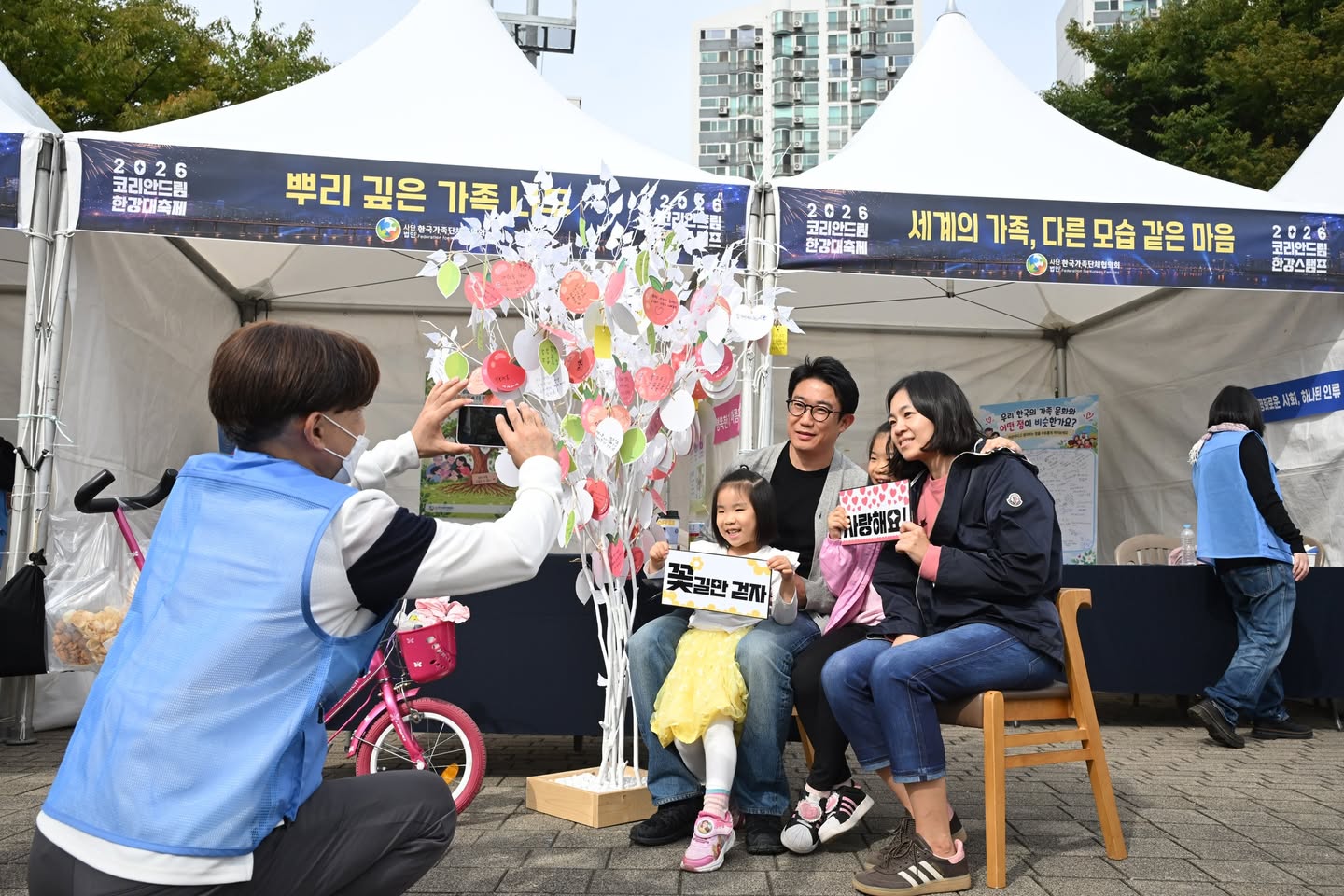
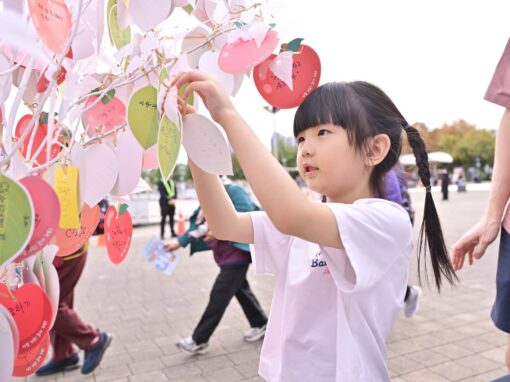
The Festa began with simple moments of participation — games, conversations, and shared hopes for One Korea.
Korean unification is often discussed through security, diplomacy, economics, and geopolitical risk. Those dimensions matter. The Festa added another essential dimension: unification also needs civic ownership, citizens who understand the dream, feel its urgency, and are prepared to carry it forward.
For leaders and stakeholders working on the future of the Korean Peninsula, the message was direct: public support for unification grows when people encounter the vision personally – in families, schools, civic spaces, culture, and the stories young people inherit about who they are and what future they can build.
Where Public Engagement Began
Before the main stage program began, participants moved through interactive booths designed to make Korean identity, history, and the hope for unification more accessible.
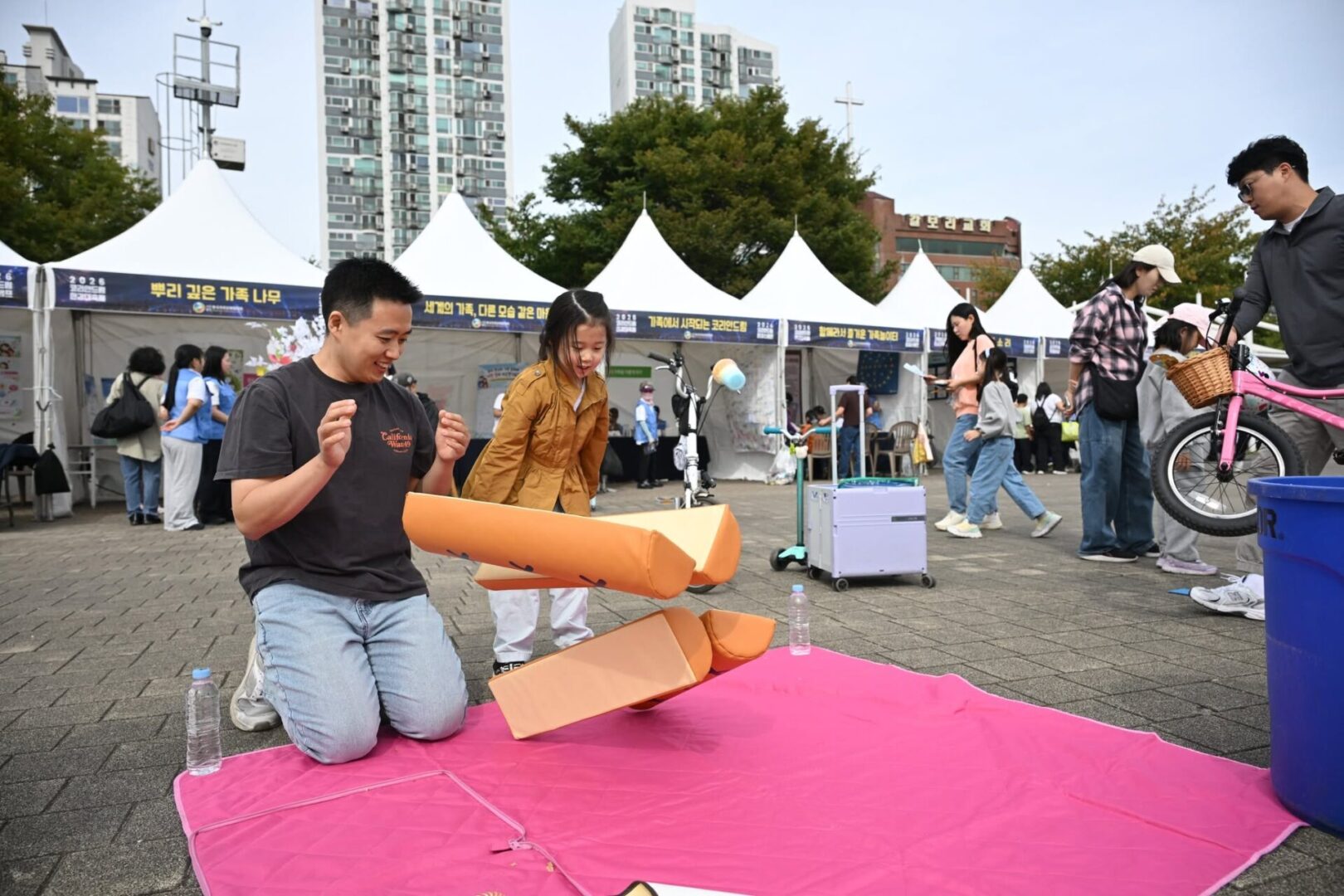
Traditional games like yutnori brought families and young people into the spirit of the Festa before the main program began
Families and young people played traditional Korean games such as yutnori and ddakji card flipping. Others joined activities that introduced Korean history and reflected on the meaning of the Korean Dream. At the wish tree, participants wrote hopes for the future, including wishes for Korean unification.
These simple activities helped set the tone for the evening. For children, the booths offered play and discovery. For families, they opened space for memory and conversation. For young people, they turned history and unification from distant concepts into something they could touch, write, and think about for themselves.
That public participation became one of the defining features of the night.
A Festival Rooted in Korea’s Founding Ideal
The Festa opened with performances that brought energy, memory, and national identity into the public space. The pre-show featured the Hanyang University Cheer Squad, the 10 Million Separated Families Choir, the Namoseom Ocarina Ensemble, and the Taekwon Ten Heroes Troupe, setting a tone that moved between celebration and remembrance.
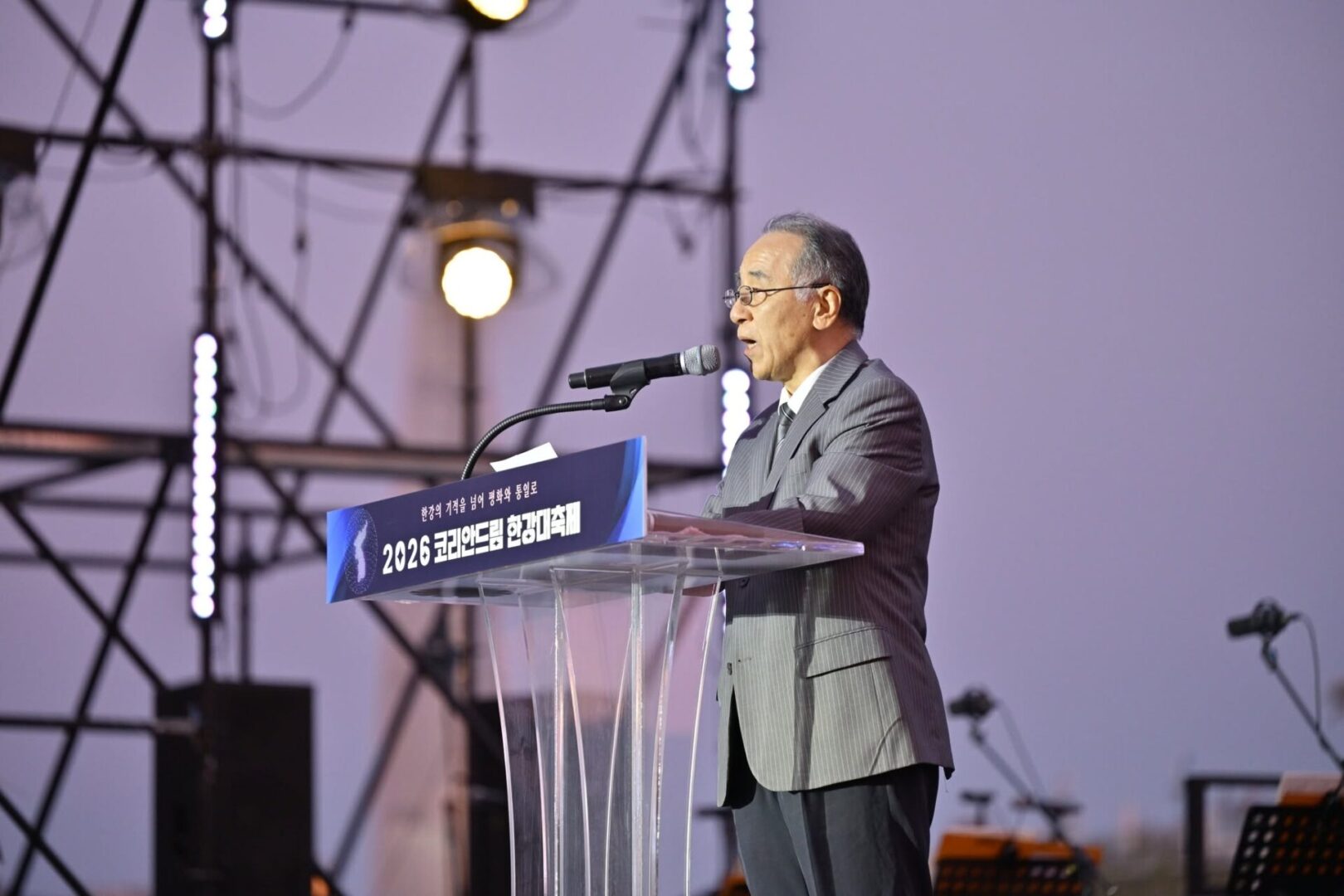
Chung-hwan Kim, co-chair of the Korean Dream Hangang Festa 2026, welcomes participants from Korea and around the world
In his welcome address, Chung-hwan Kim, co-chair of the Korean Dream Hangang Festa 2026, placed the gathering within the meaning of National Foundation Day and Korea’s founding ideal of Hongik Ingan. He also recognized Koreans who could not be present, including those in North and South Korea and the Korean diaspora around the world. His remarks widened the scope of the evening beyond the crowd at Ttukseom Hangang Park, pointing to a shared Korean identity that extends across borders and generations.
The message was clear: the Korean Dream gains strength when it is carried by the people themselves – by ordinary citizens, young people, separated families, and Koreans around the world who see unification as part of Korea’s unfinished future.
The welcome soon became a shared declaration as the audience joined a call-and-response for “Korean Dream” and “Peaceful Unification.”
Dr. Moon: A New Future for Korea
In his keynote address, Dr. Hyun Jin Preston Moon, founder and chairman of the Global Peace Foundation, placed the evening within the longer story of Korean civilization. Speaking on National Foundation Day, he described Hongik Ingan as a defining ideal at the heart of Korean identity and a unique heritage of the Korean people.
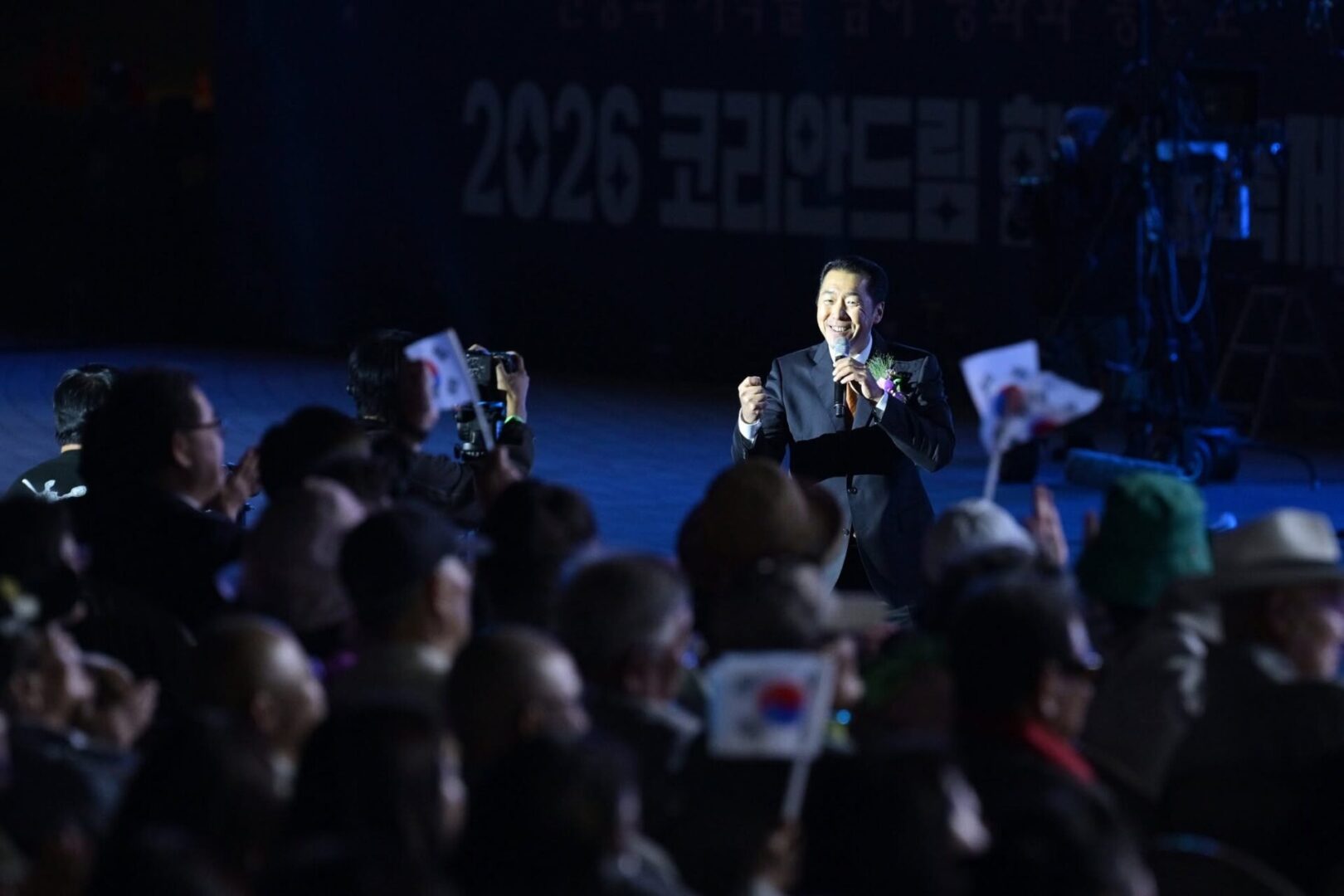
Dr. Hyun Jin Preston Moon delivers the keynote address, calling Koreans to take ownership of the Korean Dream.
For Dr. Moon, the Korean Dream is a way to recover Korea’s deepest identity and apply it to the unfinished question of national division. He connected the dream of a unified peninsula to the hopes of Korea’s ancestors and to the creation of “an ideal nation capable of leading the world toward peace.”
He called on Koreans beyond the movement itself to become part of the vision, urging “every Korean” to become an owner of the Korean Dream.
His address also looked directly to the next generation. Dr. Moon emphasized the importance of educating young people about the meaning of unification and Korea’s national responsibility, arguing that the Korean Dream should be passed on as part of the country’s future vision. Near the close of his keynote, he asked the crowd what future they would create. The audience responded: “A new future.”
That exchange captured the heart of the evening. The Korean Dream was presented as something people must choose, carry, and act on together.
A Concert That Told Korea’s Story
Following the opening ceremony, the Korean Dream Crossover Concert transformed the message of the Festa into music and shared emotion. The concert unfolded in four acts, each carrying a distinct theme in the story of Korea and the hope for unification.
Act I: Origins of the Korean People and the Founding Ideal connected the evening back to Korea’s beginning. The Grand Philharmonic Orchestra performed Light Cavalry Overture, followed by Ode to Joy performed by the Grand Philharmonic Orchestra and Noi Opera Chorus. The act reminded the audience that the Korean Dream is not a new invention, but a recovery of something deeply rooted in Korea’s founding vision.
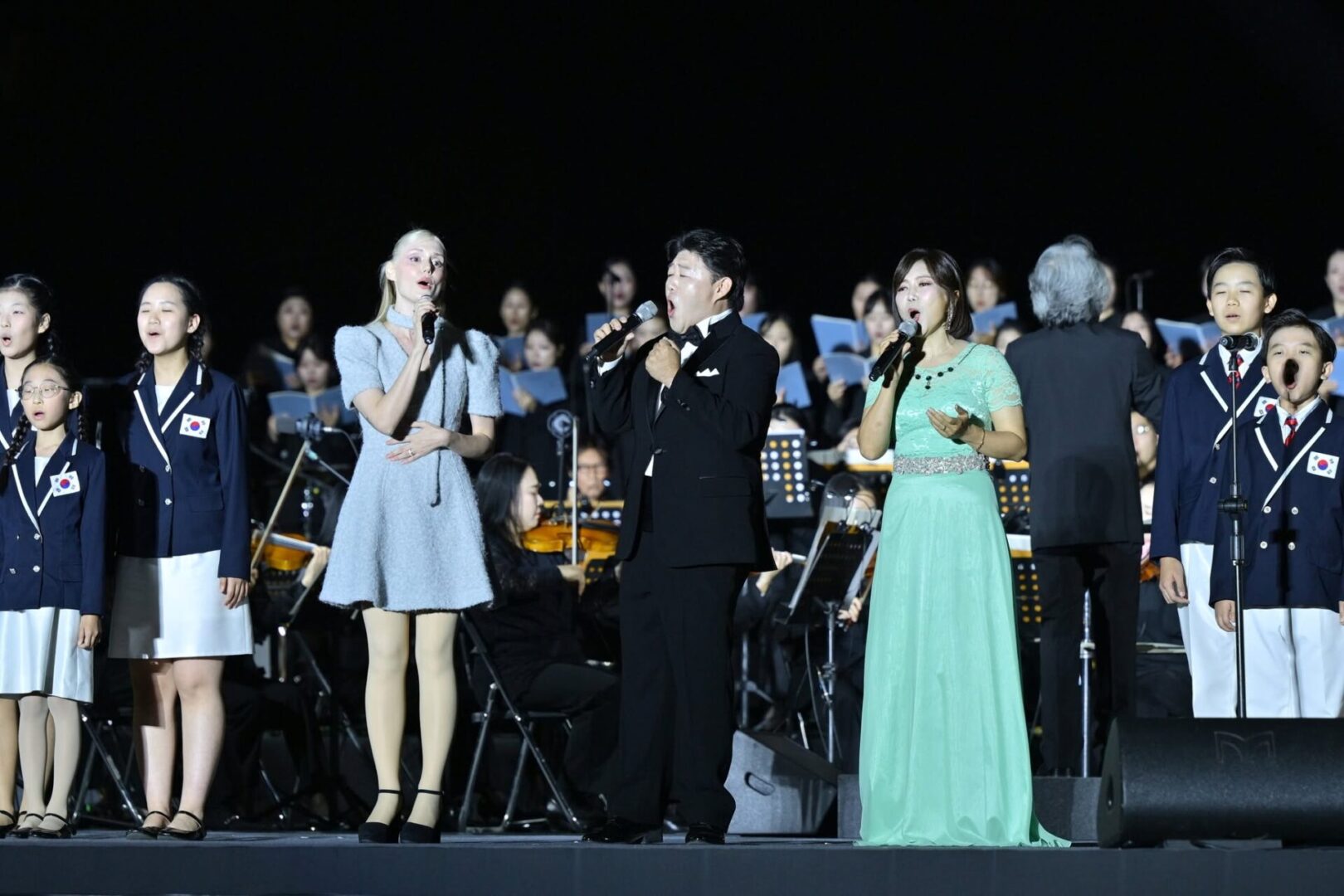
Lara Benito, Se-kwon Ahn, and Hyang-jin Jeon performed “Holo Arirang,” bringing together voices of sorrow and hope in a moving reflection on Korea’s divided past and unified future
Act II: The Wounds of Division moved the audience into the pain of separation. Hyang-jin Jeon performed Imjin River and Spring in My Hometown, followed by Soon-young Kim with Thorn Tree. The Grand Philharmonic Orchestra performed Tae Guk Gi: The Brotherhood of War OST, evoking the sorrow of divided families, unreachable hometowns, and a people still carrying the scars of war and separation. This act gave emotional weight to the word “unification.” It reminded participants that division is not only a political condition. It is a human wound.
Act III: Beyond the Wounds, Toward the Promise of Unification shifted the mood toward healing and hope. Soon-young Kim and Se-kwon Ahn performed Nella Fantasia, while Phantom Friends and Noi Opera Chorus performed Evergreen. Lara Benito performed The Wind Blows and Golden, and Hyang-jin Jeon, Se-kwon Ahn, and Lara Benito performed Holo Arirang. Together, these performances pointed to resilience, memory, and the possibility that Korea’s story can move beyond loss.
At the center of the evening was the Korea Link Unification Broadcasting Fund Campaign, connecting the cultural program to a practical effort to reach North Koreans with information and hope. The campaign gave the Festa an important bridge between public celebration and concrete action, reminding participants that the dream of unification must also reach those who live under isolation.
Act IV: The Korean Dream: Our Wish for Unification and the Citizens’ Chorus brought the message directly to the people gathered at the Han River. Phantom Friends and Noi Opera Chorus performed Korean Dream: Come, O Glorious Light!, followed by What a Wonderful World performed by Se-kwon Ahn and the History Children’s Choir. The concert closed with My Country, My People and Our Wish Is Unification, performed by all performers with an audience sing-along.
From Festival to Responsibility
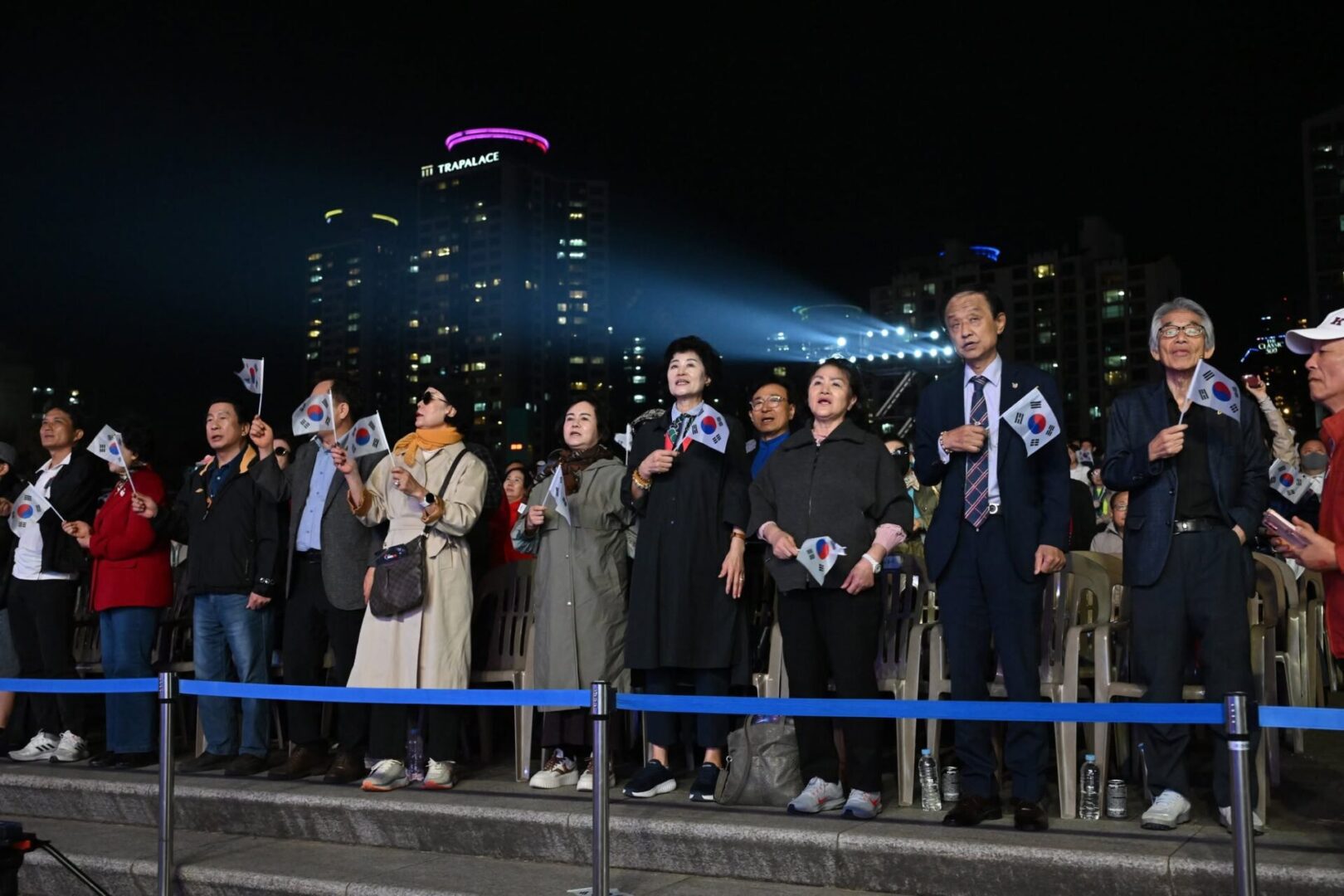
The Korean Dream belongs to the people, and it moves forward when citizens choose to remember, teach, and act.
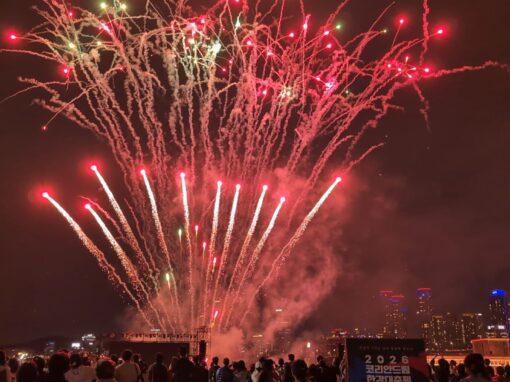
The evening concluded with Light of Unification, a fireworks show over the Han River that gathered the shared hope and will for unification into a final image of light over the city.
The booths, performances, and public gathering all carried the same message: the Korean Dream moves forward when people carry it.
It moves through families who remember the pain of separation, young people discovering what unification means for their future, communities keeping the hope alive, and efforts to bring information, hope, and connection to the people of North Korea.
The invitation now is to carry the Korean Dream beyond the Han River: talk about it, teach it, share it with the next generation, and support the work that keeps the vision of One Korea alive.
At a time when surveys show declining public conviction around unification, the Festa offered a timely response. The future of One Korea will require strategy, diplomacy, and international cooperation. It will also require citizens willing to carry the work forward so that the dream of a free and unified Korea becomes more than a hope remembered on National Foundation Day.