On December 14, 1959, a ship left the Japanese port city of Niigata carrying thousands of Koreans toward Cheongjin, North Korea. The departure was accompanied by tears, farewells, and public celebration. For those on board, the journey represented very different things: for some, the hope of a better life; for others, a return to what they understood as their homeland; and for many families, a decision that would permanently change the course of their lives.
The journey marked the beginning of one of the largest population movements from Japan to North Korea during the Cold War. According to Sonia Ryang in her 2023 article Japan, North Korea, and the Biopolitics of Repatriation, more than 93,000 people were relocated from Japan to North Korea between 1959 and 1984. They included Koreans who had come to Japan during the colonial period and their descendants, as well as approximately 1,830 Japanese spouses. An estimated 6,800 Japanese citizens, including descendants of Japanese spouses, were ultimately part of the movement. Ryang notes that the majority would never return to Japan.
At the time, however, the project was presented very differently.
The repatriation was organized through negotiations between the Japanese Red Cross and the North Korean Red Cross, with the International Committee of the Red Cross acting as an intermediary and observer. It was widely welcomed in Japan as a humanitarian initiative, supported by the Japanese government, media, civil society organizations, and many Koreans living in Japan. North Korea was portrayed in remarkably positive terms. Japanese journalists and visitors described it as a young and rapidly developing country, while North Korea and Chongryun, the organization representing pro-North Koreans in Japan, promoted the idea of North Korea as a “paradise on earth.”
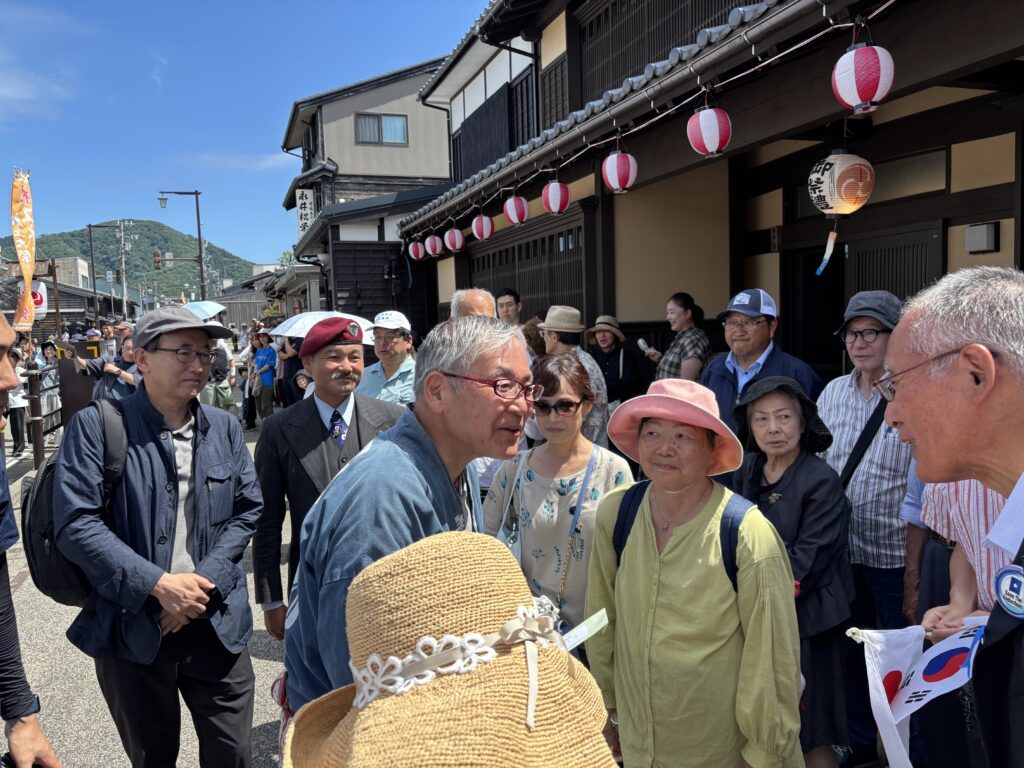
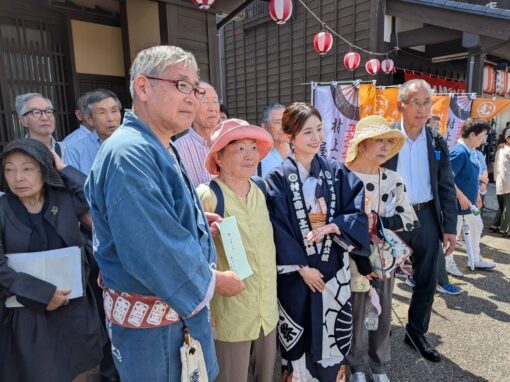
New Boat People Association Coordination and Field Visit at Murakami City Niigata
Niigata became the centre of this story in Japan. As the port from which the repatriation ships departed, it became a place where families gathered before leaving and where local communities publicly supported their departure. Ryang describes how local media portrayed the repatriation as a hopeful journey, with families preparing to return to their homeland and Japanese supporters celebrating their departure.
But the hopes surrounding those departures collided with a very different reality.
Many of those who chose to leave Japan were living in poverty and saw the promise of housing, employment, education, healthcare, and a more secure future as an opportunity for a better life. Others were motivated by a desire to live in what they believed was their homeland or to give their children opportunities they felt were increasingly difficult to secure in Japan. Their decisions cannot simply be understood through the politics of the Cold War. They were also decisions made by parents, children and families trying to imagine a better future.
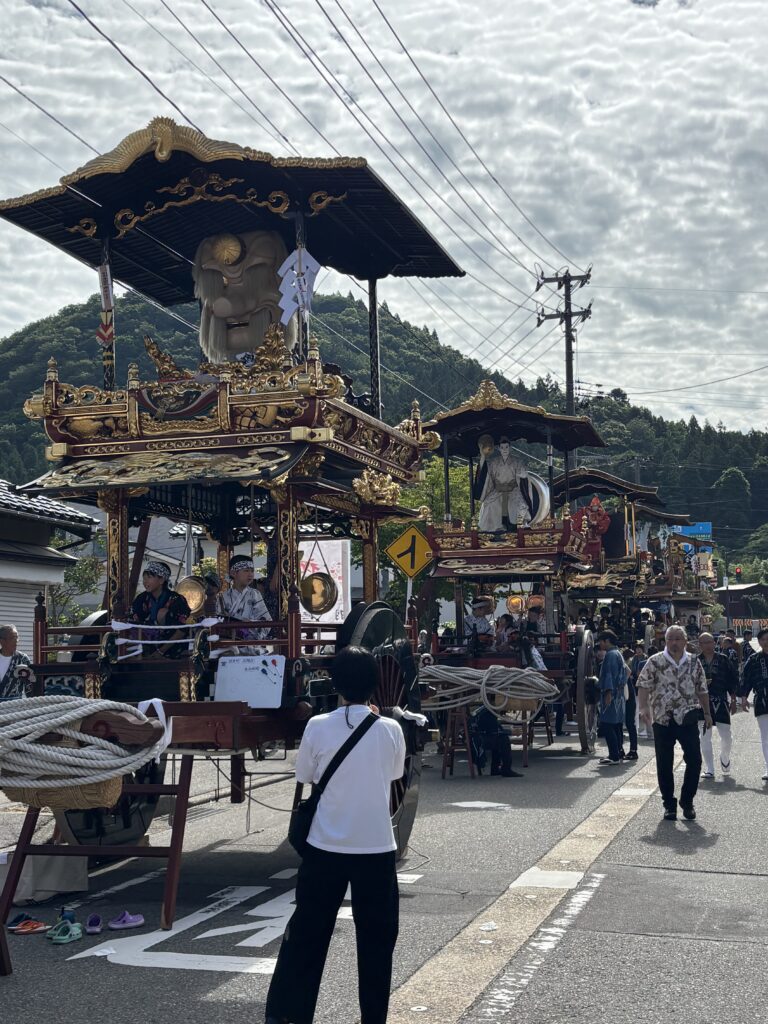
New Boat People Association Coordination and Field Visit at Murakami City Niigata
For some, the reality they encountered after arriving in North Korea was devastating. Ryang describes the profound contrast between the image of prosperity that had been presented in Japan and what some repatriates saw upon approaching Cheongjin. The promised abundance was not there. Instead, many encountered severe material hardship and restrictions that they had not anticipated. Once they had arrived, returning to Japan was not a realistic option.
The consequences extended far beyond the people who boarded the ships.
Families were separated across borders. Communication with relatives in Japan became extremely difficult, with correspondence often taking months to arrive. People who had been born in Japan or had spent much of their lives there found themselves cut off from their families, communities, and places of origin. Ryang observes that the repatriation ultimately affected not only those who left but also the families and friends who remained behind.
This is what makes remembering the history important.
The repatriation project is not simply a story about relations between Japan and North Korea, nor is it only a chapter in the history of the Korean Peninsula. At its centre were human beings whose lives were shaped by decisions made within a complicated structure of governments, organizations, political interests, ideology and humanitarian claims.
As Ryang writes, the structure of power surrounding the repatriation was complex, and so were the lives experienced by those who were repatriated. Her account cautions against reducing the history to a simple story of one government or one political conspiracy. Instead, it brings attention back to the people whose lives unfolded within those larger forces.
That human dimension is also why the memory of Niigata remains significant today.
Among those who left Niigata was Eiko Kawasaki. She was 17 when she departed Japan for North Korea in 1960. She would spend 43 years there before escaping in 2003. Her experience transformed her into one of the most prominent voices calling attention to the consequences of the repatriation project and the human rights of those who were affected by it.
Kawasaki later became chair of Action for Korea United Japan and founded the New Boat People Association, helping to keep the history of the repatriation project visible in Japanese society. In Niigata, efforts have also been made to preserve the memory of those who departed. A street known as Bodnamu, named after the willows planted by Koreans in Japan and supporters in 1959, has become part of these efforts to reconnect the physical landscape with a history that might otherwise fade from public memory.
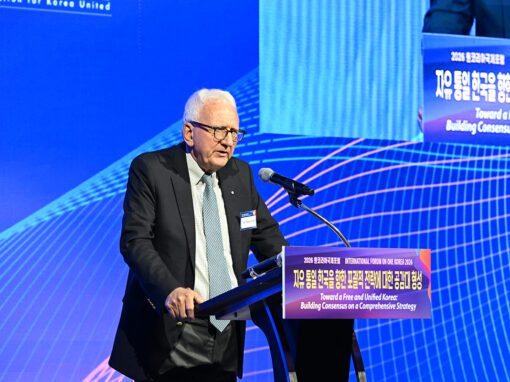
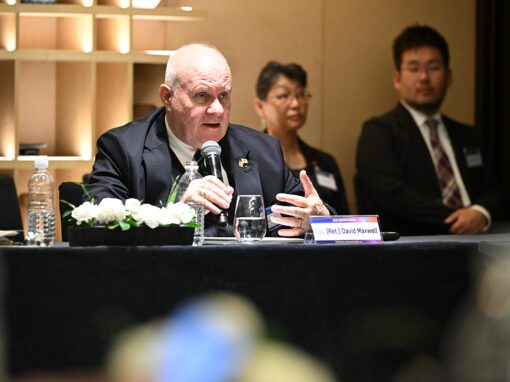
In July 2026, this history became the focus of a field visit by Global Peace Foundation (GPF) Japan and partners from the New Boat People Association. The three-day visit to Niigata involved meetings with local stakeholders, visits to relevant sites, and discussions about the historical repatriation project. The purpose was both to revisit the past and to better understand how the history can inform public awareness of North Korean human rights today.
The visit also brought together people whose experiences and roles connect different parts of this history. Working alongside North Korean escapee-led partners, including Eiko Kawasaki and Lee Sora, the engagement placed lived experience alongside historical research and local memory. The collaboration reflects an important principle in peacebuilding: histories of conflict and division cannot be fully understood without listening to the people whose lives have been shaped by them.
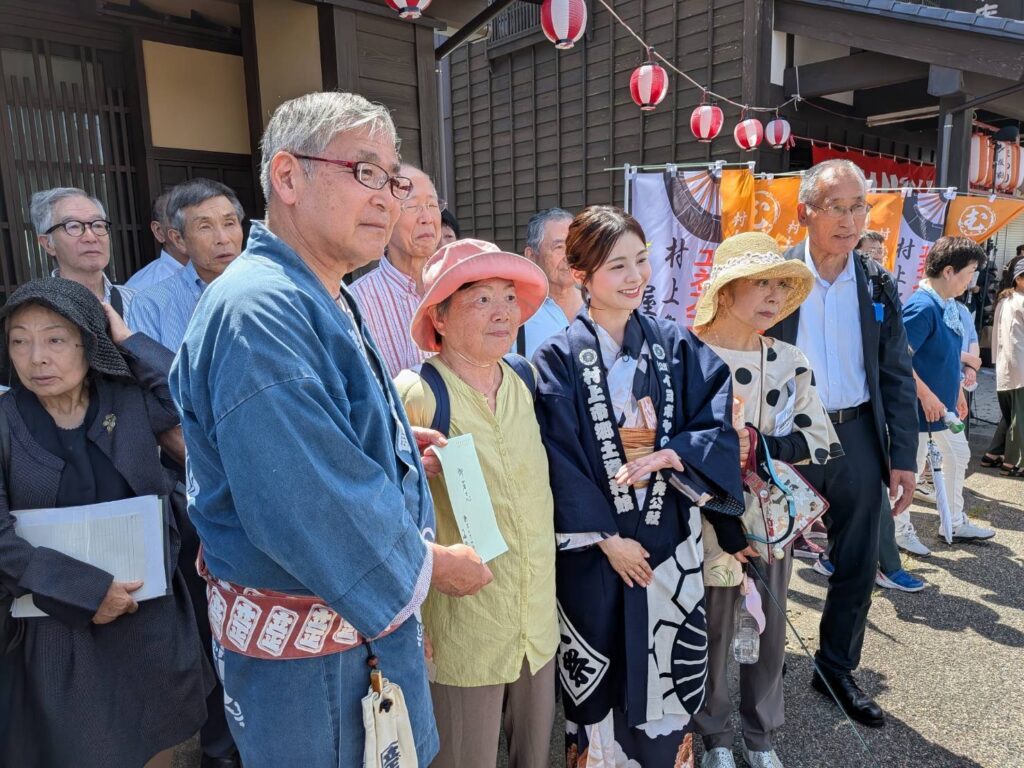
New Boat People Association Coordination and Field Visit at Murakami City Niigata
For GPF Japan, this work forms part of a wider effort to increase public understanding of North Korean human rights, strengthen cooperation across civil society, and create spaces where people with different political and cultural perspectives can find common ground. The July program specifically identified cooperation with North Korean escapees and civil society partners as central to building a broader foundation for One Korea.
That work continued beyond the Niigata visit. Three further meetings with Lee Sora during July focused on sustaining cooperation with North Korean escapees and developing future activities. The program report notes that building sustainable work requires trust and repeated consultation with escapee participants.
This emphasis on relationships matters because remembering history is not only about preserving facts. It is also about creating space for people to speak, listen, and understand experiences that may otherwise remain separated by politics.
The history of the repatriation project carries difficult questions. How did so many people come to believe that North Korea offered a better future? What happened to those who left? What responsibility did governments, organizations, and others involved in the project carry? And what does it mean for families whose separation continued long after the ships left Niigata?
These questions remain relevant to the human rights situation on the Korean Peninsula today.
They also matter to the vision of One Korea.
A peaceful and unified Korea cannot be understood only in terms of borders, institutions, or political arrangements. It must also be understood through the people who have experienced division in deeply personal ways: families separated from one another, people unable to return to their places of birth, escapees carrying memories of lives left behind, and communities whose histories have been shaped by decades of separation.
Remembering the repatriation project therefore does more than preserve a painful chapter of the past. It helps place human dignity and human rights at the center of conversations about the future of the Korean Peninsula. The July field visit to Niigata offered an opportunity to do precisely that. By connecting historical places with the people who continue to carry this history, and by strengthening cooperation with North Korean escapee-led partners, the work moves memory beyond commemoration and towards dialogue.
More than six decades later, remembering these lives can help us imagine a different future for Korea. Join the Global Peace Foundation’s One Korea Global Movement and support the effort to build a free, peaceful and unified Korea grounded in human rights, freedom and shared values.